








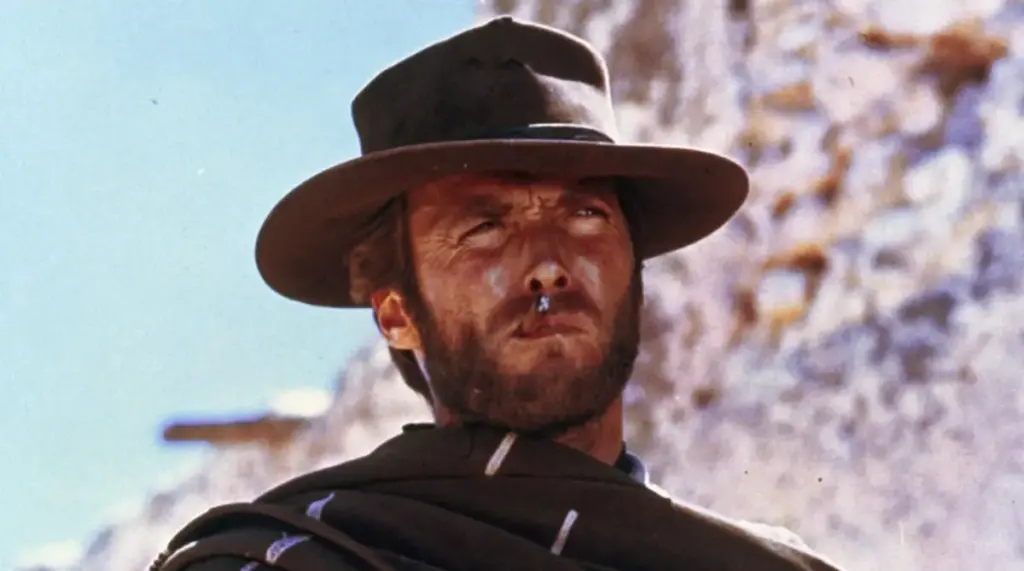
In the pantheon of cinema history, few creative partnerships have left as indelible a mark as the collaboration between director Sergio Leone and actor Clint Eastwood. In 1964, the release of A Fistful of Dollars served as a seismic shift for the Western genre, effectively shattering the established conventions of the era. Prior to this, Westerns were largely defined by clear-cut moral binaries—the white-hatted hero versus the black-hatted villain, operating within a framework of traditional righteousness. Leone’s vision was something entirely different: a gritty, sun-drenched, and cynical landscape where the protagonist was not a beacon of morality, but a pragmatic, opportunistic gunslinger playing two rival gangs against one another for personal gain.
The international success of A Fistful of Dollars achieved three critical milestones for the industry: it signaled that global audiences were hungry for a more complex, morally ambiguous breed of Western; it proved that the American film industry no longer held a monopoly on the mythos of the Old West; and, perhaps most importantly, it established Clint Eastwood as a bona fide, bankable international movie star. Yet, in the shadow of its predecessor and the gargantuan cultural footprint of their eventual third collaboration, 1965’s For a Few Dollars More often finds itself relegated to the status of a "forgotten" sequel. This is a critical oversight, as the film not only expanded upon the foundations laid by its predecessor but also refined the very aesthetic that would define the Spaghetti Western genre.
Building on a Foundation of Complexity
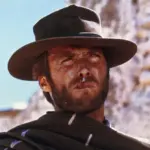
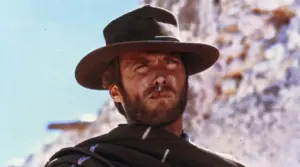
Returning to the role of "The Man with No Name"—a moniker that was largely a marketing invention, given that the character is referred to as "Joe" in the first film and "Manco" in the second—Eastwood reprises his role as a taciturn bounty hunter. In For a Few Dollars More, Manco is tasked with tracking down the ruthless, volatile bank robber El Indio, played with chilling intensity by Gian Maria Volonté. Indio has just been liberated from a high-security prison by his band of thieves, setting the stage for a high-stakes manhunt.
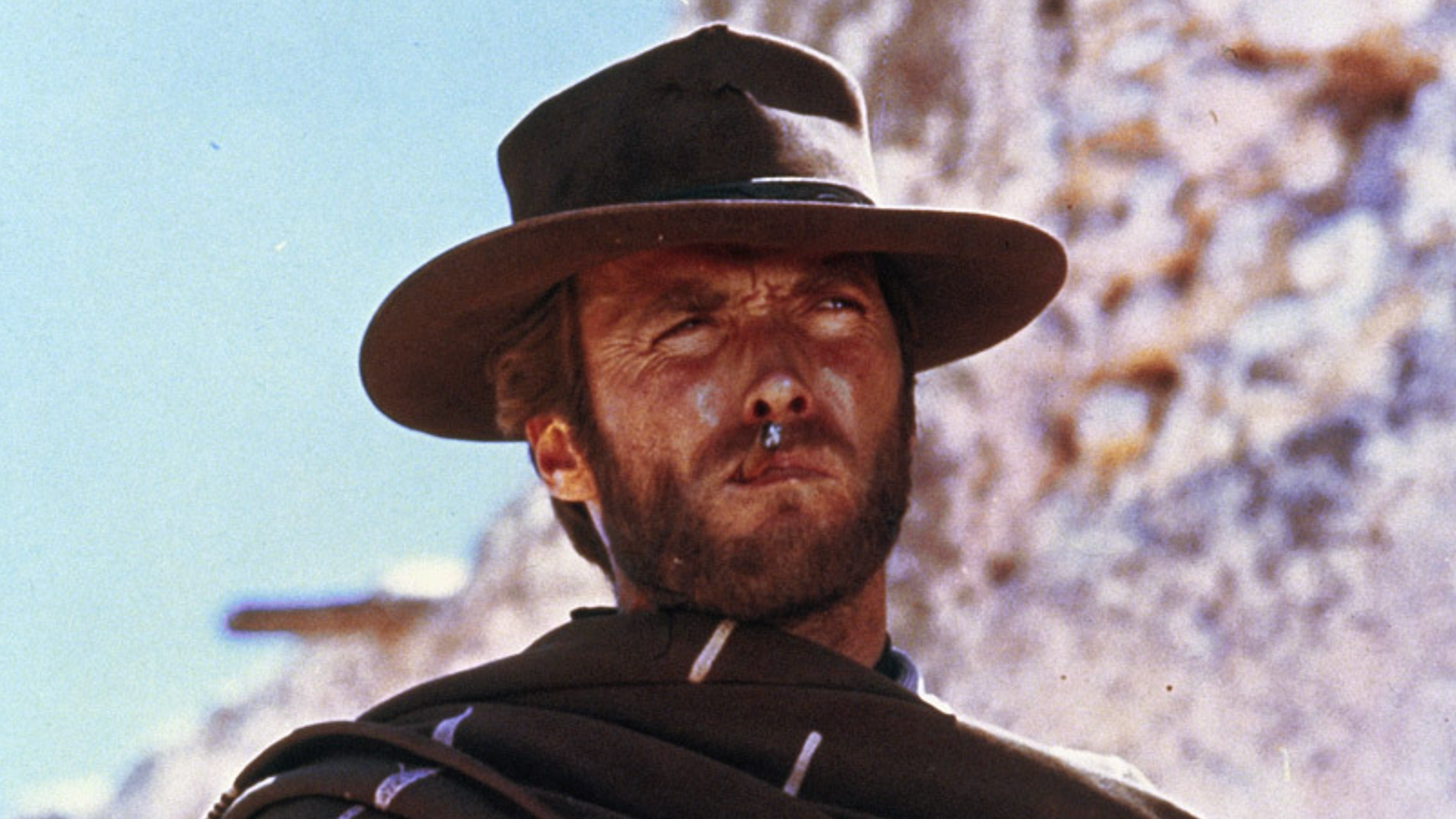
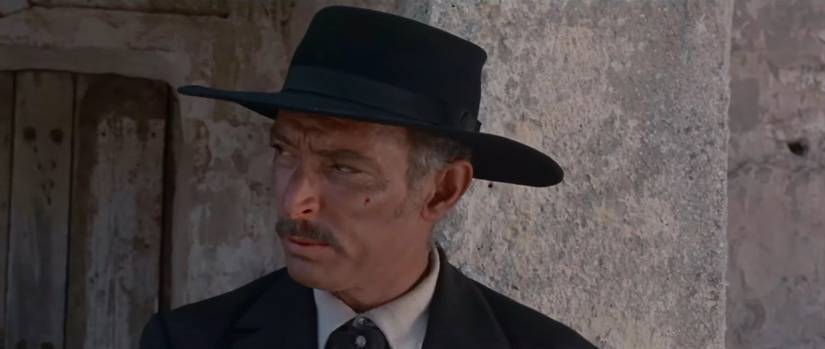
However, Manco is not alone in his pursuit. He is joined by Colonel Douglas Mortimer, a character portrayed with icy, calculated precision by Lee Van Cleef. The contrast between the two men is the engine that drives the film’s narrative. While Manco represents the instinctive, street-smart survivalist, Mortimer brings a cold, analytical, and professional demeanor to the hunt. Despite their initial distrust and their competing professional interests, the two are forced into an uneasy alliance.
Their partnership is one of the most compelling aspects of the film. It avoids the tropes of the "buddy cop" genre, which would later rely heavily on comedic friction, and instead builds a narrative of professional evolution. As they attempt to infiltrate Indio’s gang to collect the bounty, they move from cautious rivals to partners who genuinely respect one another’s tactical prowess. This organic development of character provides a level of emotional depth that was largely absent from the faster-paced, more singular focus of A Fistful of Dollars.
A Villain for the Ages
The depth of characterization is not limited to the protagonists. As the primary antagonist, El Indio is a figure of genuine complexity. Leone and Volonté collaborated to create a villain who was, in many ways, more tortured and unpredictable than the standard cinematic outlaw. Central to his character is a haunting, recurring motif: a pocket watch featuring a woman’s portrait. The object is tied to a traumatic and horrific backstory involving a victim who took her own life while being held by Indio.

The watch is not merely a prop; it serves as a rhythmic device, playing an eerie musical melody that Indio uses to count down the seconds of his duels. This, combined with the character’s heavy reliance on drugs—which leaves him in a perpetual, hazy state of detachment—creates a portrait of a man who is both terrifyingly volatile and deeply broken. While he is unequivocally a monster and a perpetrator of violence, the layers provided by his psychological state prevent him from being a two-dimensional caricature. He is a catalyst for the film’s tension, making the inevitable confrontations feel more visceral and dangerous.
Scale and Production Evolution
The success of A Fistful of Dollars provided the production with a significantly larger budget, jumping from approximately $200,000 to $600,000. This increased capital is visible in every frame of the film. While the first movie was constrained by the limitations of its budget, relying on vast, empty desert landscapes and a singular, small frontier town, For a Few Dollars More demonstrates a clear expansion of scope.
The film introduces the town of El Paso, a location that feels significantly more lived-in, populated, and dangerous than the town of San Miguel from the first film. The production design for the town was so robust and authentic that it remains a functioning tourist attraction in Spain today, where the majority of the filming took place. The increased budget allowed for more expansive action sequences, a larger cast of extras, and a more sophisticated mise-en-scène that helped establish the "Leone style"—a blend of sweeping long shots and extreme, sweat-drenched close-ups that would become the director’s trademark.
The Bridge to Cinematic History
The commercial trajectory of the "Dollars" trilogy is a testament to the growth of the team involved. A Fistful of Dollars grossed roughly $20 million, a success that was eclipsed by the $25 million performance of For a Few Dollars More. Just one year later, the final installment, The Good, the Bad and the Ugly, was produced on a budget of just over $1 million and went on to gross nearly $40 million.
While The Good, the Bad and the Ugly is often cited as the definitive entry in the trilogy—rightfully praised for its epic scale, its iconic score, and its status as a pinnacle of the genre—it is crucial to recognize that it likely would not have achieved that level of perfection without the lessons learned during the production of For a Few Dollars More. The middle film served as the necessary bridge, where the tone, the chemistry, and the technical experimentation were ironed out. It is a work of immense ambition that refined the genre’s language.
For those looking to revisit this era of filmmaking, For a Few Dollars More stands as a masterclass in tension, character evolution, and atmosphere. It is a film that demands to be viewed not just as a sequel, but as a vital piece of cinematic evolution. Currently, the film is available for streaming on MGM Plus, and it remains accessible for rental across various digital platforms, offering a prime opportunity to experience a classic that continues to prove its worth decades after its initial release.