










BREAKING NEWS
Design & UI/UX Research Reveals the Most Reliable Icons for Website Accordions and Why Split Menus Fail Usability Tests 27 seconds ago Tech Education & Careers Learn Model Context Protocol (MCP) Security 1 minute ago Artificial Intelligence OpenAI Unveils GPT-6 Astra, Signaling the Dawn of the AGI Era 8 hours ago Cybersecurity Critical PHP Vulnerabilities Spark Global Security Alert: Millions of Web Servers at Risk 8 hours ago Software Development Security Excellence in Focus: GitHub Spotlights Researcher @r31n for Cybersecurity Awareness Month 8 hours ago Gadgets & Hardware OpenAI Implements "Offline-Only" Training for Frontier Models Following Security Incidents 8 hours ago Startups & Venture Capital From Viral Algorithms to Cold Calls: How Modern Startups Are Solving the Customer Acquisition Puzzle 8 hours ago Mobile Technology Apple Seeks Developer Feedback to Improve Safari Experience on iPhone Duo Outer Display 8 hours ago Gaming & VR The Monster in the Camera: How ‘Cloverfield’ Redefined the Kaiju Genre 8 hours ago Open Source Opensource.com Prepares for a New Chapter as the Community Unites Behind an Upcoming Project 8 hours ago Design & UI/UX Research Reveals the Most Reliable Icons for Website Accordions and Why Split Menus Fail Usability Tests 27 seconds ago Tech Education & Careers Learn Model Context Protocol (MCP) Security 1 minute ago Artificial Intelligence OpenAI Unveils GPT-6 Astra, Signaling the Dawn of the AGI Era 8 hours ago Cybersecurity Critical PHP Vulnerabilities Spark Global Security Alert: Millions of Web Servers at Risk 8 hours ago Software Development Security Excellence in Focus: GitHub Spotlights Researcher @r31n for Cybersecurity Awareness Month 8 hours ago Gadgets & Hardware OpenAI Implements "Offline-Only" Training for Frontier Models Following Security Incidents 8 hours ago Startups & Venture Capital From Viral Algorithms to Cold Calls: How Modern Startups Are Solving the Customer Acquisition Puzzle 8 hours ago Mobile Technology Apple Seeks Developer Feedback to Improve Safari Experience on iPhone Duo Outer Display 8 hours ago Gaming & VR The Monster in the Camera: How ‘Cloverfield’ Redefined the Kaiju Genre 8 hours ago Open Source Opensource.com Prepares for a New Chapter as the Community Unites Behind an Upcoming Project 8 hours ago
Stories
Research Reveals the Most Reliable Icons for Website Accordions and Why Split Menus Fail Usability Tests
Learn Model Context Protocol (MCP) Security
OpenAI Unveils GPT-6 Astra, Signaling the Dawn of the AGI Era
Critical PHP Vulnerabilities Spark Global Security Alert: Millions of Web Servers at Risk
Security Excellence in Focus: GitHub Spotlights Researcher @r31n for Cybersecurity Awareness Month
OpenAI Implements "Offline-Only" Training for Frontier Models Following Security Incidents
From Viral Algorithms to Cold Calls: How Modern Startups Are Solving the Customer Acquisition Puzzle
Apple Seeks Developer Feedback to Improve Safari Experience on iPhone Duo Outer Display
The Monster in the Camera: How ‘Cloverfield’ Redefined the Kaiju Genre
Opensource.com Prepares for a New Chapter as the Community Unites Behind an Upcoming Project
Decoding "AI Experience": What Employers Actually Mean When They Hire Data Analysts
EverBlog FridgeCal Smart Display Gets a Major $160 Discount, Streamlining Family Organization and Meal Planning

Category: Design & UI/UX

109 posts

Standard

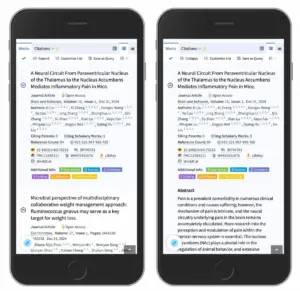
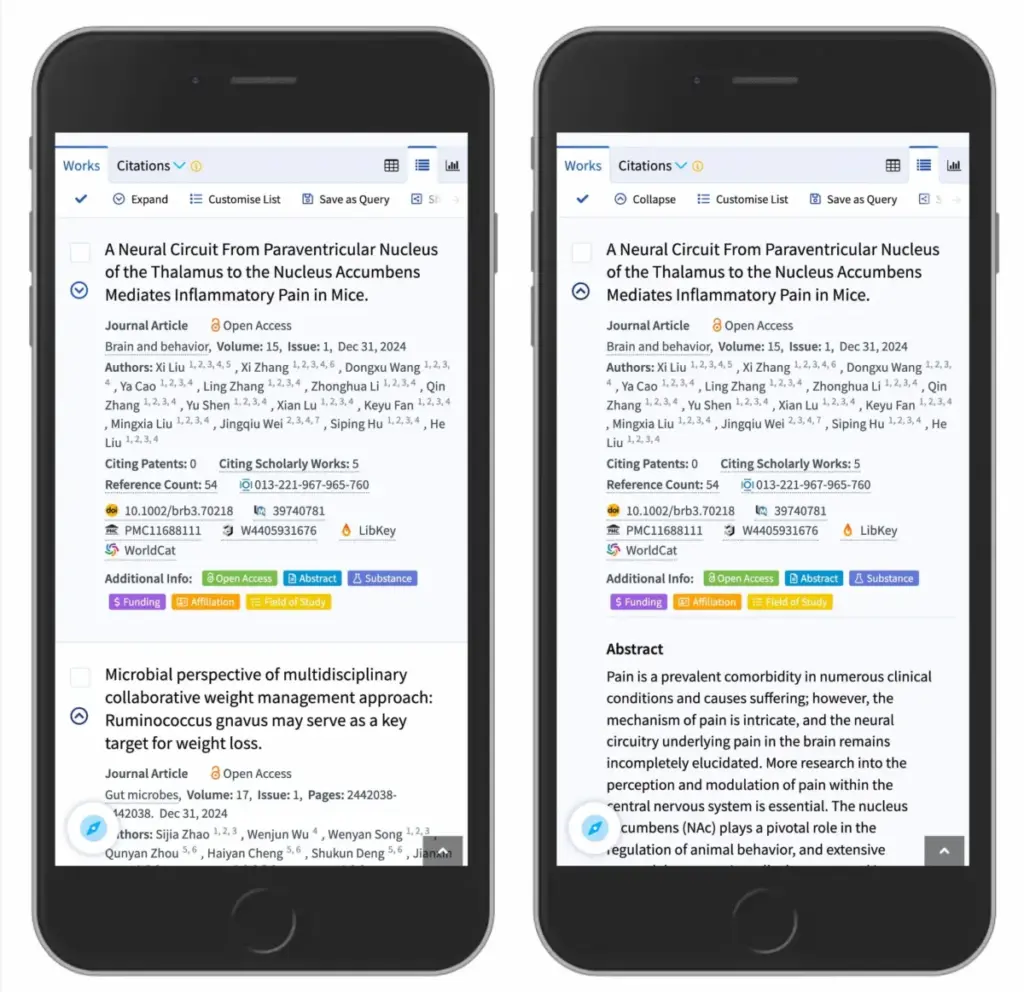
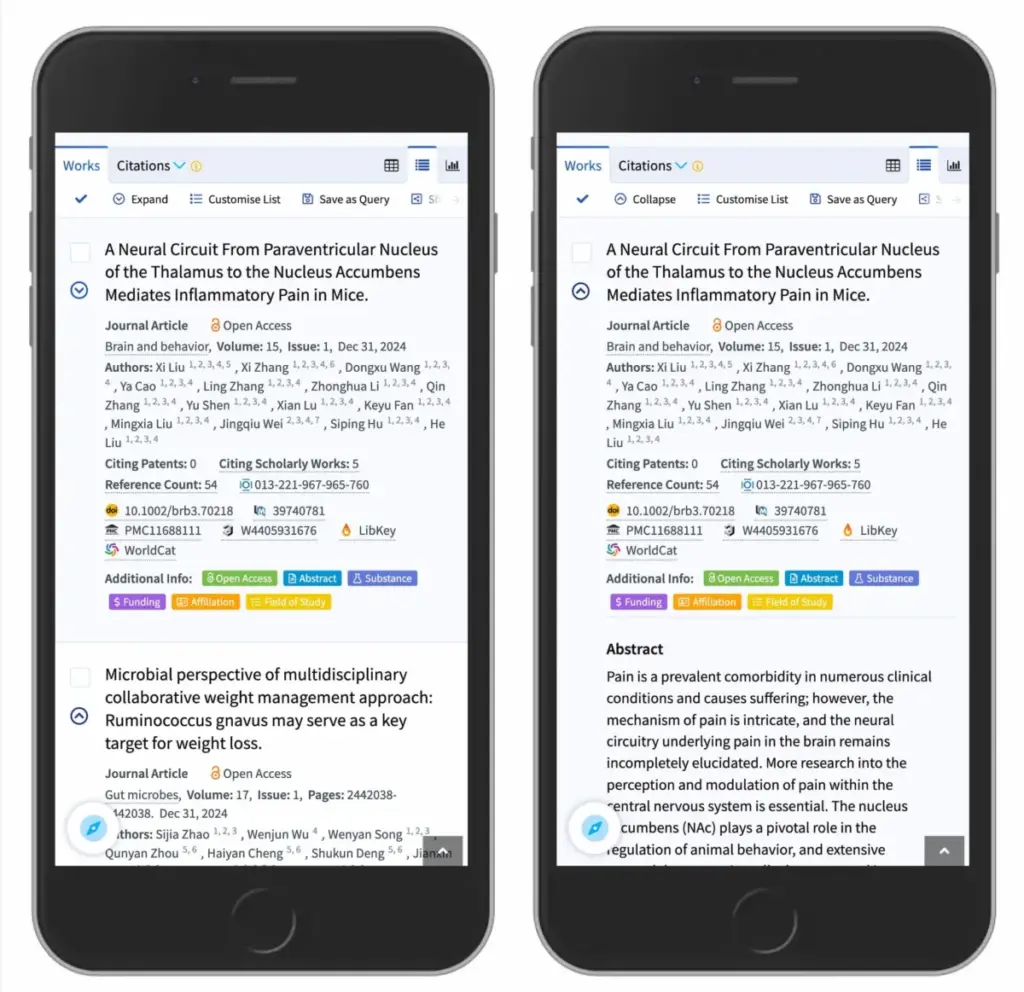
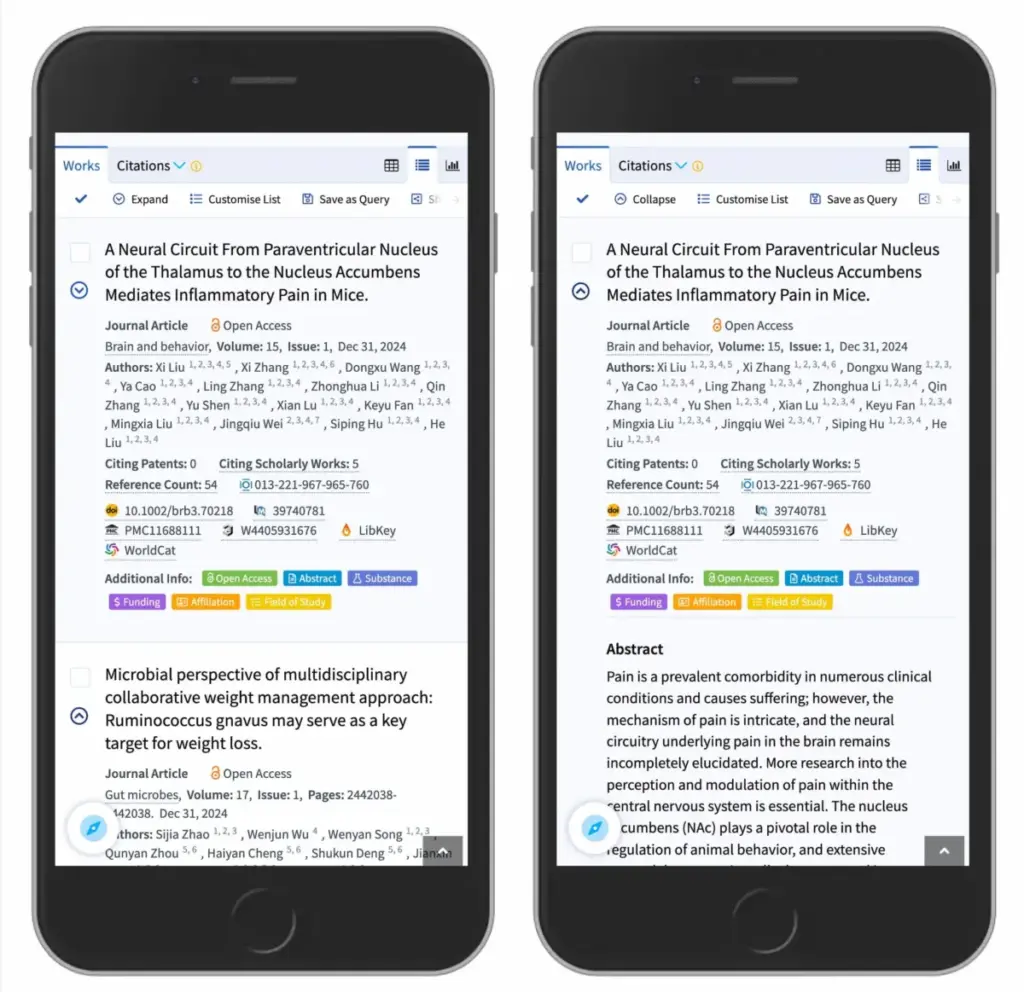
Research Reveals the Most Reliable Icons for Website Accordions and Why Split Menus Fail Usability Tests

When designing user interfaces for the web, few components are as ubiquitous—or as frequently mishandled—as the accordion. Used widely to save screen space by expanding and collapsing content sections, accordions seem simple enough. Yet, a closer examination of visual design patterns reveals that minor choices regarding icons, arrows, and target hit areas can profoundly impact…
Read more
Standard

Choosing the Right Accordion Icons: What UX Research Reveals About Usability and User Expectations

When designing digital user interfaces, even the smallest visual details can carry profound weight. Among the most common UI components on the modern web is the accordion—a vertically stacked list of headers that users can click to expand or collapse and reveal associated content. Yet, despite their widespread implementation across e-commerce platforms, documentation sites, and…

Read more
Standard

The Anatomy of UI Expansion: Why the Caret Remains the Safest Choice for Accordions

When it comes to digital design and user experience, even the smallest visual elements can carry immense weight in determining whether a user successfully navigates a website or encounters friction. Recent research from the Nielsen Norman Group (NN/g) provides a closer look at accordion icons, examining why certain symbols succeed while others cause confusion. The…

Read more
Standard

Native CSS random() Function Arrives in Browsers, Bringing Playful Imperfection to Web Design

Design systems have long thrived on strict consistency, grid alignment, and rigorous control. However, the arrival of the native CSS random() function—now available in Safari and rolling out in Chrome 156, with encouraging signals from Mozilla for Firefox—is prompting web developers and design engineers to reconsider the role of calculated randomness in modern digital interfaces.…

Read more
Standard

Bringing Controlled Chaos to the Web: How the New Native CSS random() Function Reintroduces Human Imperfection

Design systems thrive on consistency, grid alignment, and rigorous tokens, leaving many to wonder where true randomness could possibly fit into modern web development. However, the arrival of the native CSS random() function in Safari and its rollout in Chrome 156 is prompting web developers and design engineers to reconsider how a touch of procedural…

Read more
Standard

Bringing Controlled Chaos to the Web: How the New Native CSS random() Function Introduces Playful Imperfection

Design systems thrive on consistency, grid alignments, and predictable tokens, but a new native capability is challenging web developers to rethink how a little bit of controlled chaos fits into modern stylesheets. With the arrival of the native CSS random() function—already supported in Safari and rolling out in Chrome 156, alongside positive signals from Mozilla…

Read more
Standard

Native CSS random() Function Arrives in Browsers, Bringing Controlled Imperfection to Web Design

Design systems have long thrived on strict consistency, grid alignment, and mathematical predictability. However, the introduction of the native CSS random() function—recently shipped in Safari and rolling out in Chrome 156 with positive support signals from Mozilla for Firefox—is prompting web developers and design engineers to reconsider the role of controlled randomness in modern stylesheets.…

Read more
Standard

Native CSS random() Function Arrives in Browsers, Bringing Playful Imperfection to Web Design

Design systems have long thrived on strict consistency, grid alignment, and predictability. However, the arrival of the native CSS random() function in Safari and its rollout in Chrome 156 is prompting web developers and design engineers to reconsider how a touch of controlled chaos might breathe new life into digital interfaces. Without relying on complex…

Read more

You May Have Missed

Catch up on interesting stories you might have overlooked