










The long-suffering, live-action/animated hybrid film Coyote vs. ACME is officially making its way to digital platforms, marking the latest milestone in one of Hollywood’s most unconventional comeback stories. After being infamously scrapped by Warner Bros. Discovery in 2023 as a tax write-off, the film has defied the odds to become a theatrical success and is now set for a wide digital release. Fans who missed the film during its recent run in cinemas will be able to watch it from home starting September 29, 2026, at midnight EDT.
The film will be available for purchase on major platforms including Amazon Prime Video and Apple TV, with a retail price of $24.99. This move follows a growing industry trend in which studios offer home viewing options for films that are still currently playing in theaters, allowing for a broader reach shortly after a theatrical debut.
A Miraculous Journey to the Screen
The release of Coyote vs. ACME represents a rare victory for a film that was effectively declared dead by its original studio. In late 2023, Warner Bros. Discovery made the controversial decision to shelve the project, which was largely completed, in favor of claiming a tax write-off. The move sent shockwaves through the industry, drawing sharp criticism from filmmakers, audiences, and industry analysts alike. The outcry was so significant that it forced the studio to reverse its decision, allowing the production team to shop the film to other distributors.

In March 2025, Ketchup Entertainment secured the rights to the project for $50 million, ultimately bringing the film to the big screen on August 28, 2026. The result has been a significant vindication for the creators: Coyote vs. ACME has not only earned widespread critical acclaim for its humor and heart, but it has also proven to be a viable commercial product, grossing $80 million at the global box office.
This financial performance serves as a powerful rebuttal to the initial decision to bury the film. By turning a project once considered a "loss" into a profitable venture, the film’s journey has become a case study in the value of artistic persistence and the dangers of treating creative works strictly as accounting entries.
What is ‘Coyote vs. ACME’ About?
At its core, Coyote vs. ACME revitalizes the classic Looney Tunes rivalry with a clever, modern legal twist. The story follows a weary, fed-up Wile E. Coyote who, after decades of humiliating defeats and catastrophic failures at the hands of the Road Runner, reaches his breaking point. Realizing that his constant misfortune is the result of the consistently unreliable and dangerous products sold by the ACME Corporation, the Coyote decides to take the conglomerate to court.
The narrative shifts into a legal comedy, with the Coyote enlisting the services of a down-on-his-luck personal injury lawyer named Kevin Avery. Together, they take on the might of the ACME Corporation, challenging the company for its history of selling defective goods.
While the premise sounds like a classic cartoon setup, critics have highlighted the film’s surprisingly sharp script. Many reviews have pointed out that the film functions as a compelling legal drama, featuring biting commentary on corporate overreach, consumer rights, and the nature of the "little guy" standing up to massive, faceless institutions. In a meta-layer that has not been lost on audiences, the film’s themes of fighting back against corporate entities mirror the real-life struggle the film faced when it was initially shelved by its original parent company.
The Team Behind the Comeback
The creative vision for Coyote vs. ACME was led by director Dave Green, who managed to balance the manic energy of classic animation with the grounded, emotional beats required for a live-action legal narrative. The screenplay was penned by Samy Burch, with the story developed by Burch alongside heavyweights James Gunn and Jeremy Slater.
The film boasts a strong cast that grounds its absurd premise in believable human performances. Will Forte leads the film as Kevin Avery, the attorney tasked with representing the world’s most famous cartoon client. He is joined by Lana Condor, John Cena, and Luis Guzmán, who each add their own flair to the film’s eccentric world.
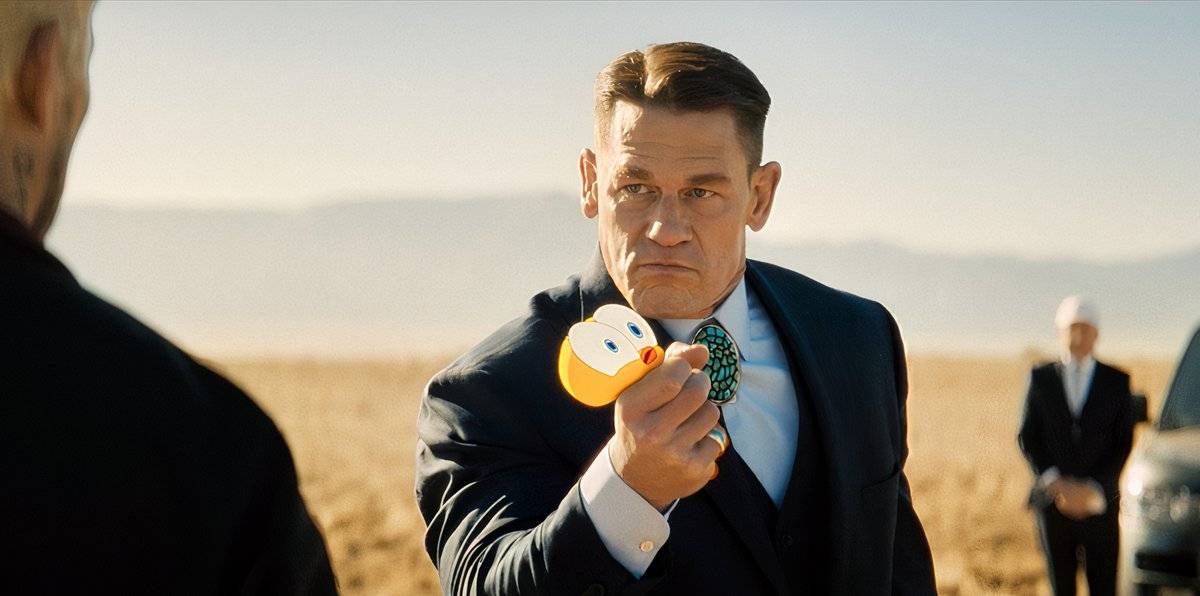
John Cena’s involvement, in particular, has been a highlight for audiences, as he leans into the comedic and slightly antagonistic tone required to play a character dealing with the legal fallout of the ACME Corporation. The film stands as the most recent entry in the growing library of modern Looney Tunes feature films, following 2025’s The Day the Earth Blew Up and the 2021 live-action/animated hybrid Space Jam: A New Legacy.
Shifting Industry Standards
The trajectory of Coyote vs. ACME serves as a reflection of the current landscape of the film industry, where the lines between theatrical release windows and home media are increasingly blurred. In previous decades, a film would have to exhaust its theatrical run entirely before transitioning to home video. Today, the hybrid model—where digital availability often overlaps with theatrical exhibition—has become a standard practice for many independent and mid-budget distributors.
For the production team and those who advocated for the film’s release, the digital launch on September 29 marks the final step in a long, winding road to finding its audience. The transition to digital will likely introduce the film to a wider demographic of viewers who may not have had access to local theaters during its initial run, potentially extending the conversation around the film’s themes and its unusual history.
As it prepares for its digital premiere, Coyote vs. ACME stands not just as a piece of entertainment, but as a symbol of the resilience of creative projects in an era of corporate consolidation. Whether the film will serve as a template for future projects in similar situations remains to be seen, but for now, the story of the Coyote finally getting his day in court—and in homes everywhere—is a rare, happy ending in the modern cinematic age.