










Apple’s recent hardware event has introduced a wave of innovation across its smart home and entertainment ecosystems, leaving tech analysts and consumers alike to evaluate how the company’s latest product lineup will integrate into daily life. Leading consumer technology reporter and Editor at Large Bridget Carey recently broke down the biggest announcements from the event, offering a comprehensive look at what Apple has in store for living rooms, kitchen counters, and home entertainment setups. From the much-discussed HomeView smart home hub to updates for the Apple TV 4K and the HomePod Mini 2, Apple is making a concerted push to simplify connected living and remove longstanding barriers to smart home adoption.
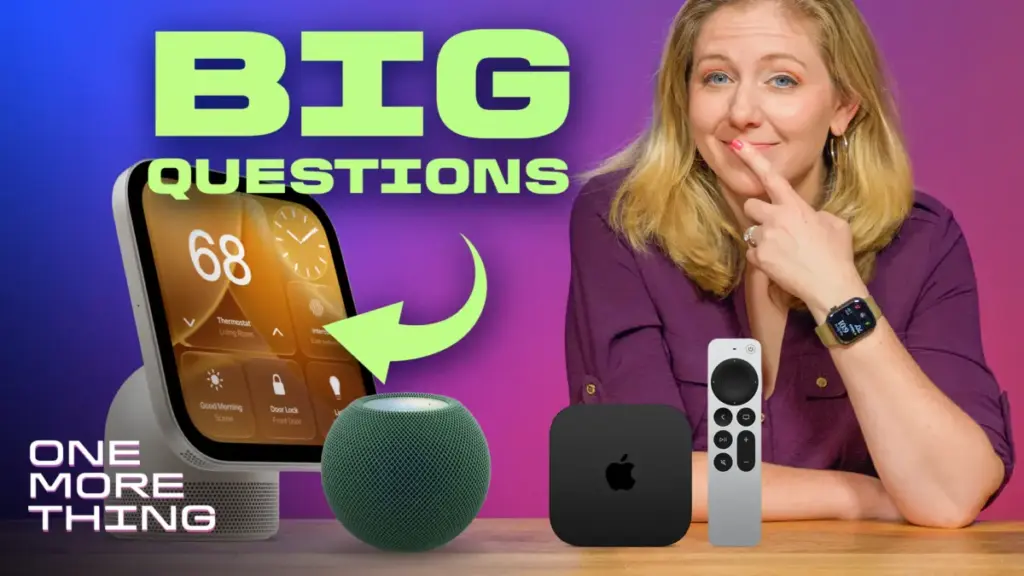
At the center of the conversation is the Apple HomeView, a device that successfully resonated with Carey during initial demonstrations, though she notes that the ultimate test will arrive when real families and children begin interacting with it in everyday home environments. Apple has positioned the HomeView as a seamless smart home experience, trying hard to convince consumers that a centralized hub can finally bridge the gap between fragmented connected devices. According to industry analysis, the HomeView manages to smash some of the biggest historical barriers to a smarter home through an intuitive blend of hardware and software design.
The HomeView experience incorporates several distinct features designed for household utility. Among the visual touches highlighted in the presentation is the integration of popular characters like Snoopy, adding a playful aesthetic to the interface. More functionally, the device includes a built-in FaceTime camera, making video communication straightforward from a countertop or wall-mounted location. Multi-user support ensures that individual household members can access personalized settings, schedules, and controls tailored to their profiles.


Hardware placement is another major consideration for the HomeView, with discussions focusing on how a countertop device will physically fit into various interior layouts, as well as the alternative option for a wall-mounted installation. Running on a dedicated operating system with a suite of tailored apps, the HomeView is designed to act as the central nervous system for residential automation, seamlessly coordinating with a wide array of other smart home devices. Living with the HomeView day-to-day will ultimately determine how well these software and hardware elements cooperate in real-world scenarios.
Beyond the HomeView, Apple also used the event to update its popular entertainment and audio hardware. The fourth-generation Apple TV 4K streaming box received significant attention during the breakdown, capturing interest regarding its pricing, hardware updates, and whether current owners should consider an upgrade. The refreshed streaming box comes paired with a new Apple TV Siri Remote, refining the user navigation experience. Furthermore, Apple showcased advanced audio capabilities, demonstrating how users can achieve immersive surround sound by pairing the Apple TV 4K with four HomePods.
Audio enthusiasts also received news regarding the audio lineup itself, specifically the introduction of the new HomePod Mini 2. Apple announced that advanced Siri artificial intelligence capabilities are coming to the HomePods, promising smarter, more responsive voice interactions across the ecosystem. These audio improvements align with Apple’s broader strategy of making its voice assistant more conversational and context-aware throughout the home.
As the fall product cycle continues to unfold, Apple’s hardware announcements show no signs of slowing down. Industry watchers are already looking ahead to what else Apple has planned for the remainder of October, including the upcoming retail launch of the iPhone Duo, which is scheduled to hit store shelves on October 23. With a robust lineup of smart home hubs, streaming devices, audio hardware, and mobile technology, Apple is setting the stage for a major hardware season aimed at deepening its footprint in consumer households.