






In a significant escalation against the digital infrastructure supporting Russia’s wartime economy, the United Kingdom has officially imposed stringent economic sanctions on Cryptomus, a notorious cryptocurrency platform that has long served as a primary conduit for illicit financial flows. The move, announced on October 8, aims to dismantle a sophisticated network of payment processors that experts say are instrumental in facilitating ransomware attacks, narcotics trafficking, darknet market operations, and various forms of large-scale cybercrime, all while helping Russian entities evade international financial restrictions.
The U.K. sanctions package represents a decisive shift in how Western authorities are targeting the "chameleonic" nature of modern illicit finance. By freezing any assets linked to Cryptomus held within British banks and strictly prohibiting any British individual or corporate entity from engaging in business with the platform, the U.K. government is effectively cutting off a critical artery of the Russian shadow financial system. The sanctions do not stop with Cryptomus alone; the government also targeted several other associated virtual payment platforms, including VexPay, TokenSpot, and the Tsunami Payments service, all of which have been identified as cogs in the same machine.
A History of Evasion and Rebranding
Cryptomus, which has operated under a variety of aliases including Certa Payments and Xeltox Enterprises, has demonstrated a remarkable ability to reinvent itself in the face of regulatory scrutiny. Since its emergence in 2022, the platform has maintained a consistent pattern: when one entity comes under fire, it simply pivots to a new name or creates a parallel, "clean" service while continuing its underlying operations.
This behavior reached a breaking point in 2025 when Canadian regulators levied a record-breaking CAD $176 million fine against the platform for flagrant anti-money laundering (AML) violations. Rather than succumbing to the financial pressure, the platform’s operators responded by launching "Heleket." This new brand was positioned as a parallel service specifically designed to continue offering the no-KYC (Know Your Customer) payment processing that had made the original Cryptomus platform so attractive to cybercriminals. Evidence gathered by investigators, including support bots on Telegram, suggests that despite these tactical rebrands, the underlying infrastructure remained fundamentally identical.
The effectiveness of such regulatory fines has been a point of contention among industry experts. Richard Sanders, a dedicated blockchain analyst who has spent months meticulously mapping the payment infrastructure of Cryptomus, argues that the U.K.’s approach is far more potent than the previous Canadian attempt.

"A fine doesn’t stop a cryptocurrency payment processor from processing payments," Sanders noted in a recent assessment on LinkedIn. "Sanctions kill the operation. The distinction matters." Sanders, who has gone to the lengths of transacting with the platform’s customers to map its inner workings, emphasizes that the U.K. action is a milestone in international cooperation. It marks the first known instance of a "Five Eyes" nation—comprising Australia, Canada, New Zealand, the U.K., and the U.S.—placing sanctions on a cryptocurrency operation incorporated within another jurisdiction of the same intelligence-sharing alliance.
The Scale of the Illicit Network
The sheer volume of transactions handled by Cryptomus is staggering. According to findings published by the blockchain intelligence firm TRM Labs in April 2026, the platform had processed more than $7 billion in transactions since its inception in 2022. The nature of these funds is equally alarming; TRM Labs identified that the platform was a preferred gateway for vendors of child sexual abuse material, global human trafficking rings, and sophisticated terrorist financing networks.
The broader impact on the global financial ecosystem was further underscored by Chainalysis, which monitors the blockchain to track the infrastructure supporting the Russian wartime economy. In an October 8 blog post, Chainalysis revealed that Cryptomus and its successor, Heleket, had evolved into major payment hubs for illicit activity. The data is striking: at their peak in late 2025, these services were receiving more illicit funds across tracked categories than the specialized mixers often used by bad actors to obfuscate their tracks. In a single month during that period, the number of illicit counterparties using these services surged to more than 900.
This surge occurred even as the platform attempted to project an image of legitimacy. When Cryptomus began to feel the heat from international regulators, it introduced "Know Your Customer" protocols, which caused its transaction volume to briefly dip. However, the launch of Heleket allowed the operators to maintain a "no-questions-asked" environment for their most lucrative—and criminal—clients.
The Illusion of Legitimacy
One of the most persistent questions surrounding the platform has been the source of its operational authority. How does a company that facilitates billions in illegal transactions maintain the facade of a regulated financial institution? The answer, according to an extensive investigation by KrebsOnSecurity in late 2024, lies in a bizarre network of "fake" regulatory bodies.

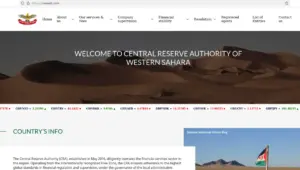
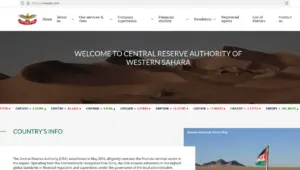
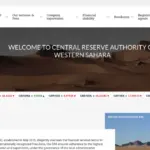
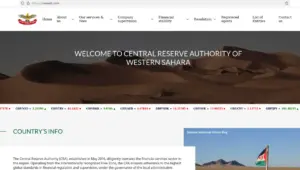
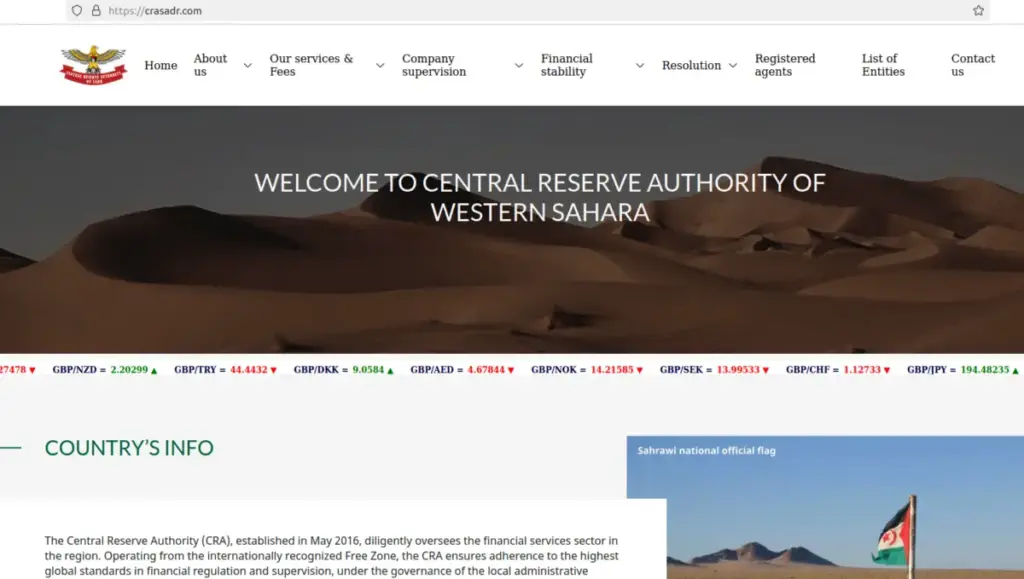
The investigation uncovered that the sole shareholder of Certa Payments—the parent company of Cryptomus—was a 25-year-old Ukrainian woman. Her professional portfolio included the WS Management and Advisory Corporation, an entity that claimed to be the exclusive regulatory authority for cryptocurrency, foreign exchange, and online gaming businesses in the Western Sahara.
Western Sahara, a disputed territory in northwest Africa, does not have a widely recognized sovereign government capable of overseeing international financial licensing. Yet, the entity’s website, crasadr.com, offered a professional-looking interface for applicants to register businesses, set up bank accounts, and obtain gaming licenses. The infrastructure behind this "regulator" was equally suspicious; records showed that Certa Payments’ own website shared a server with over a dozen other domains, including one dedicated to the "Central Reserve Authority of the Western Sahara." This web of shell companies and fraudulent regulatory bodies allowed the platform to operate with a veneer of legality that was sufficient to fool some partners, but ultimately failed to deceive the sophisticated blockchain analysis tools now employed by law enforcement.
A Turning Point in Enforcement
The immediate effect of the U.K. sanctions was visible within hours. By October 8, users of the Cryptomus support bot on Telegram were met with notifications that the platform was suddenly unable to process transactions. This breakdown in service suggests that the platform’s reliance on traditional financial rails—and its vulnerability to Western regulatory pressure—is significant.
For the international intelligence community, the downfall of Cryptomus is a case study in how illicit actors attempt to exploit the gaps between international jurisdictions. By setting up shop in one "Five Eyes" country and using fake regulatory bodies from unrecognized regions to oversee operations, they hoped to remain untouchable.
The U.K. government’s decision to pierce this veil of complexity sends a clear message to the cryptocurrency industry: the era of hiding behind corporate rebrands and shell-company regulators is ending. As investigators continue to unravel the connections between these platforms and the Russian state, the focus remains on the broader ecosystem of "chameleonic" services that have sustained criminal activity for the better part of the decade. With the U.K. leading the way, the path for these services to move money in and out of the global economy is narrowing, potentially forcing a broader reckoning for those who have profited from the intersection of cybercrime and geopolitical instability.