






If you are a Nest smart home user, a massive shift is on the horizon that will permanently alter how you manage, monitor, and interact with your connected devices. Google has officially confirmed that both the legacy Nest app and traditional Google Assistant are being permanently retired, with current users losing access to both services throughout 2027.
The sweeping transition marks a definitive milestone in Google’s long-term strategy to unify its sprawling ecosystem of smart home hardware, mobile software, and artificial intelligence into a single, cohesive interface. According to details shared directly by Google, all legacy Nest hardware will officially lose support within the standalone Nest app on Jan. 25, 2027, as support shifts exclusively to the Google Home platform. Later that same year, on Aug. 2, Google Assistant will be removed from home speakers and smart displays, with voice controls moving entirely to the advanced Gemini for Home assistant.

While major technological migrations often cause friction for consumers, Google has emphasized that every currently supported device will transition over to the updated experiences. The monumental consolidation aims to streamline user experiences, curb the fragmentation that has long plagued the smart home sector, and deliver deeper integration across mobile apps, web browsers, smartwatches, and television interfaces.
What’s Changing as Nest Moves to Google Home
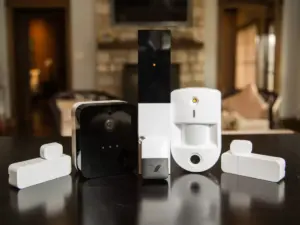
For years, users running mixed ecosystems of Google and Nest hardware have had to jump between applications to manage different parts of their homes. Under the incoming architecture, Google Home will serve as the single hub supporting all legacy and modern Nest devices. This encompasses everything from Nest Thermostats and indoor or outdoor security cameras to video doorbells, smoke and carbon monoxide detectors, and connected smart locks.

One of the primary friction points in previous smart home platform migrations has been the tedious process of recreating custom routines, schedules, and device preferences. Google has indicated that existing schedules and settings should transfer over automatically during the transition. Furthermore, once integrated into the Google Home ecosystem, these devices will be able to effortlessly pair with any Works with Google Home and Matter-compatible smart home accessories, alongside Google Home speakers, smart displays, and TV streaming devices, all managed from within the same application.
The architectural shift also expands accessibility well beyond the confines of a mobile smartphone interface. Users will soon be able to access and manage their Nest devices across a broad array of platforms, including iOS and Android widgets, the Android Home Panel, compatible smart displays, smart speakers, and the dedicated Google Home web portal. This multi-surface availability means homeowners will be able to pull up live camera feeds, tweak household temperatures, or secure front door locks straight from a living room television or a smartwatch on their wrist.

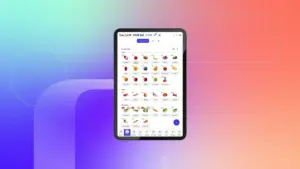
Google notes that within the revamped Google Home app, devices will automatically populate in the designated Favorites tab, allowing for faster loading of camera feeds and instantaneous access to the most frequently used controls the moment the application is opened. Beyond convenience, the consolidation is heavily tied to security and privacy enhancements. By bringing older Nest devices under the modern Google Home umbrella, users will benefit from updated security protections, comprehensive cyber defenses, robust Google Account security configurations, enhanced privacy controls, and proactive threat protections. These digital safeguards have become increasingly critical as technological infrastructures across industries face heightened digital threats and service disruptions.
Nevertheless, users must take action. To maintain remote control capabilities and continue receiving instant notifications from Nest hardware, households will be required to transition entirely to the Google Home mobile application or access their systems via the web browser at home.google.com.

The Evolution from Google Assistant to Gemini for Home
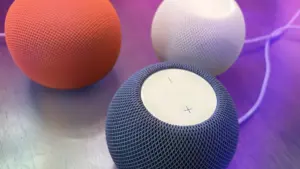
The phasing out of traditional voice architectures represents another massive component of Google’s sweeping 2027 roadmap. On Aug. 2, 2027, the Gemini for Home voice assistant will completely replace Google Assistant across all connected speakers and smart displays.
The pivot to Gemini is a natural progression for users familiar with the limitations of legacy voice systems. Traditional Google Assistant functions largely as an older, command-oriented voice assistant that often struggles with contextual follow-up questions, multi-part inquiries, and nuanced natural-language processing. By contrast, Gemini is engineered to comprehend conversational speech patterns natively, allowing users to speak in a relaxed, natural tone rather than barking rigid commands. This underlying intelligence enables the system to maintain conversational context, remember multiple interactions seamlessly, and provide accurate answers to much more complex queries.

Preparing Your Smart Home for the Transition
Preparing for the retirement of the Nest app and Google Assistant requires some proactive planning, though Google has established resources—including a dedicated Nest App Transition Support Hub—to guide users through the necessary steps.
For the vast majority of consumers, the transition will be handled automatically. Google has confirmed that Nest hardware, along with associated cameras and historical video footage, will automatically migrate from the Nest app to the Google Home app beginning Jan. 25, 2027. Similarly, older Nest Aware first-generation subscriptions are slated to automatically transition into Google Home Premium coverage to ensure that home security monitoring continues without interruption. Google plans to distribute targeted emails closer to the transfer date detailing individual subscription information and adjustments.

However, certain data types will require manual intervention before the cutoff dates arrive. Specifically, manually created custom video clips saved on the legacy home.nest.com portal will not automatically transfer over to the Google Home app alongside standard video history. Users who wish to preserve these custom clips must visit the legacy portal prior to Jan. 25, 2027, and utilize the download tools to back up any media they want to retain. Additionally, users must complete the broader migration of their legacy Nest accounts to standard Google accounts before a final data deletion deadline arrives on March 25, 2027.
Meanwhile, the rollout of Gemini for Home is already well underway, with availability expanding across multiple countries, regions, and languages. Eligible users in supported territories can begin upgrading their systems ahead of the final 2027 deadline. On mobile devices, the upgrade can be initiated by opening the latest version of the Google Home app, navigating to Home Settings via the user profile icon, and selecting the setup option under the Gemini for Home banner. Desktop and web users can accomplish the same configuration by visiting the dedicated management portal at home.google.com/gemini.