Google has officially set the stage for its next major expansion in the wearable technology market, confirming through a series of social media posts that a new fitness tracker—dubbed the "Fitbit Edge"—is slated for a formal unveiling on October 12, 2026. The announcement, which appeared across Google Health’s official Instagram and X (formerly Twitter) accounts, puts an end to weeks of mounting speculation regarding the tech giant’s plans for its fitness hardware portfolio.
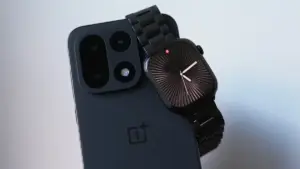
For months, industry watchers and tech enthusiasts have been tracking the trail of breadcrumbs leading to this moment. The device, which had previously appeared in obscure glimpses within Google’s marketing materials for the Pixel 11, is positioned to fill a specific void in the company’s current lineup. By bridging the gap between the ultra-minimalist, screenless Fitbit Air and the sophisticated, feature-rich Pixel Watch 5, the Fitbit Edge is shaping up to be the middle-ground solution that many Google users have been waiting for.
From Leaks to Official Confirmation
The transition from rumor to reality began in earnest back in August, when sharp-eyed observers at 9to5Google first spotted a mysterious, unnamed fitness tracker tucked into promotional imagery for the Pixel 11. At the time, the device lacked a formal identity, but its sleek design and form factor were enough to trigger a wave of investigative reporting from various tech outlets.

Earlier this week, the narrative shifted from speculation to concrete detail. Android Headlines published a series of images that appeared to be official marketing assets for the "Fitbit Edge," complete with insights into its interface, integrated applications, and health-tracking capabilities. These leaks were quickly followed by a comprehensive report from the French magazine Dealabs, which not only corroborated the branding and design language but also provided the most detailed look yet at the device’s technical specifications and pricing strategy.
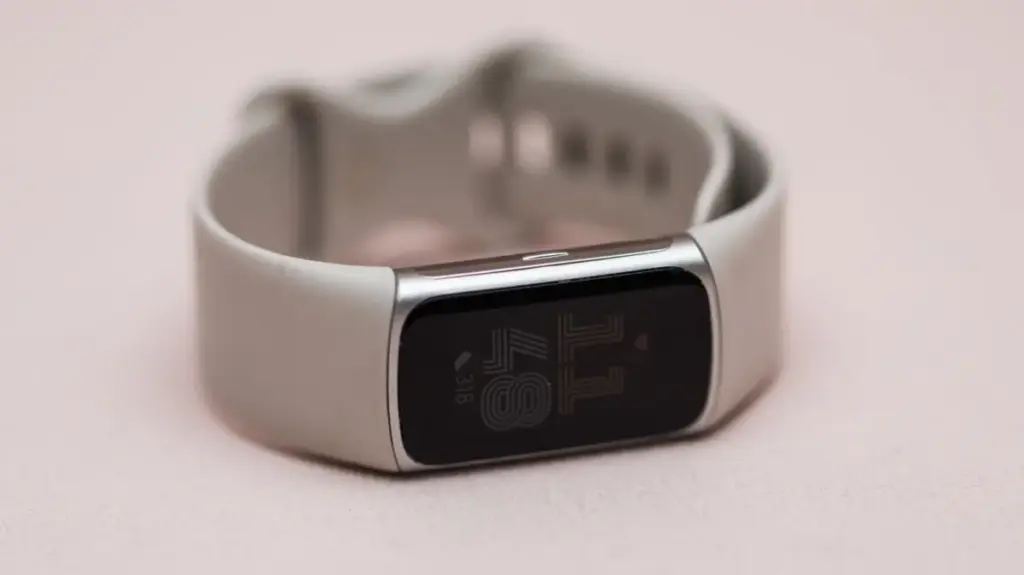
The official confirmation from Google arrived on October 9, 2026, via a brief but pointed teaser. A high-resolution image showcasing a tactile, physical side button—a design element that echoes the popular Fitbit Charge 6—was accompanied by the text: "Get an Edge on your health. 10.12.26." By explicitly using the word "Edge" in its copy, Google has essentially validated the product name that had been circulating through the grapevine, signaling to consumers that the official launch is now only days away.
Positioning the Fitbit Edge in a Crowded Ecosystem
The arrival of the Fitbit Edge is particularly timely. With the release of the screenless Fitbit Air earlier this year, Google experimented with a "set it and forget it" approach to fitness tracking, relying heavily on AI-driven health coaching that operates in the background. While that approach appealed to a specific segment of the market—those who want data without the distraction of a display—it left a vacuum for users who still prefer to check their progress, heart rate, or incoming notifications directly on their wrists.
Conversely, the Pixel Watch 5 sits at the high end of the spectrum. It is a full-fledged smartwatch that offers deep integration with the Android ecosystem, third-party apps, and advanced communication features. However, for a user whose primary goal is fitness tracking rather than digital multitasking, the Pixel Watch can be an expensive and overly complex proposition.
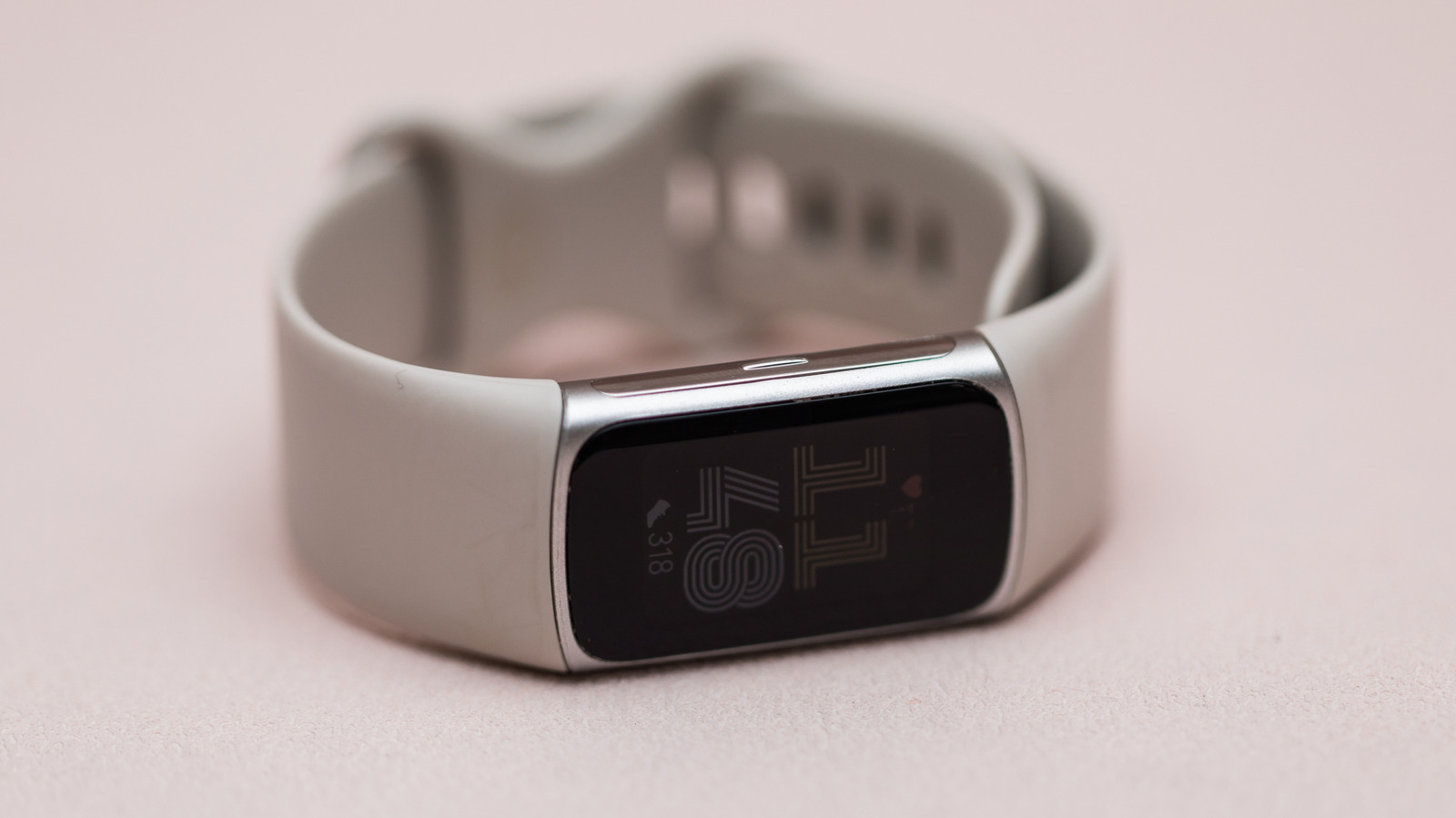
The Fitbit Edge is intended to resolve this dichotomy. By offering a dedicated screen for real-time metrics and a design language that leans into the classic "tracker" aesthetic, it serves as an upgrade path for those who find the Fitbit Air too limited and the Pixel Watch 5 too heavy. It is a strategic move by Google to ensure that it has a compelling answer for every type of health-conscious consumer, regardless of whether they prioritize simplicity or high-end smart features.
Technical Expectations and Market Impact
While official specs will remain under wraps until the October 12 presentation, the leaks provided by Dealabs and other outlets paint a fairly vivid picture of what the Fitbit Edge will offer. One of the most critical aspects of any wearable is battery longevity, and the reports suggest that the Edge will prioritize efficiency. Users can reportedly expect up to seven days of battery life when the device is used in its standard mode, with the always-on display feature being the primary driver for power consumption. If the always-on display is enabled, the battery life is expected to drop to approximately two days, which is still competitive with other trackers in the current market.
Pricing remains a significant point of interest for consumers. Dealabs reported a potential European price point of €179. When converted and adjusted for regional market strategies—and considering that the Fitbit Air retails for $99 in the United States—analysts speculate that the Fitbit Edge will likely land in the $180 range for American customers. This price point effectively places it in the "premium tracker" category, making it a direct competitor to other established players in the fitness segment.
Beyond the hardware, the Fitbit Edge is expected to be a cornerstone of Google’s ongoing push for its Google Health Premium subscription service. Much like its predecessors, the device will likely serve as a gateway, offering a baseline level of tracking that encourages users to unlock deeper, AI-driven insights through the paid tier of the Google Health platform. By tying the hardware experience to the software subscription model, Google is continuing its broader strategy of creating a cohesive, ecosystem-locked health journey for its users.
A Legacy of Physical Controls
For long-time Fitbit enthusiasts, the design of the Edge will feel remarkably familiar, yet refined. The return of a physical side button, as teased in the official images, is a nod to the design philosophy that made the Fitbit Charge 6 a success. In an industry that has increasingly moved toward touch-only interfaces, the inclusion of a tactile button provides a level of reliability and ease of use that many athletes and daily users find superior, particularly when hands are sweaty or when the screen is obscured by moisture.
The choice of the name "Edge" also carries a subtle marketing weight, implying both the literal physical edge of the display and the metaphorical "edge" that the device provides in managing personal health. As Google continues to unify its disparate health and fitness applications under the singular Google Health umbrella, the Fitbit Edge is poised to be a critical hardware component of this unified vision.
As the tech world looks toward the October 12 reveal, the focus will shift from the leaks to the execution. The success of the Fitbit Edge will ultimately depend on whether it can deliver on its promises of long battery life, accurate sensor data, and a seamless integration with the Google Health ecosystem. If the leaks hold true, Google has crafted a device that perfectly fills the middle ground of its product hierarchy. With the official date now circled on the calendar, the industry will soon see if the Fitbit Edge can set a new standard for the wearable fitness category.