










As the technology community begins to cast its gaze toward the next major milestones in Apple’s hardware roadmap, a new and somewhat enigmatic rumor has emerged regarding the future of the company’s flagship smartphone line. Whispers have begun circulating within supply chain circles and social media forums suggesting that Apple may be exploring the development of a ceramic-bodied version of the highly anticipated iPhone 20 Pro. While the prospect of a high-end ceramic device is certainly compelling, the current evidence remains thin, leading many industry analysts to treat the claim with a healthy degree of skepticism.
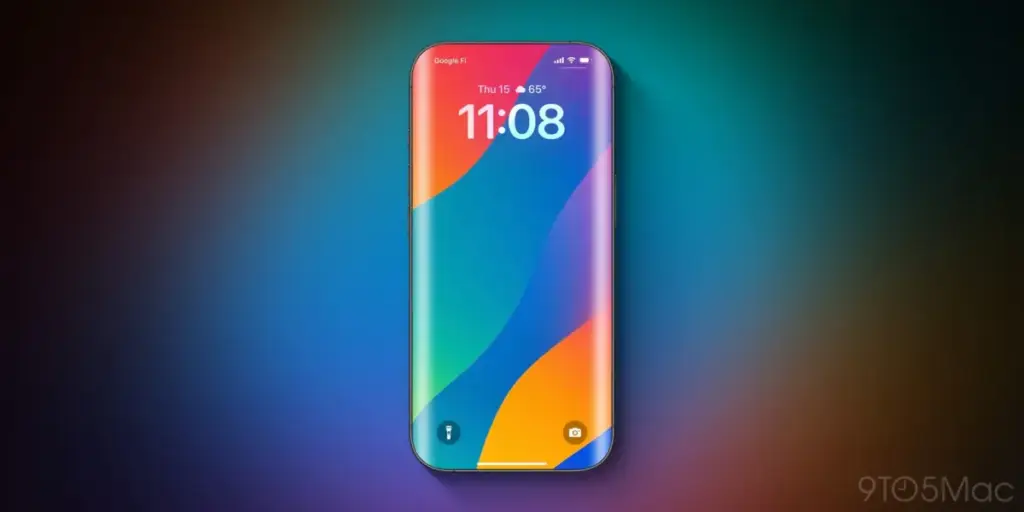
The origin of these rumors appears to be rooted in fragmented reports, including commentary from Fixed Focus Digital, which has claimed to have seen evidence of ceramic components intended for next year’s flagship iPhone. These claims have been accompanied by visual representations, such as a widely circulated render shared by Tech Overwatch. However, it is essential to distinguish between these speculative digital designs and concrete manufacturing plans. The images currently surfacing are clearly artistic interpretations—imaginative renders designed to visualize what such a device might look like rather than documentation of an actual product in production.
For those following Apple’s design history, the mention of ceramic immediately evokes the Apple Watch Edition models of years past, which utilized high-grade zirconia ceramic to create a distinct, durable, and premium aesthetic. The material is renowned for its scratch resistance and unique tactile feel, setting it apart from the aluminum, stainless steel, and titanium finishes that have defined the iPhone’s evolution over the last two decades. Despite its prestige, ceramic is notoriously difficult to manufacture at the scale required for a mass-market smartphone, involving complex sintering processes that could prove prohibitively expensive and logistically challenging for a device as popular as the iPhone Pro series.


One significant possibility that cannot be ignored is that these rumors may stem from a misunderstanding of Apple’s existing material technologies. For several generations, Apple has utilized its proprietary "Ceramic Shield" technology—a form of glass-ceramic infused with nanocrystals—to protect the display and, more recently, the rear glass panels of its devices. As the iPhone 20 Pro approaches, it is entirely plausible that improvements to this technology are being misinterpreted by outside observers as a move toward a full ceramic chassis. If Apple has developed a new, more robust iteration of its Ceramic Shield, reports of "ceramic components" circulating through the supply chain could easily be misconstrued as a fundamental shift in the phone’s structural materials.
The context of the iPhone 20 Pro adds another layer of complexity to these rumors. This specific device is expected to be a landmark release, commemorating the twentieth anniversary of the original iPhone. Expectations for the hardware are exceptionally high, with many industry insiders predicting a complete overhaul of the device’s architecture and production line. Introducing a specialized ceramic model alongside an already complex, newly engineered flagship would represent a significant departure from Apple’s typical product strategy. Apple has historically focused on streamlining its manufacturing processes to ensure that its premium devices are produced with the highest possible consistency and scale. Splitting production resources between a standard premium model and a niche, ultra-premium ceramic variant would be an unconventional move, even for a company known for its focus on luxury and differentiation.
Furthermore, the logistical hurdles of mass-producing a ceramic phone are well-documented. During the company’s experiments with ceramic on the Apple Watch, the manufacturing yield rates were significantly lower than those for traditional metals. Scaling that process up to the size of a modern smartphone, which requires precise tolerances for internal components, wireless charging, and antenna performance, would be a monumental engineering feat. Given that the iPhone 20 Pro is already positioned to be a highly premium device—likely utilizing advanced titanium alloys or other high-performance materials—the added value of a ceramic body would need to be substantial enough to justify the exponential increase in production cost and technical risk.

It is also worth noting that the rumor cycle surrounding future Apple products often hits a period of intense speculation well before any reliable data points are available. As the release of the iPhone 20 Pro nears, the frequency of "leaks" typically increases, many of which are based on supply chain chatter that lacks the necessary context to be verified. In this case, the lack of granular detail regarding the production process or specific supplier contracts makes it difficult to assign any real weight to the claims. Without corroboration from more established industry analysts or legitimate regulatory filings, the idea of a ceramic iPhone 20 Pro remains firmly in the realm of speculation.
The broader conversation surrounding this rumor highlights the market’s ongoing hunger for innovation in smartphone design. After years of iterative updates that have focused on camera improvements, processor speeds, and screen technology, there is a clear appetite for a shift in hardware aesthetics. Consumers and enthusiasts alike are constantly looking for the "next big thing" in terms of physical design, and the return of ceramic would certainly provide a refreshing departure from the status quo. However, Apple’s history suggests a preference for practical innovation—advancements that can be implemented reliably across millions of units without compromising the core user experience.
If Apple were to pursue a ceramic device, it would likely be introduced as a limited edition or a distinct tier, similar to the original high-end "Edition" watches, rather than as a standard configuration for the Pro line. Yet, even that approach seems at odds with the current trajectory of the iPhone, which has prioritized the "Pro" branding as the pinnacle of the company’s mainstream offering. By keeping the Pro line consistent, Apple ensures that its most demanding users receive the best features without having to navigate a confusing array of material options.

As the industry continues to analyze these reports, it serves as a reminder of how quickly rumors can gain momentum in the digital age. What starts as a vague mention of "ceramic components" can rapidly evolve into widespread speculation about a new product category, often fueled by renders that look more like reality than they actually are. For now, the most logical conclusion is that the iPhone 20 Pro will continue to rely on the tried-and-true materials that have made Apple’s recent flagship devices both durable and visually striking, potentially bolstered by further refinements to the Ceramic Shield technology that has already become a staple of the user experience.
Whether these rumors eventually die down or evolve into something more concrete remains to be seen. In the meantime, the technology community will likely continue to debate the feasibility of such a design, weighing the undeniable aesthetic appeal of ceramic against the harsh realities of mass-market manufacturing. For Apple, the challenge remains to balance the desire for innovation with the operational excellence that has defined its success for two decades. As we look toward the twentieth anniversary of the device that changed the world, the focus will undoubtedly remain on delivering a device that captures the spirit of that legacy, whether it is housed in traditional alloys or something entirely new. Until more definitive evidence surfaces, the ceramic iPhone 20 Pro remains a tantalizing, yet unlikely, prospect.