









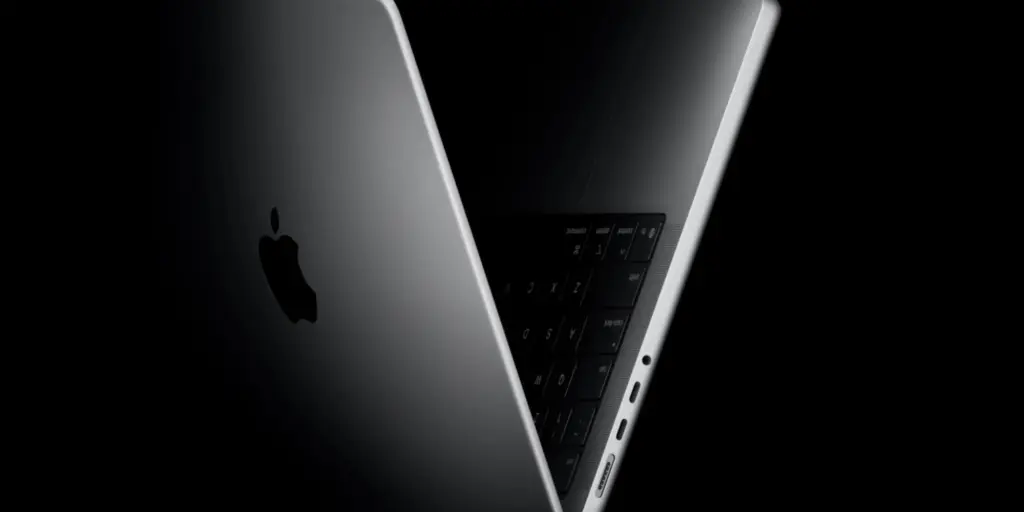
In a move that signals a monumental shift in the trajectory of personal computing, Apple appears to be in the final stages of preparing for the release of its first-ever touchscreen MacBook Pro. Evidence uncovered within the latest beta iteration of macOS 27.2 strongly suggests that the company is laying the technical groundwork necessary to introduce touch-based interactivity to its professional laptop line. As the tech industry watches closely, this development marks a significant departure from Apple’s long-standing philosophy regarding the separation of macOS and iPadOS, potentially revolutionizing how power users interact with their machines.
The discovery, which emerged following the release of macOS 27.2 beta 3 to developers, provides the clearest look yet at Apple’s internal efforts to integrate touch gestures into the Mac experience. Industry observers and researchers, including Aaron Perris, who meticulously tracks changes in Apple’s software, have identified specific references to “gesture recognition tools” embedded within the operating system. These tools are reportedly designed to bridge the gap between traditional mouse-and-keyboard input and the nuanced capabilities of a touchscreen interface. By building these frameworks directly into the core of macOS, Apple is ensuring that the transition to touch-enabled hardware feels like a native extension of the desktop experience rather than an afterthought.
Preparing the Foundation for Touch
The implementation of gesture recognition is not merely a superficial change; it represents a fundamental reconfiguration of how macOS handles user input. Within the beta software, new code snippets indicate that various stock Apple applications are being optimized to recognize specific touch patterns. This includes the integration of complex swipe, pinch, and tap gestures that have become second nature to users of mobile devices but have remained absent from the Mac ecosystem for decades.
Further supporting the theory of an imminent hardware launch, macOS 27.2 beta 3 introduces a refined long-press animation for the Dock. In a desktop environment, the Dock has traditionally been a point-and-click interface, but a long-press interaction is a hallmark of touch-first interfaces. This subtle UI adjustment suggests that Apple is refining the tactile feedback of the operating system to accommodate the inherent imprecision of a human finger compared to a cursor. By providing visual confirmation of touch interactions through these animations, Apple is likely aiming to mitigate the learning curve for users transitioning from a standard trackpad to a direct-touch screen.
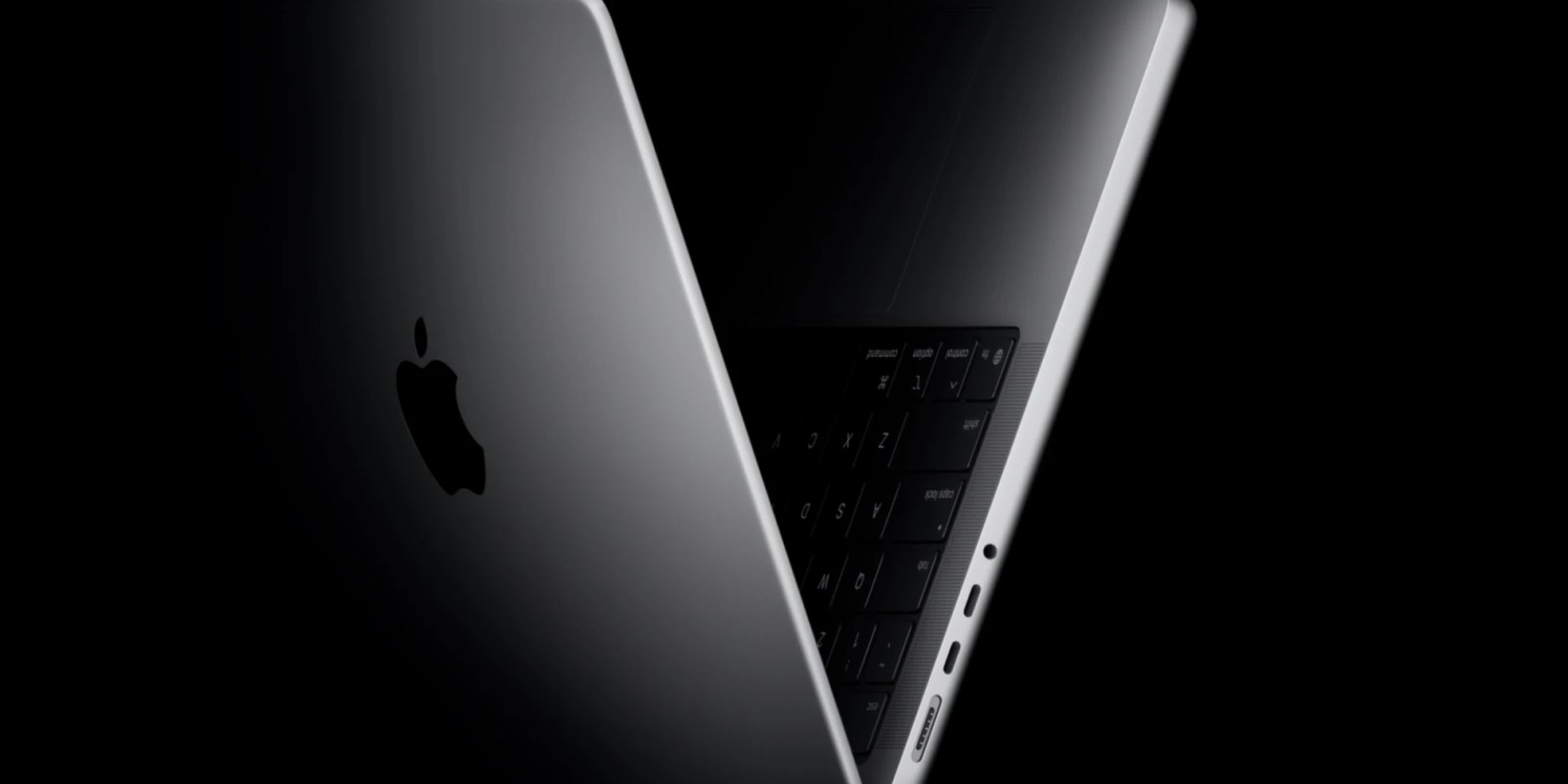
This progress follows a series of incremental updates throughout the lifespan of macOS 27. The operating system has recently seen the introduction of “pull-to-refresh” functionality—a staple of mobile web browsing—which is now being brought to the desktop. Furthermore, improvements to the Sidecar feature, which allows an iPad to function as an external display, have increasingly incorporated touch inputs that pass through to the Mac. These developments were not isolated incidents but rather breadcrumbs leading toward the convergence of touch-capable display technology and professional-grade computing.
Dynamic Interfaces and User Experience
The challenge of bringing touch to a 14-inch or 16-inch display lies in the UI density of professional applications. A button designed to be clicked with a single-pixel cursor is often too small to be accurately pressed by a finger. To address this, reports from Bloomberg indicate that Apple has developed a dynamic interface system. Under this design, the operating system would intelligently detect when a touch input is being attempted.
When a user reaches toward the screen, macOS may dynamically enlarge interactive elements, such as buttons, sliders, and menu options, to make them more accessible. This “adaptive UI” approach ensures that the precision of the mouse is maintained for complex tasks like video editing or software development, while the convenience of touch is available for navigation, consumption, and quick adjustments. By automatically expanding controls when touch interaction is detected, Apple intends to prevent the frustration of mis-taps while preserving the clean, high-resolution aesthetic of the macOS desktop.
Hardware Overhaul: A Lighter, OLED-Driven Future
The software refinements are only half of the story. The hardware that will debut alongside these features is expected to be one of the most significant overhauls to the MacBook Pro line in recent history. Beyond the inclusion of a touch-sensitive display, industry leaks suggest that Apple is moving to an OLED panel for its flagship laptops. OLED technology offers superior contrast ratios, deeper blacks, and improved power efficiency compared to the Mini-LED displays currently utilized in the MacBook Pro lineup.

Furthermore, the new machine is expected to be “significantly lighter” than its predecessors. The current MacBook Pro chassis, while robust and thermally efficient, has been criticized by some users for its weight. By utilizing advanced materials and optimizing the internal architecture, Apple is reportedly aiming to create a device that balances the high-performance requirements of a “Pro” user with the portability and ease of use demanded by a modern, touch-interactive workflow.
There is also growing speculation regarding the branding of this device. While it is widely discussed as the next iteration of the MacBook Pro, some analysts have posited that the convergence of touch and high-performance silicon could lead to a new product tier—perhaps a “MacBook Ultra.” Regardless of the naming convention, the device is clearly positioned to bridge the divide between the iPad Pro’s touch-first versatility and the Mac’s uncompromising professional power.
Timing and Market Expectations
The question of when this device will arrive has become a focal point of intense speculation. While initial signals pointed toward a launch within the current month, sources familiar with the matter, including reports from Bloomberg, have advised that supply chain complexities or software polish could potentially push the release into November. Apple’s release cadence is notoriously precise, and the company is unlikely to ship such a critical piece of hardware until both the display technology and the macOS 27.2 software environment are thoroughly vetted.
If the launch proceeds as planned, it will represent the culmination of years of internal debate at Apple. For the better part of a decade, the company maintained a rigid stance against touchscreens on laptops, arguing that the ergonomics of a vertical display were inferior to those of a tablet or a trackpad-based system. By finally embracing the touchscreen, Apple is implicitly acknowledging that the evolution of professional workflows requires more flexible interaction models.

As the release date nears, the tech industry remains split on how users will adapt to a vertical touchscreen. While the potential for improved productivity in creative suites—such as using a finger to paint in Photoshop or scroll through complex timelines in Final Cut Pro—is undeniable, the long-term impact on ergonomics and interface design remains to be seen. Apple’s success will likely hinge on whether the integration of touch feels like a natural evolution of the Mac, or an intrusive addition that compromises the clean, efficient experience that macOS users have come to expect.
With the developers already testing the necessary software hooks and the hardware rumors reaching a fever pitch, the stage is set for a pivotal moment in the history of the Mac. Whether the forthcoming device is a subtle iteration or a radical departure from the norm, it is clear that the next chapter of the MacBook Pro will be defined by the touch of a finger. As October draws to a close, all eyes are on Cupertino to see if this highly anticipated transition will redefine the gold standard for high-performance laptops.