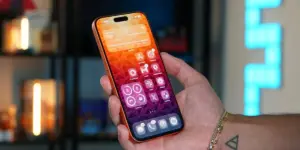









In the latest iteration of Apple’s mobile operating system, iOS 27, the Cupertino-based tech giant has introduced a suite of transformative features designed to redefine the relationship between users and their devices. While much of the public discourse surrounding the update has focused on the sweeping artificial intelligence capabilities integrated into Siri and the comprehensive overhauls for core applications like Wallet, Messages, and Notes, a significant, more surgical improvement has emerged for power users. Among the most notable of these niche features is the new iPhone Handoff functionality, a tool that finally addresses the long-standing friction faced by individuals who rely on multiple iPhones for their professional and personal lives.
For years, the multi-device ecosystem within Apple’s hardware lineup has been remarkably cohesive, allowing for seamless transitions between Mac, iPad, and iPhone. However, the one area that remained stubbornly tethered to a single piece of hardware was the cellular identity of the device itself. Users juggling two iPhones were traditionally forced to either maintain two separate phone numbers, navigate complex call forwarding rules, or physically swap SIM cards—a process that was neither elegant nor efficient. With the arrival of iOS 27, Apple is effectively dismantling that barrier, allowing a single phone number to migrate fluidly between two different iPhones.
Understanding the Mechanics of iPhone Handoff
The core concept behind this new capability is both simple and sophisticated. By designating one device as the "main" iPhone and the second as the "secondary" unit, users can now tether their cellular identity to both devices simultaneously, though the system is designed to ensure only one remains active at any given time. This distinction is vital for maintaining the integrity of carrier-specific services and billing account management.
According to documentation provided by Apple, the "main" iPhone serves as the anchor for the user’s carrier relationship. Critical administrative tasks—such as configuring call forwarding, managing caller ID settings, and overseeing carrier-specific account modifications—remain locked to this primary device. This ensures that while the mobility of the number is flexible, the administrative stability of the line remains secure. The secondary device, while fully capable of handling standard voice calls and data traffic, operates under the administrative umbrella of the primary device.
The transition process itself is designed to be virtually invisible to the user. When a user wishes to switch their active connection from the main device to the secondary device, the process is as intuitive as unlocking the phone. Once the secondary device is authenticated and brought online, the cellular radio on the previous device is effectively put into a standby state, and the phone number is transferred to the newly unlocked handset. To confirm this transition, a subtle notification—"Switched to this iPhone"—appears at the top of the display, providing immediate visual confirmation that the network connection is active and ready for use. This design philosophy aligns with Apple’s historical emphasis on reducing the cognitive load on the user; there is no need for manual toggling in the Settings app or restarts. The system simply follows the user’s intent.
A Niche Solution for Modern Workflow Needs
It is clear that this feature will not be a daily necessity for the average consumer. Most iPhone users are perfectly content with a single device that serves their communication, media, and professional needs. However, for a specific segment of the population—including executives, journalists, field researchers, and developers—the ability to swap devices without sacrificing reachability is a game-changer.

For some, this might mean keeping a ruggedized, secondary iPhone for outdoor or high-risk environments, while retaining a flagship model for everyday office tasks. For others, it offers a way to utilize different form factors—such as the hypothetical iPhone Duo versus a Pro model—without the administrative headache of managing two distinct phone bills or missing urgent communications. By effectively saying "Why choose?" Apple is acknowledging that the modern mobile experience is increasingly fragmented across different hardware configurations, and that the software should adapt to the user’s hardware choices, rather than the other way around.
The implementation of this feature, however, is not without its current limitations. As of the initial rollout, support for this seamless handoff is dependent on carrier participation. Because the feature requires tight integration between Apple’s iOS 27 infrastructure and the underlying cellular network protocols, not every carrier has the necessary backend systems to support such a handoff immediately. Apple has provided an official list of compatible carriers, and while that list is currently limited, the company has expressed a clear intent to expand this ecosystem to include a wider range of global telecommunications providers in the coming months.

The Broader Context of the iOS 27 Ecosystem
This development sits within a much larger context of Apple’s broader strategy for the current year. The introduction of iOS 27 represents one of the most ambitious updates in the company’s recent history, particularly regarding the role of AI in the user interface. The new "Siri AI" is designed to act more as a contextual assistant than a simple command-line interface, while updates to CarPlay and the AirPods software suite demonstrate a push toward deeper, more pervasive integration across the Apple ecosystem.
By introducing granular, highly useful features like iPhone Handoff alongside these high-profile AI upgrades, Apple is signaling that it remains committed to the "small" details that often define the daily experience of its most loyal users. While the headlines are captured by generative AI and interface overhauls, the long-term utility of the iPhone platform is often built upon these kinds of subtle, quality-of-life improvements.

As the industry continues to watch how users adopt these new dual-device capabilities, questions remain regarding how carriers will manage the billing and provisioning aspects of this feature in the long term. Will this lead to new "multi-device" plan structures? Will it encourage a shift in how consumers purchase hardware? For now, the focus remains on the seamless execution of the technology.
Whether this feature will eventually become a standard expectation for mobile users remains to be seen. For those who have been waiting for a way to untether their identity from a single chassis without losing the convenience of a unified phone number, iOS 27 finally provides the answer. As Apple continues to refine this functionality and bring more carriers into the fold, it is likely that the "main and secondary" paradigm will become a standard part of the toolkit for power users everywhere. In an era where the smartphone has become an extension of the individual, the ability to move that identity fluidly between physical devices is a natural, albeit sophisticated, step forward in the evolution of personal computing.