









Google has officially unveiled the Fitbit Edge, a sophisticated new entry into its wearable ecosystem that seeks to bridge the gap between minimalist fitness bands and full-featured smartwatches. Positioned as a direct evolution of the company’s health-tracking philosophy, the device arrives with a refined design, expanded sensor capabilities, and a $180 price point. However, for many consumers, the immediate question is whether this premium model justifies its cost when placed against the $99.95 Fitbit Inspire 3, a long-standing favorite for those who prefer a more streamlined, budget-friendly approach to health monitoring.
The release of the Edge signifies Google’s attempt to provide a more nuanced option for users who want advanced health data without the bulk or the high price tag associated with a flagship smartwatch like the Pixel Watch series. By comparing the two devices, it becomes clear that while they share the same core DNA, they are designed for fundamentally different user experiences.
A Shift Toward Premium Materials and Design
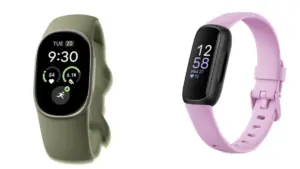
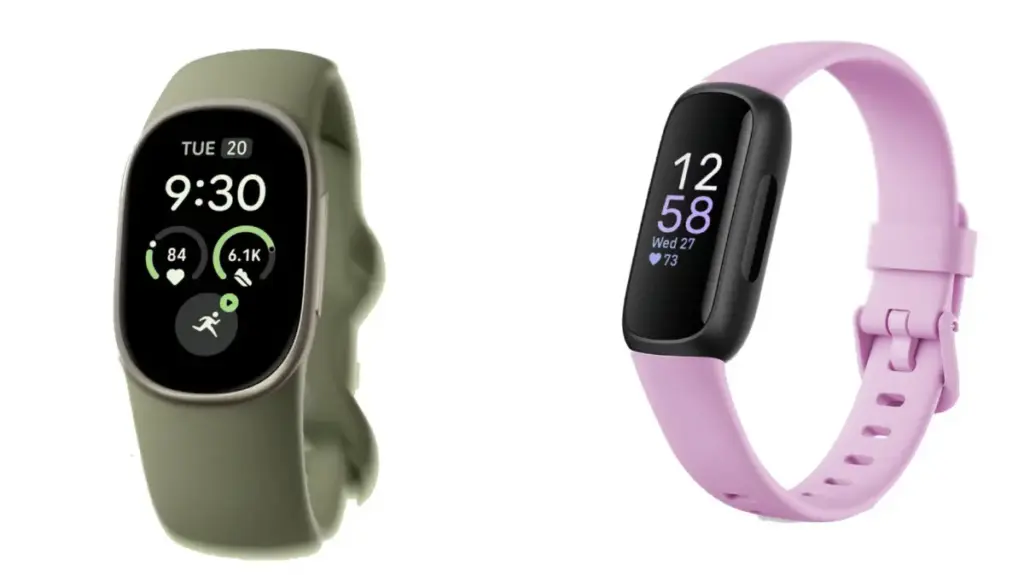
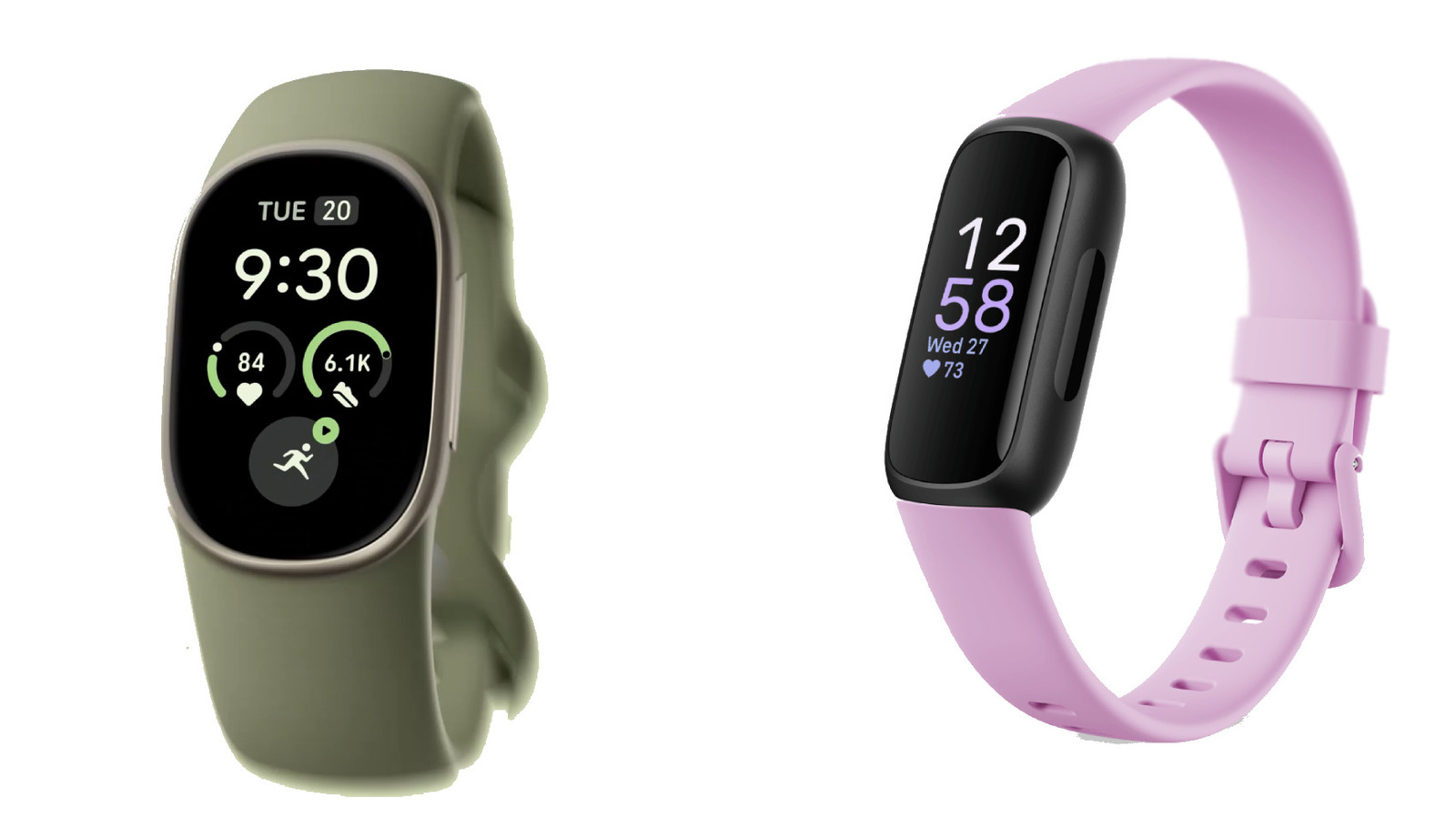
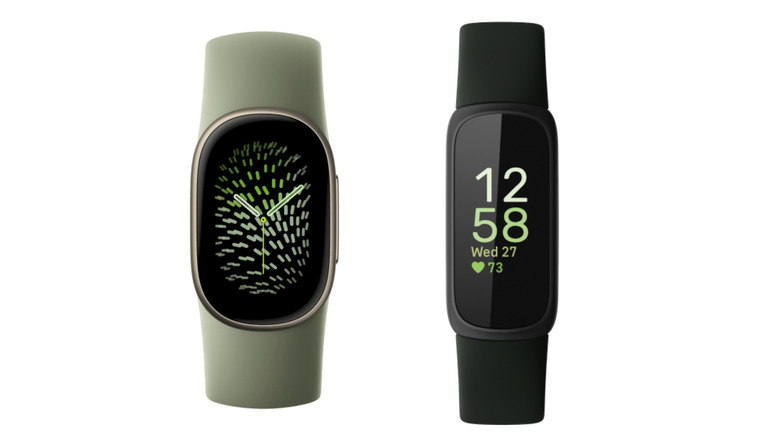
At a glance, both the Fitbit Edge and the Fitbit Inspire 3 share a common lineage, utilizing vibrant AMOLED displays that offer excellent clarity in various lighting conditions. However, the hardware implementation differs significantly. The Edge introduces a screen that is 6.9mm wider than that of the Inspire 3, providing more real estate for data visualization and interaction. Despite this, the overall physical footprint of the two devices remains surprisingly similar, with the Edge measuring 39.2 x 25.5 x 11.5mm compared to the 39.32 x 18.6 x 11.75mm dimensions of the Inspire 3.

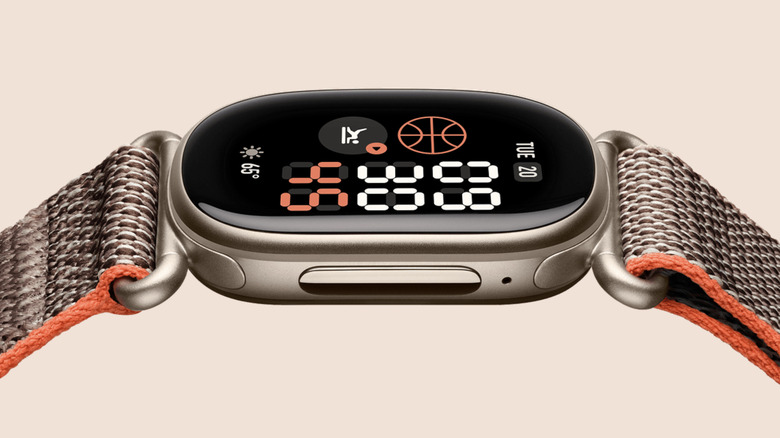
The most striking difference lies in the build quality. While the Inspire 3 relies on a lightweight plastic casing, the Edge features a 100 percent recycled aluminum chassis. This shift to metal not only provides a more durable feel but also gives the device a sophisticated aesthetic that transitions better from the gym to the office. The inclusion of a more tactile side button on the Edge further enhances the user interface, offering a more deliberate and satisfying way to navigate menus compared to the more understated design of the Inspire 3.
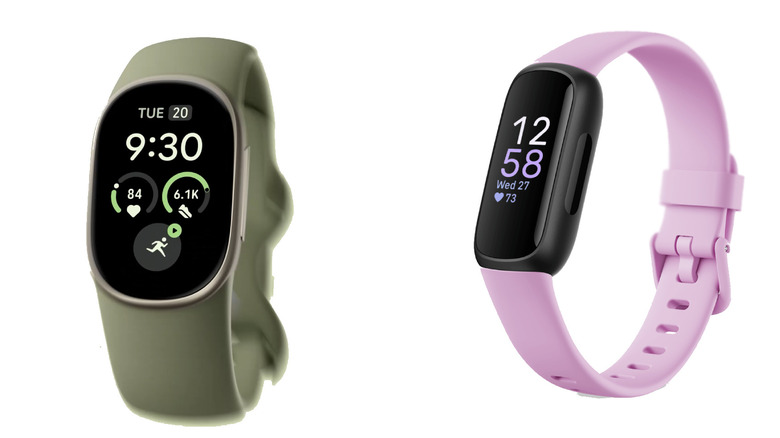
Color palettes also delineate the two models. The standard Fitbit Edge is available in olive green, black, white, and a distinct coral peach. For those seeking a unique collaboration, Google has also introduced a special Stephen Curry edition. Endorsed by the NBA superstar, this version features a pale gold aluminum case and a premium braided fabric strap, though it commands a $220 price tag—a $40 premium over the base Edge model. In contrast, the Inspire 3 sticks to a more conventional trio of colorways: pink, orange, and black, reinforcing its position as an entry-level athletic accessory.
Enhanced Connectivity and Independence
Perhaps the most significant functional advantage of the Fitbit Edge is its commitment to independence from the smartphone. A major pain point for many fitness enthusiasts is the need to carry a bulky phone while running or cycling to maintain accurate location tracking. The Edge solves this with built-in GPS, which Google claims delivers a 40 percent improvement in tracking accuracy compared to the tethered solutions required by the Inspire 3. With this integrated hardware, users can venture out for outdoor workouts, map their routes, and track their pace without needing to keep their phone in a pocket or armband.
Connectivity is further bolstered by the inclusion of Bluetooth 5.4. This allows users to pair wireless headphones directly to the Edge, facilitating music playback without a smartphone bridge. Both devices support Google’s "Find My Device" network, ensuring that users can locate their wearable if it is misplaced, and both provide essential smartphone notifications. However, the Edge goes further by offering Quick Replies, music controls, and weather forecasts directly from the wrist. There is also imminent support for Google Maps, which would turn the Edge into a navigation tool, a feature entirely absent from the more basic Inspire 3, which is limited to displaying calendar alerts.
Advanced Fitness and Health Analytics
While both wearables are capable of continuous activity monitoring, the Edge is clearly engineered for the data-driven athlete. It supports an extensive array of over 50 exercise modes and can automatically detect 100 different types of movement. This stands in contrast to the Inspire 3, which is limited to tracking 20 specific exercise modes.
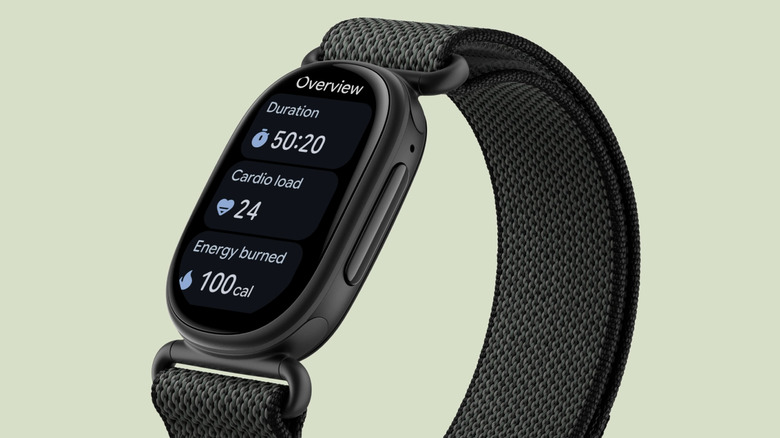
The analytical depth provided by the Edge is also more comprehensive. It introduces metrics such as "cardio load" and "target cardio load," providing users with insights into how their exercise intensity impacts their overall fitness levels over time. It also includes specific tracking for floors climbed and heart rate monitoring during the use of gym equipment, features that are not native to the Inspire 3.
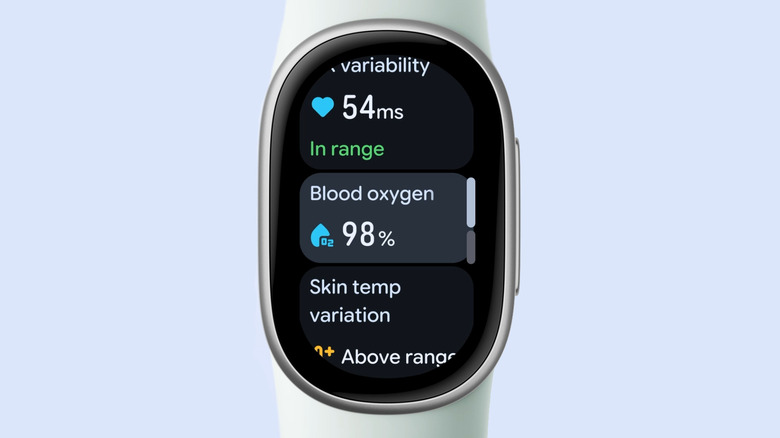
The divergence in health tracking is even more pronounced when focusing on clinical-grade data. While both devices utilize optical heart rate sensors and blood oxygen tracking, the Edge incorporates a more robust sensor suite. This includes an ECG app for irregular heartbeat detection (AFib), as well as a skin temperature sensor. The addition of a gyroscope and an altimeter enhances the precision of its fitness tracking, while the Edge also provides users with monthly insights into blood pressure and insulin resistance. For those who manage their health through external monitoring, the Edge offers a streamlined way to analyze blood sugar data, marking it as a much more powerful tool for long-term health management than the entry-level Inspire 3.
Battery Life and Durability
The trade-off for the Edge’s larger screen and more frequent, high-precision data processing is its battery life. While the Inspire 3 boasts an impressive 10-day battery life, the Edge is rated for up to one week on a single charge. For most users, this difference is marginal, as the convenience of a weekly charging routine is often sufficient, but it remains a consideration for those who prioritize longevity above all else.
Regarding durability, both devices share a 5 ATM water resistance rating, compliant with the ISO standard 22810:2010. This makes them suitable for showering, rain, and laps in a pool, though neither is intended for deep-sea diving or high-impact water sports. The Edge, however, adds an IP68 rating for dust resistance. This ensures that the device is fully sealed against fine particles, adding a layer of protection that the Inspire 3 lacks.
A New Category of Wearable
The Fitbit Edge occupies a unique, "middle-ground" space in the current wearables market. It is not trying to be a full-fledged, high-powered smartwatch capable of replacing a smartphone entirely, nor is it a basic step-counter. By focusing on essential smart features like built-in GPS, advanced health metrics like ECG, and a more durable, premium design, it caters to the user who wants to track their well-being with precision but prefers to avoid the complexity and high cost of devices like the Pixel Watch.
For the budget-conscious, the Fitbit Inspire 3 remains a reliable, cost-effective solution for basic health and activity tracking. However, for those who are ready to invest in a deeper understanding of their health and want the freedom to leave their phone behind during a workout, the Fitbit Edge presents a compelling upgrade. It is a device that effectively balances the convenience of a modern wearable with the focus of a dedicated fitness tracker, offering a refined, if slightly more expensive, path toward comprehensive personal health monitoring.