











A comprehensive new educational resource published recently on the freeCodeCamp.org YouTube channel aims to demystify this modern development paradigm by guiding creators through the process of building and publishing a full-featured, Instagram-style social media application named CodexGram. Moving well beyond superficial "vibe coding"—a term often used to describe careless or purely experimental AI prompting without architectural oversight—this extensive three-hour course emphasizes deliberate planning, reproducible design prompting, robust backend integration, and strict adherence to the rigorous review standards enforced by major app marketplaces.
The project at the heart of the tutorial, CodexGram, is constructed using modern, industry-standard technologies designed for performance and scalability. It is built using Expo and TypeScript, providing a robust and type-safe foundation for cross-platform mobile development. For styling, the application leverages NativeWind, which brings the utility-first flexibility of Tailwind CSS directly into the React Native ecosystem, alongside Expo’s liquid-glass Native Tabs to deliver a sleek, contemporary user interface that rivals professionally designed commercial applications.
The comprehensive curriculum addresses the full spectrum of modern mobile app development, touching on critical phases that often trip up solo developers. Rather than focusing solely on writing code, the tutorial places significant emphasis on the initial conceptualization and planning phases. By teaching developers how to utilize AI tools methodically, the course demonstrates how to generate reproducible design prompts that yield consistent user interface components, maintain design system integrity, and eliminate the erratic visual artifacts that can plague AI-assisted coding projects.
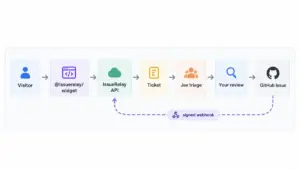
Furthermore, the instructional material delves deeply into the complexities of backend integration and data management. Building a social media application requires handling user authentication, real-time media uploads, database queries, and state management efficiently. The course walks viewers through connecting these vital components within a React Native architecture, ensuring that the resulting application is not merely a static prototype, but a fully functional, dynamic software product capable of handling live user data and interactions securely.
Equally important is the attention paid to the final hurdles of mobile software distribution. Many independent developers successfully code an application only to find themselves stymied by the stringent compliance guidelines, privacy requirements, and technical specifications mandated by app stores. The freeCodeCamp tutorial directly addresses this challenge by instructing developers on how to prepare their projects for production deployment and navigate review standards successfully. This holistic approach ensures that learners understand the complete journey of software creation, from the first line of code to public availability on the App Store.
The release of the CodexGram tutorial reflects a broader shift within the software development community regarding the integration of artificial intelligence into daily workflows. As AI coding assistants and generation tools become increasingly sophisticated, the bottleneck in software creation is shifting away from raw syntax memorization and manual typing toward architectural vision, project management, and quality assurance. By demonstrating how an individual developer can harness these technologies responsibly to build a polished, production-grade application, the three-hour course serves as a timely resource for programmers looking to adapt to the changing demands of the digital economy.
The complete instructional video is currently available for viewing on the freeCodeCamp.org YouTube channel, offering developers an in-depth, hands-on look at modern full-stack mobile development using Expo, TypeScript, and AI-assisted workflows.