









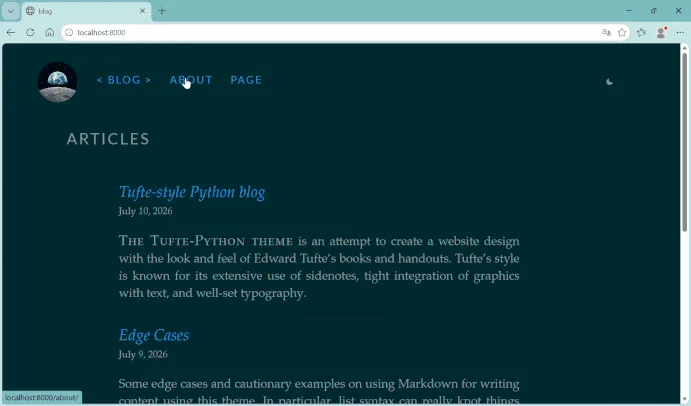
A developer has successfully ported the popular Tufte-Jekyll styled blogging template into a custom Python static site generator, shedding a complex Ruby toolchain in favor of a simpler development environment. The new project, named tufte-python, mirrors the distinctive aesthetic of Edward Tufte’s book layouts—renowned for high data density, generous whitespace, serif reading columns, and margin-bound supplementary notes—while shifting the underlying codebase to Python and Jinja2 templates.
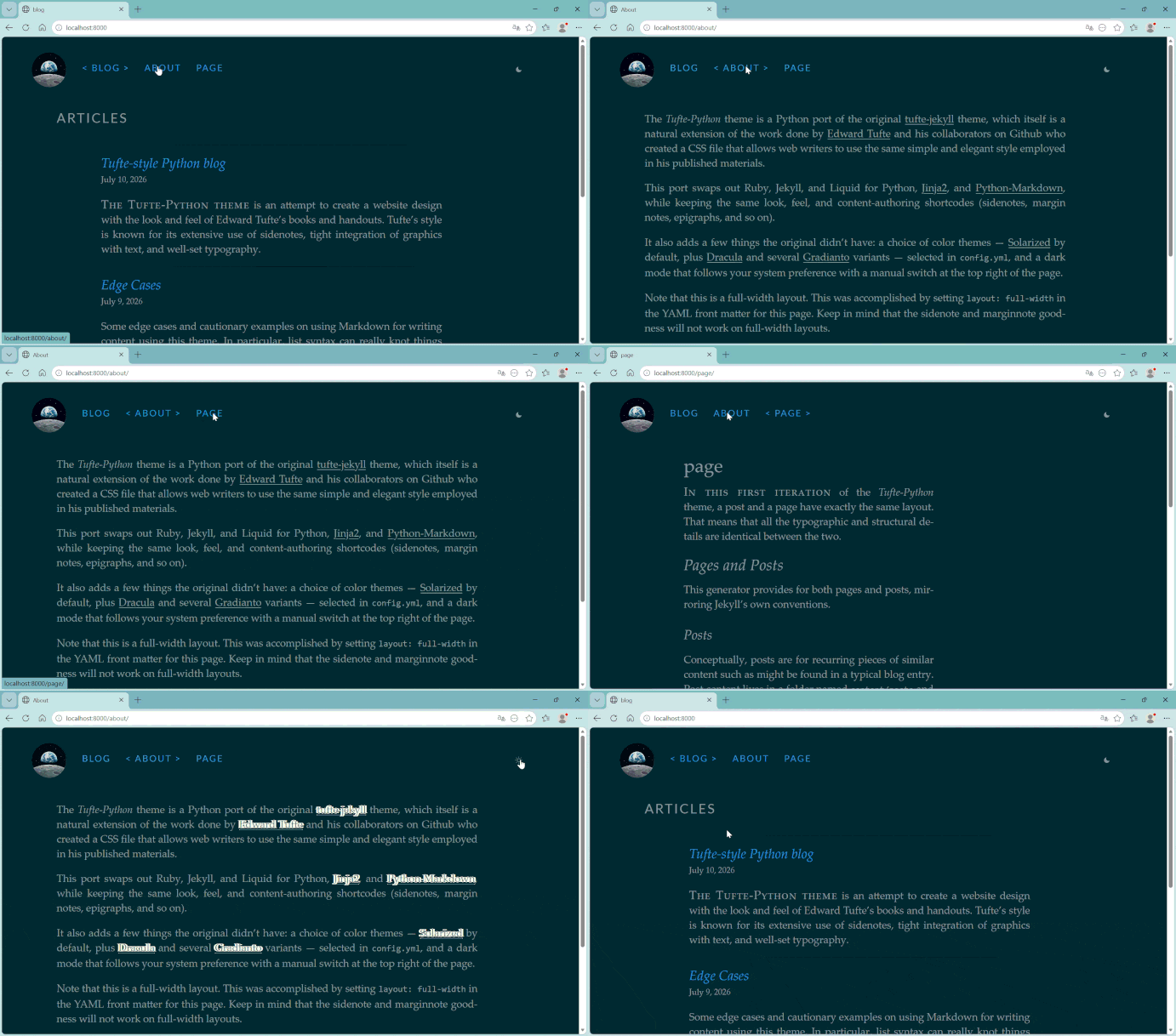
The migration highlights a common challenge faced by technical bloggers: balancing an appreciation for minimalist, typography-driven web design with the practical overhead of maintaining software ecosystems they rarely use elsewhere. The original tufte-jekyll theme relied heavily on Jekyll, a Ruby-based static site generator. For developers whose primary workflows do not involve Ruby, maintaining a separate environment solely to publish occasional blog posts often introduces friction, turning routine updates into troubleshooting exercises.

Rather than abandoning the aesthetic entirely, the developer undertook the port to establish a toolchain aligned with daily programming habits while simultaneously deepening their understanding of static site architecture. Static site generators generally follow a straightforward publishing model, translating text files, templates, and configurations into fully rendered HTML directories ready for deployment. In this case, the codebase relies on Jinja2 templates, Markdown files, and YAML front matter, which are subsequently built via custom scripts and deployed through automated continuous integration workflows.

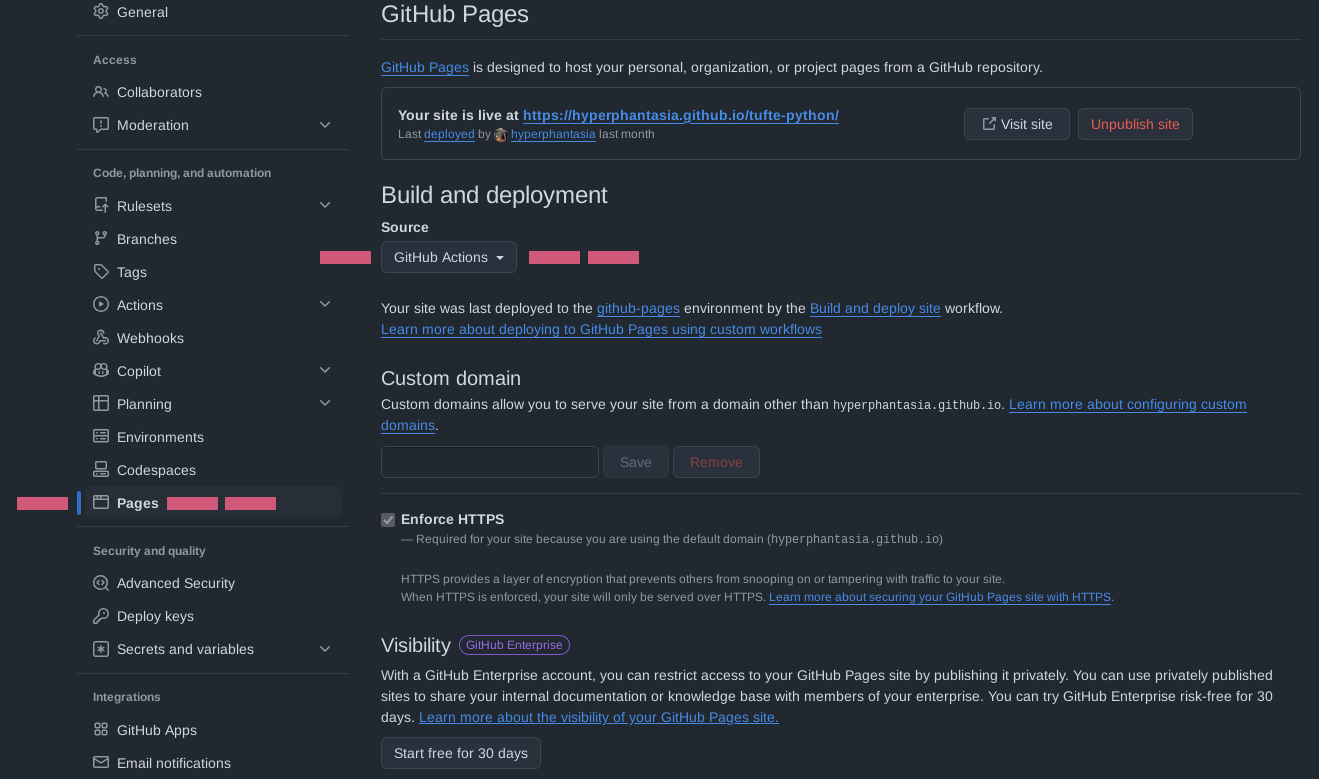
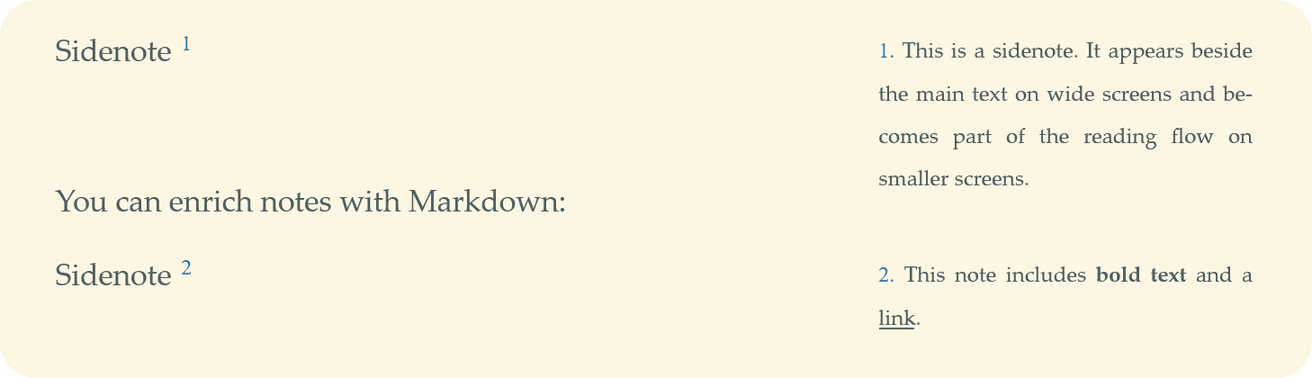
Porting the theme required careful dissection of how the original design achieved its signature features, such as sidenotes, margin figures, and epigraphs. In the Jekyll implementation, these visual elements depended on custom Ruby classes registered as Liquid tags. Because Jinja2 operates under a different design philosophy and lacks a built-in mechanism to parse arbitrary shortcode arguments out of prose inside Markdown files, a direct one-to-one translation was impossible. Furthermore, rewriting existing content to fit a new syntax would have defeated the goal of creating a seamless transition.

To overcome this hurdle, the developer implemented a text-preprocessing pass in Python. By utilizing regular expressions and advanced string-splitting libraries to handle quoted arguments safely, the build script scans raw Markdown files for shortcode patterns and converts them into appropriate HTML structures before the Markdown engine processes the page. This mirrors the execution order of the original Jekyll setup and ensures that legacy posts rendered correctly without manual restructuring.
Another significant area of transformation involved styling and color palettes. Jekyll projects traditionally rely on Sass compilers to generate a single, static CSS file at build time. To eliminate compilation dependencies, the new Python-based framework decouples structural layout CSS from color definitions. The layout files reference CSS custom properties, while individual theme palettes are maintained in separate, swappable files. This architectural change allows the site to adapt dynamically to user preferences, enabling modern features like light and dark mode toggles based on browser settings without requiring multiple stylesheet compilations.

The transition also necessitated rethinking local development and caching strategies. To ensure fast previews without unnecessary rendering overhead, the build system incorporates an incremental cache that tracks file modification times. However, to prevent stale pages from lingering after a shared template modification, the cache system evaluates global dependencies—such as configuration files and template sources—forcing a complete rebuild when structural assets change.
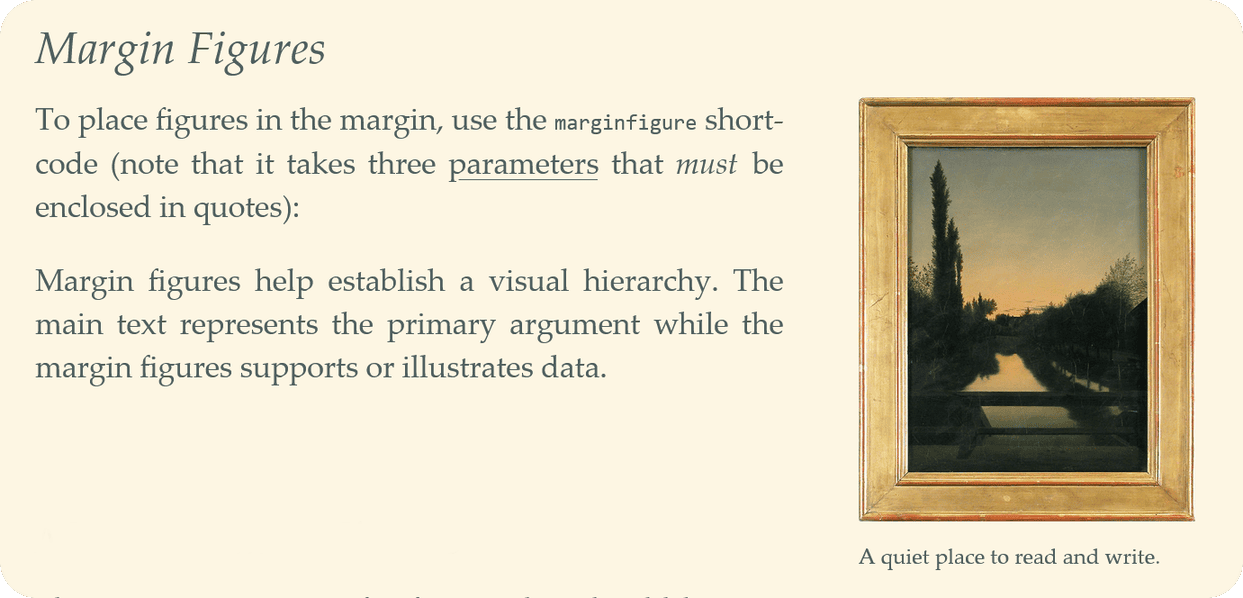
Because GitHub Pages natively supports Jekyll builds but lacks built-in awareness of custom Python build scripts, the project incorporates a dedicated GitHub Actions workflow. Upon every push to the main repository branch, automated CI runners configure a Python environment, install required dependencies, execute the build script, and deploy the resulting output directory directly to GitHub Pages.
The completed project serves as an example of adapting established web aesthetics across different programming languages. By breaking down the moving parts of the source theme, consolidating configuration files, and handling custom shortcodes via preprocessing, the developer established a repeatable pattern for migrating static site themes across diverse technological ecosystems.