









Readers visiting Opensource.com may have noticed a distinct quietness settling over the platform lately. Behind the scenes, the vibrant community that has sustained the site for over a decade is hard at work on something entirely new. While specific details regarding the upcoming project remain under wraps for the time being, the impending transition offers a compelling moment to reflect on the foundational nature of the internet, top-level domains, and the human network that defines the open source movement.
For the past twelve years, Opensource.com has served as a central hub for publishing stories about creating, adopting, and sharing open source solutions. Supported by a commercial entity throughout its history, the platform has grown into a cornerstone for advocates of collaborative technology. However, as the site prepares for its next chapter, community members and contributors are looking closely at what truly constitutes the heart and soul of the open source ecosystem: people.
To understand where the community is heading, it helps to look back at how the digital infrastructure we use every day was built.

The Internet, and Top-Level Domains
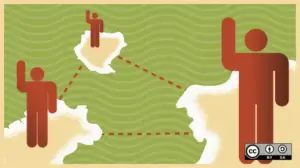
The internet, by its very definition, is a network—a group of interconnected connections. In fact, the term "internet" is a portmanteau of the words "interconnected" and "network." Historically speaking, the internet began as a network of interconnected networks, originally consisting of just two primary entities: the military network and the academic network.

As the digital age progressed and the internet gained popularity outside of those initial, specialized groups, it quickly became apparent that different designations were necessary. As the user base expanded, society needed a way to differentiate between a commercial entity, a charitable organization, a university, or a governmental department.
These crucial designations eventually came to be known as top-level domains, or TLDs. While there are numerous domain extensions available across the web today, for a long time, users navigated a landscape defined by only a handful of original options. These original TLDs remain remarkably popular and culturally embedded in how we navigate cyberspace. Most internet users intuitively understand that when they visit a web address ending in .com, they are typically visiting a commercial site, whereas a visit to a .org address generally points toward a non-profit organization, just as .edu denotes educational institutions.
These extensions do more than just route traffic; they tell a story about the purpose and nature of the organization behind the screen.
Open Source Is a Network
Just as the internet is built on connections, open source can manifest in many different forms. It can be commercial, it can be non-profit, it can be academic, and it can be cultural. No matter what form it ultimately takes, however, open source is always fundamentally a network.
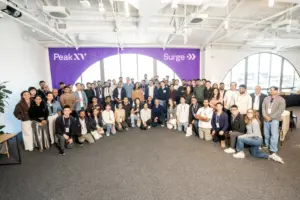
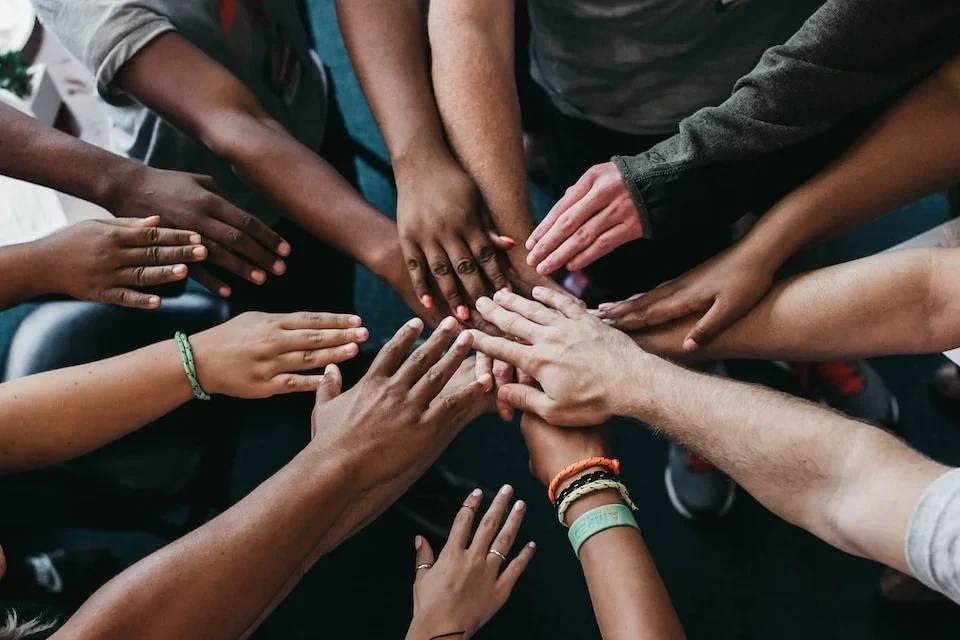
Sometimes that network is composed of physical computers and servers, but most importantly, it is always a network of people. Whether individuals are gathering in person at a bustling technology conference, catching up at a local pub after hours, or collaborating remotely in an online chat room, the open source movement is, at its core, a community of human beings working together toward shared goals.

This human element brings the conversation back to the current transition at Opensource.com. While the website has enjoyed the backing of a commercial entity for the last twelve years, the people who actually make up the vibrant Opensource.com community—the writers, editors, advocates, and readers—are not commercial entities themselves. They are simply people, united by a common passion for open technology and shared knowledge.
The realization of this dynamic has sparked a new direction. In one month, Opensource.com is set to resolve that fundamental discrepancy, aligning the platform more closely with the community of individuals who drive it forward every day. While the community awaits those specific announcements, the upcoming shift promises to honor the human network that has kept the site thriving for over a decade.
As the countdown begins, followers and contributors can continue to monitor developments and updates through official channels, keeping an eye on how the next evolution of the platform will take shape.