








As the tech world catches its breath following the high-profile launch of the iPhone 18 series, rumors are swirling regarding Apple’s next strategic move. According to the latest insights from Bloomberg’s Mark Gurman, the Cupertino-based tech giant is preparing to return to the stage on October 13 for an event dedicated to its expanding smart home ecosystem. While Apple previously opted for quiet, web-based product updates for secondary hardware, industry analysts suggest that this upcoming reveal will be substantial enough to warrant a formal, live-streamed presentation.
The potential October 13 date comes just over a month after Apple’s major autumn keynote, where the company introduced the iPhone 18 Pro and the iPhone Duo. That event, characterized by its "Glowtime" branding, set a high bar for the remainder of the year. However, if Gurman’s latest reports in his Power On newsletter are to be believed, Apple is not yet finished with its 2026 hardware cycle. The shift toward a dedicated smart home focus suggests that Apple is looking to solidify its position in the competitive home automation market, moving beyond the peripheral status its devices have held in the past.
A Renewed Focus on the Smart Home
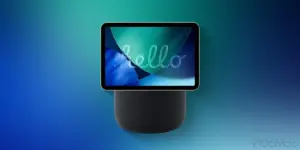
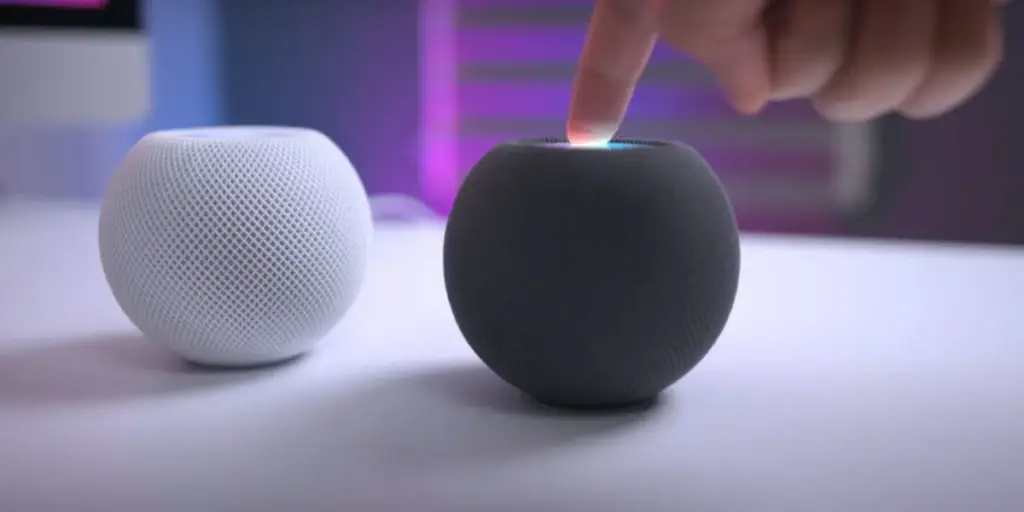
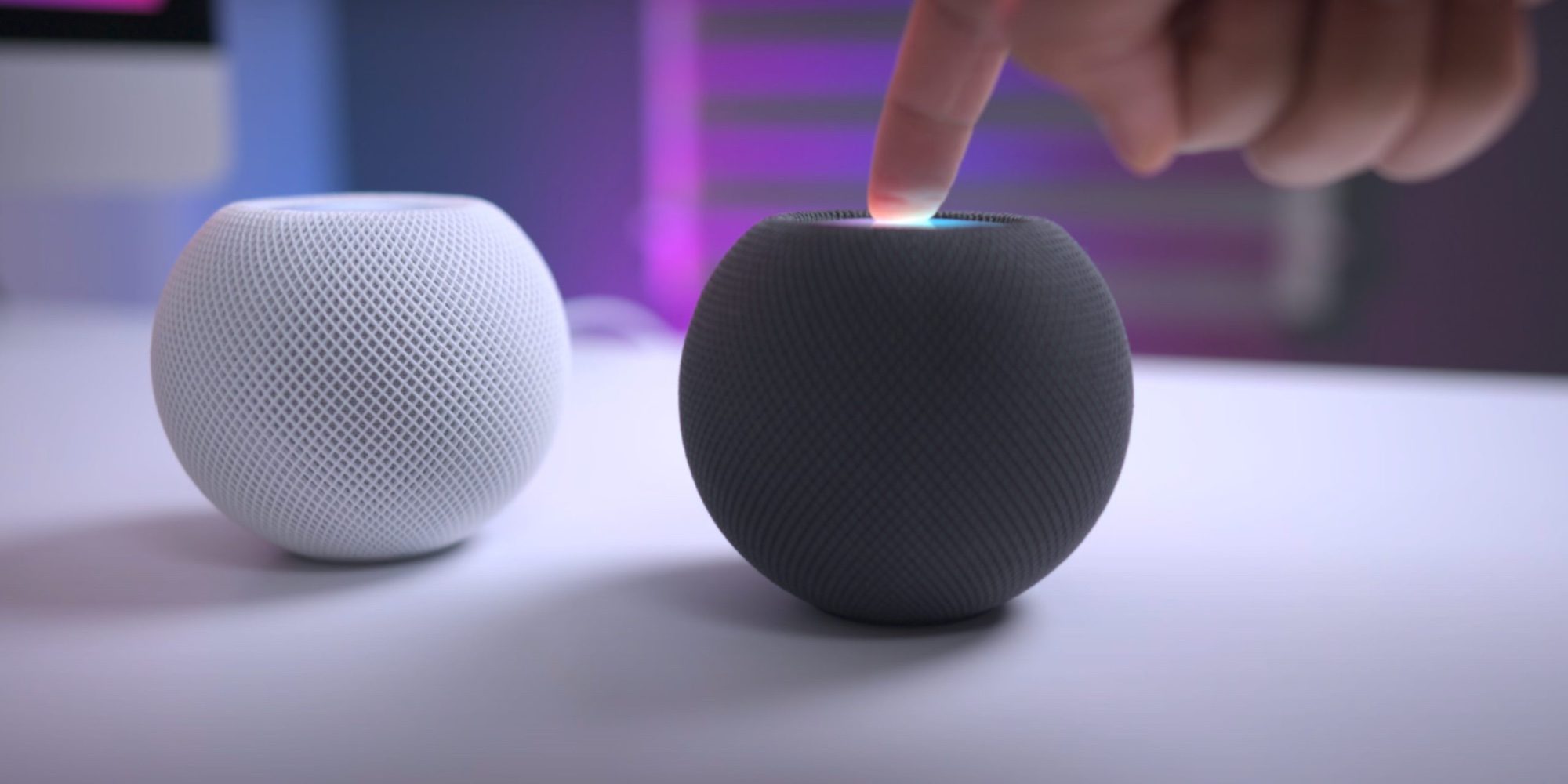
At the core of the rumored October 13 event is a trio of hardware updates, all designed to leverage the company’s recent advancements in artificial intelligence. As Gurman notes, "Apple is planning to hold an event on Oct. 13 to unveil its long-awaited smart home hub with a screen, the new HomePod mini, and an updated Apple TV. All three devices will have Siri AI at the core."

The most anticipated of these is the long-rumored smart home hub—a device that has been the subject of intense speculation for years. Unlike previous iterations of Apple’s home hardware, this new hub is expected to integrate a dedicated display, positioning it as a command center for the modern smart home. By incorporating a screen, Apple intends to bridge the gap between simple voice-controlled speakers and more complex, interactive home automation panels.
Furthermore, the integration of "Siri AI" across the entire lineup is a clear signal that Apple is eager to push its generative AI initiatives beyond the smartphone. By placing these capabilities at the center of the HomePod mini and the updated Apple TV, Apple appears to be aiming for a more cohesive, responsive, and intuitive user experience that transcends individual devices, creating a seamless ecosystem that reacts to the user’s presence and needs.
The Shift from Press Releases to Keynotes
For many industry observers, the question of whether Apple would hold an event for these products has been a subject of intense debate. In recent years, Apple has increasingly moved toward releasing accessories and iterative updates via press releases on its Newsroom portal, saving its high-production-value keynote events for flagship products like the iPhone, Mac, or Apple Watch.
However, the nature of the upcoming product lineup has led many to argue that a simple press release would be a strategic error. John Gruber of Daring Fireball has been a vocal proponent of this view, stating that there was "no way" a device as significant as a dedicated smart home hub would be introduced without a formal announcement. "If this is coming," Gruber wrote, "it has to be unveiled with a keynote video and some sort of media event with hands-on demos."
Gruber’s sentiment reflects a broader understanding of how Apple builds market excitement. A smart home hub with a screen represents a new product category for Apple, requiring education and demonstration to show consumers why they need such a device in their living rooms. A keynote event allows Apple to provide that context, showcasing the "Siri AI" capabilities in real-world scenarios that a static image on a website simply cannot convey.
Gurman’s latest reporting seems to align with this perspective. By explicitly stating that Apple is planning an event rather than a quiet launch, he suggests that the company understands the weight of these new introductions. The move suggests a desire to control the narrative surrounding its AI-powered home strategy, ensuring that the features and benefits of these new devices are understood by both the public and the tech press immediately upon launch.
Leadership and the Potential for Change
The potential October 13 event also serves as a focal point for the leadership of new Apple CEO John Ternus. As the company navigates a changing landscape—both in terms of technological competition and internal management—the way it handles product launches has become a bellwether for its future direction.
Should Apple proceed with a full-scale event, it would signify a commitment to the "Apple event" tradition that has become synonymous with the company’s identity. However, there remains the possibility that the company could adopt a hybrid approach, or perhaps even surprise the industry by deviating from established patterns. Given the rapid pace of change in the tech sector, observers are watching closely to see if Ternus will use this moment to put his own stamp on how Apple communicates its innovations to the world.
If an event is indeed on the horizon for next Tuesday, press invitations are expected to circulate within the coming days. These invitations are often the first concrete confirmation of an event’s nature, style, and scope. Until then, the tech community remains in a state of anticipation, weighing the likelihood of a polished, high-definition presentation against the possibility of a more muted, digital-only announcement.

Implications for the Competitive Landscape
The timing of this event is particularly strategic. By holding an October event, Apple ensures that its new smart home products are front-and-center during the critical pre-holiday shopping season. This timing allows the company to capitalize on the surge of interest in smart home technology during the final quarter of the year, competing directly with rivals like Amazon and Google, both of which have well-established hardware ecosystems.
The emphasis on Siri AI across these devices suggests that Apple is not just interested in selling hardware, but in deepening the integration of its software services into the daily lives of its customers. By making Siri more intelligent and context-aware through these home-centric devices, Apple hopes to retain users within its walled garden, making it increasingly difficult for them to switch to competing platforms.
For consumers, the event represents a potential turning point in how they interact with their living spaces. Whether through the promised smart home hub with its intuitive display or the refreshed HomePod mini, the focus on AI-driven automation promises to make the "smart home" feel significantly less like a novelty and more like a utility.
As the October 13 date approaches, the industry will continue to parse the available information for any further clues. For now, the expectation is that Apple will provide a clear, compelling vision for the future of the home—one that is powered by its latest AI advancements and designed to keep the brand at the forefront of the consumer electronics market. The only remaining question is how Apple will choose to tell that story: through the polished, cinematic lens of a keynote event, or via the quiet efficiency of a digital update. Regardless of the format, the products themselves are poised to be some of the most discussed of the year.