









U.S. federal investigators are intensifying their pursuit of the notorious ShinyHunters hacking collective following a series of brazen cyberattacks, including a high-profile intrusion into FBI systems. As the investigation deepens, authorities have uncovered evidence of an alarming, symbiotic relationship between the hackers and executives at firms specifically tasked with negotiating ransomware payments. Sources close to the probe have revealed that at least one U.S.-based executive allegedly went beyond mere negotiation, actively assisting the criminal group in managing a website designed to coerce victims into paying ransoms.
The ShinyHunters brand, which has claimed responsibility for dozens of significant data breaches since its inception in 2019, has evolved significantly over the years. Originally operated by cybercriminals based in France, the group’s leadership structure shifted as initial members were systematically apprehended and imprisoned. Intelligence suggests that control of the operation eventually fell to a figure known as "Rey," identified last year as a teenage hacker residing in Amman, Jordan. According to FBI assessments, the syndicate’s activities have proven immensely lucrative, with estimates suggesting the group has successfully extorted more than $70 million from victims within the current calendar year alone.
The group’s activities reached a new level of audacity in late September when ShinyHunters compromised the FBI recruitment portal, fbijobs.gov. The hackers taunted federal authorities by threatening to leak a treasure trove of stolen data, which reportedly included sensitive medical and psychological records, Social Security numbers, residential addresses, and specific details regarding the roles and specializations of bureau personnel.

This specific breach served as a catalyst for a high-priority federal response, prompting the FBI to move with unprecedented speed to track down and detain individuals connected to Rey and his associates. On October 3, Reuters reported that Jordanian authorities had detained Rey, who is now reportedly cooperating with the FBI.

The Downfall of a Senior Operator
Rey’s rise to prominence within the group was facilitated by the sudden vacancy left by a senior member. On September 15, 2026, Dutch authorities apprehended Pepijn van der Stap, a convicted hacker and alleged key player in the ShinyHunters operation. The arrest was executed with dramatic precision; police reportedly utilized flash-bang grenades to neutralize Van der Stap while he was actively logged into various online accounts.
Crucially, investigators caught the suspect while he was using the encrypted messaging application Signal. This provided authorities with direct access to his recent communications, which included frequent interactions with ransomware negotiators based in both Canada and the United States. According to sources familiar with the investigation, these messages served as the smoking gun in uncovering a broader criminal network, including a potential murder-for-hire plot. Dutch news outlet RTL reported that the intelligence gathered suggested Van der Stap had issued orders for two contract killings to be carried out abroad, though there is no evidence that these orders were ever executed.
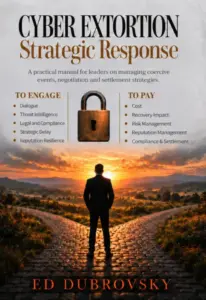
The ripple effects of this arrest reached the executive level of the cybersecurity industry on October 9, when the FBI arrested Edward Dubrovsky, a 54-year-old Canadian cybersecurity executive. Dubrovsky, who recently authored a book on cyber extortion that advocated for engaging with attackers, faces charges related to threatening to disclose stolen data and interfering with interstate commerce through extortion. Court records indicate that prosecutors have sought to keep Dubrovsky in custody pending trial, with several case documents remaining under seal.
Investigators allege that Van der Stap’s Signal messages reveal that Dubrovsky and at least one executive at a major U.S.-based consulting firm maintained a disturbing level of contact with the hackers. The data suggests that these executives were often privy to the details of new ShinyHunters breaches before the victim organizations themselves were even aware they had been compromised. Perhaps most damning, evidence indicates that Dubrovsky was aware that ShinyHunters had exfiltrated highly sensitive data from FBI servers but failed to notify the bureau, even as the hackers publicly threatened to release the agency’s internal files.

The "Shinywire" Extortion Machine
A critical finding in the ongoing probe is the existence of "shinywire[.]com," a now-defunct website that served as a central hub for the group’s extortion efforts. Investigators believe that at least one executive at a prominent U.S.-based consulting firm—a company with more than 1,000 employees—played an active, operational role in maintaining this site.
The website, which was active between May 3 and October 16, 2026, functioned as a digital shaming board, cataloging nearly 100 organizations that had been targeted by the group. Each entry featured samples of stolen data and provided a direct channel for victims to negotiate payment, accompanied by a stark ultimatum: pay within seven days or face the public release of the stolen information on a Tor-hidden leak site. Among the companies listed on the site was the American medical technology firm Intuitive Surgical, which suffered a major breach in March 2026 after an employee fell victim to a targeted phishing campaign.
Legal proceedings in Ontario have provided further insight into the fractured business landscape that preceded these arrests. Prior to his arrest, Edward Dubrovsky had filed a lawsuit against Daniel Tobok, the former CEO of the Toronto-based cybersecurity firm Cypfer. The lawsuit alleged that Dubrovsky had become "collateral damage" in a personal vendetta led by Tobok. In his counterclaim, Tobok accused Dubrovsky of misappropriating confidential information and engaging in unfair competition through a separate entity, CyberSteward Inc.
The Ghostbyte Connection
Interviews with former colleagues suggest that Daniel Tobok had been linked to ransomware circles for years under the alias "Ghostbyte." Evidence from a 2018 investigation into a Dharma ransomware incident shows that the group explicitly directed a victim to contact a specific Canadian IT professional to guarantee that their data would be returned if a ransom were paid. The email address provided by the attackers, [email protected], is linked to online accounts associated with Tobok.

While Tobok has not responded to requests for comment, the overlap between these industry players and the criminal underworld has raised significant alarms. In a recent statement, Cypfer distanced itself from the current controversy, stating that the company does not facilitate ransomware payments and that it had no prior knowledge of Dubrovsky’s arrest. The firm noted that it had recently been acquired by the Apros Group, led by former FBI special agent Jason Hogg, and emphasized that it is not the target of any ongoing law enforcement investigations.
Conflicting Interests in the Ransomware Ecosystem
The legal landscape regarding ransomware payments is complex. While it is not inherently illegal in the United States to pay a ransom for an encryption key or the deletion of data, victim organizations face significant legal peril if they pay groups sanctioned by the U.S. Treasury. Currently, ShinyHunters is not on the sanctioned list, but the ethical and operational risks remain profound.
Industry experts observe that many incident response firms are incentivized by a "percentage-of-payment" model, where the negotiator’s fee is tied to the total amount of the ransom. Mark Camillo, CEO of the industry group CyberAcuView, argues that this structure creates an inherent conflict of interest. "There needs to be more transparency in the process as no one in the ecosystem should be profiting purely on the size of the ransomware transaction," Camillo stated.
The consequences of paying these groups are often futile. When the education technology company PowerSchool paid a $2.85 million ransom following a massive breach in 2024, the payment did not prevent the further abuse of the stolen data. By the following year, school districts began reporting new extortion demands using the same stolen files. Leading response firms like Coveware and Unit 221B have consistently urged victims to refuse payment, noting that hackers frequently retain, resell, or continue to extort victims regardless of the initial transaction.

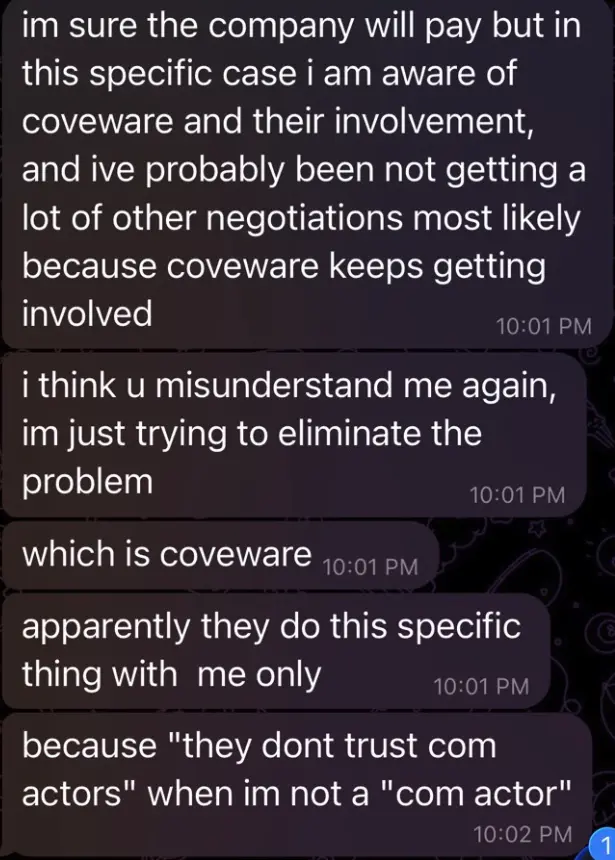
The frustration of the criminal group with these anti-payment advocates is evident in internal communications. Leaked Telegram chats from early 2026 reveal the ShinyHunters leadership complaining that firms like Coveware were "harming the group’s payment rates" and actively discussing strategies to "eliminate the problem."
As federal authorities continue to dismantle the infrastructure surrounding ShinyHunters, the investigations into the roles played by legitimate cybersecurity executives highlight a disturbing trend: the erosion of professional boundaries in the lucrative, high-stakes world of ransomware remediation. With the Department of Justice increasingly targeting negotiators who allegedly conspire with criminals to defraud their own clients, the industry faces a reckoning over the ethics of paying for stolen data.