



The vibrant online community surrounding Opensource.com has been remarkably quiet lately, but that silence is purposeful. Behind the scenes, the community is hard at work on something entirely new. While specific details regarding this upcoming project remain under wraps for the time being, the anticipation has given community members plenty to discuss. What better way to launch a conversation about the future of open source, collaboration, and digital identity than by examining the very foundation of the internet itself?
The Internet, and Top-Level Domains
To understand where the open source community is heading, it helps to look at where the digital world began. Most people already know that the internet is, fundamentally, a network. By definition, a network is simply a group of interconnected connections. In fact, the word "internet" itself is a portmanteau derived from "interconnected" and "network."
In its earliest days, the internet consisted of just two primary networks: a military network and an academic network. These closed ecosystems served specialized purposes for researchers and defense personnel. However, once the internet began to grow in popularity and expand far beyond those initial boundaries, it quickly became apparent that different designations were desperately needed. Officials and engineers needed a way to differentiate a commercial enterprise from a charitable organization, a university from a governmental department, or an individual hobbyist from a major corporate entity.
These essential designations came to be known as top-level domains, or TLDs. Today, internet users can choose from a vast and complex ecosystem of available extensions, ranging from industry-specific suffixes to geographic codes. For a long time, however, the digital landscape was defined by only a handful of original TLDs. These original designations remain exceptionally popular and form the navigational bedrock of the modern web. Most internet users instinctively understand that when they visit an address ending in .com, they are navigating to a commercial site, whereas visiting a .org address typically leads to a non-profit organization dedicated to a specific cause or community mission.
Open Source Is a Network
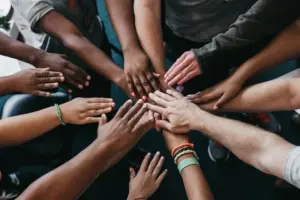
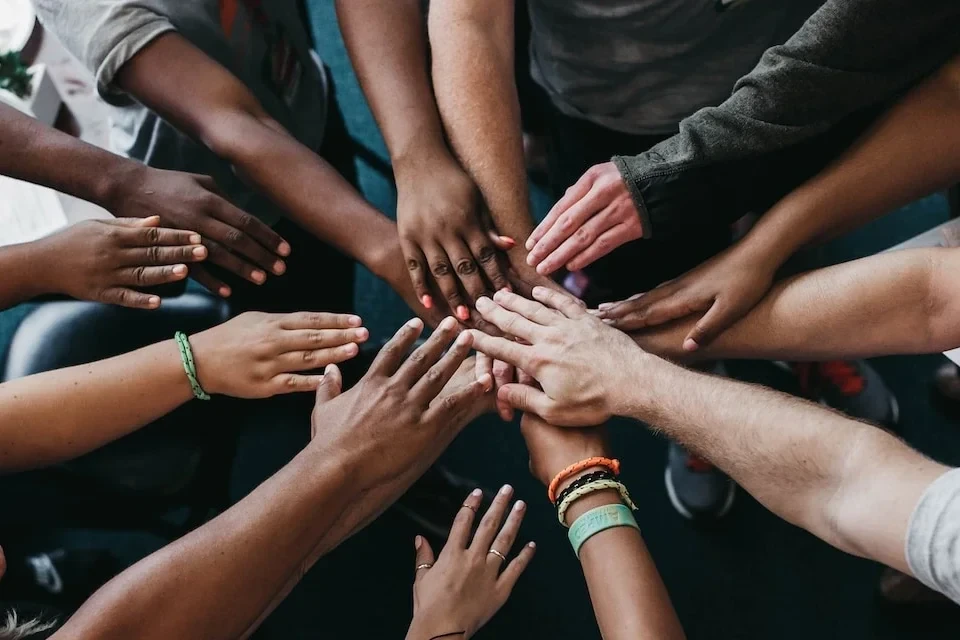
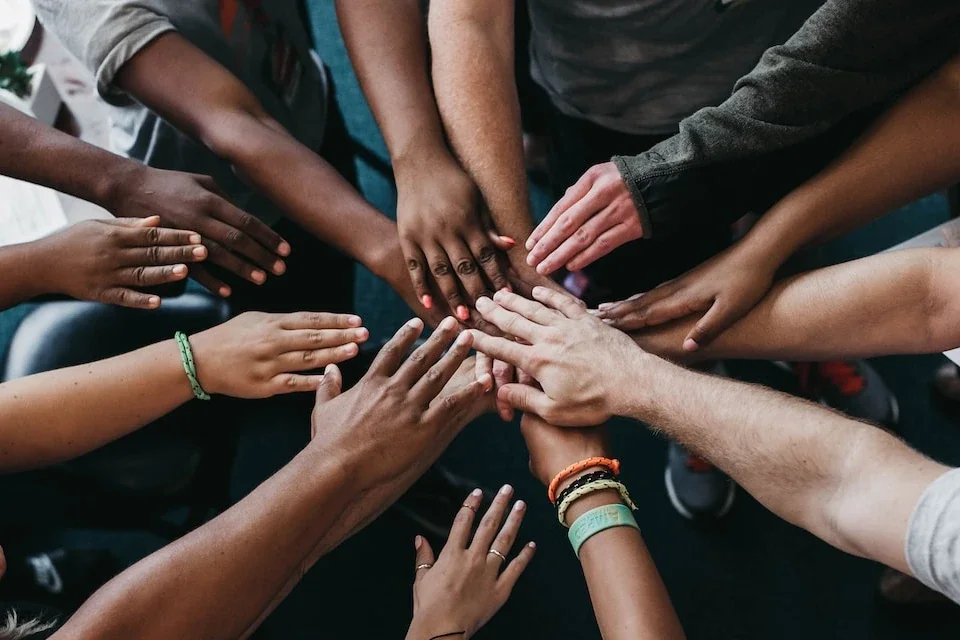
Just as the internet relies on a network of interconnected digital nodes, the open source movement relies on a network of human connections. Open source can take on many different forms, spanning commercial enterprises, non-profit organizations, academic institutions, and cultural initiatives. No matter what form it ultimately assumes, open source is always, at its core, a network.
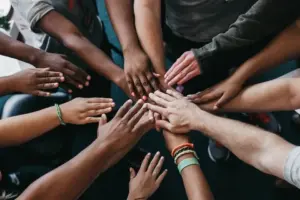
Sometimes that network is literally composed of computers and servers running collaborative code repositories, but most importantly, it is a network of people. Whether contributors, developers, and advocates are gathering together in person at a massive international conference, chatting casually at a local pub, or collaborating in an online chat room, the open source ecosystem is defined first and foremost by its community of human beings.

For the past twelve years, the website Opensource.com has been supported and sustained by a commercial entity. That corporate backing provided a stable platform for sharing ideas, success stories, and technical insights. Yet, the people who actually comprise the heartbeat of the Opensource.com community—the writers, editors, advocates, and readers—are not commercial entities. They are simply people, united by a shared passion for open principles, collaborative creation, and the free exchange of knowledge.
Now, a significant shift is on the horizon. In exactly one month, Opensource.com is going to resolve that fundamental misalignment and embark on its next major evolution. Community members and open source enthusiasts have been advised to stay tuned as more announcements unfold regarding the upcoming project and the future of the platform.
Opensource.com has long published stories dedicated to the art and practice of creating, adopting, and sharing open source solutions across industries and societies. As this new chapter approaches, the community continues to look forward, building upon more than a decade of shared history while preparing for the next phase of its journey.