







For over a decade, the promise of the "smart home" has been overshadowed by a persistent, nagging reality: fragmentation. While consumers have been sold the dream of a seamless, automated environment, the actual experience often involves managing a dozen different manufacturer applications, navigating inconsistent update schedules, and dealing with devices that effectively become "dead weight" once their native software support lapses. Firmware updates—the critical patches that keep our lights, locks, and sensors secure and functional—have historically been the weakest link in the chain.
Homey, a leader in the smart home hub market, has just announced a significant shift in how these devices are maintained. By centralizing the update process for Matter, Z-Wave, and Zigbee devices, Homey is effectively removing the manufacturer-specific barriers that have long frustrated enthusiasts and average users alike. This development is particularly notable for Apple Home users, who have long sought a more cohesive way to manage the disparate devices living within their networks.
Centralized Device Management: A New Standard
The core of Homey’s new update feature is simplicity: the ability to trigger firmware updates for Matter, Z-Wave, and Zigbee devices directly from the Homey Mobile App or Web App. Historically, if a user wanted to update a smart lock or a light sensor, they were often forced to hunt down the specific manufacturer’s application, log in, navigate through obscure settings, and hope the update process didn’t fail midway.

With Homey’s new system, this friction is eliminated. Whether it is applying a security patch to a Z-Wave lock or improving the responsiveness of a Zigbee sensor, the process is now handled entirely within the Homey ecosystem. Users simply initiate the update, and the Homey platform manages the delivery, monitors the progress, and issues a notification once the device is fully patched and operational. This is accessible through the "More" section within the Homey app, specifically under settings and individual device maintenance menus.
For Z-Wave and Zigbee hardware, the availability of these updates still relies on the manufacturer providing the necessary software. However, the ecosystem of support is already robust. At launch, Homey has secured partnerships with a significant list of vendors, including IKEA, Aeotec, INNR, Niko, Inovelli, Zooz, frient, ThirdReality, EcoDim, HeatIt, Namron, amina, CTM Lyng, and Nous. By streamlining the delivery of these updates, Homey is not just making life easier for the end user; it is providing a compelling incentive for developers to prioritize maintenance, thereby making the entire smart home landscape more reliable and secure.
Stefan Witkamp, CEO at Athom, emphasized the necessity of this shift during the announcement. "Device firmware rarely gets updated because the process is cumbersome," Witkamp noted. "By handling device updates inside Homey, we make it practical for both users and developers. That makes the whole smart home more dependable."
The Matter Advantage: An Independent Update Path
While the support for Z-Wave and Zigbee is a major win, the most significant long-term development lies in how Homey handles Matter devices. In this context, Homey has successfully bypassed the need for manufacturer-specific applications entirely.
The mechanism behind this is the Connectivity Standards Alliance’s (CSA) Distributed Compliance Ledger (DCL). The DCL acts as a trusted, public registry for all products certified under the Matter standard. When a Matter device requires a firmware update, Homey consults this ledger to identify available versions, download URLs, file sizes, and checksums. By accessing this standardized, neutral repository, Homey can retrieve the firmware directly from the manufacturer’s server and deliver it to the device using Matter’s native Over-the-Air (OTA) update mechanism.

This is a profound departure from the status quo. Because the update path is built into the Matter protocol itself, it is no longer tethered to a specific company’s cloud service or mobile app. This ensures that the update process is transparent, verified by the certifying body, and technically open to any compliant Matter controller. It is a realization of the original vision for the Matter standard: a protocol that functions independently of the platform, ensuring that a device’s longevity is not determined by the health or business decisions of its original manufacturer.
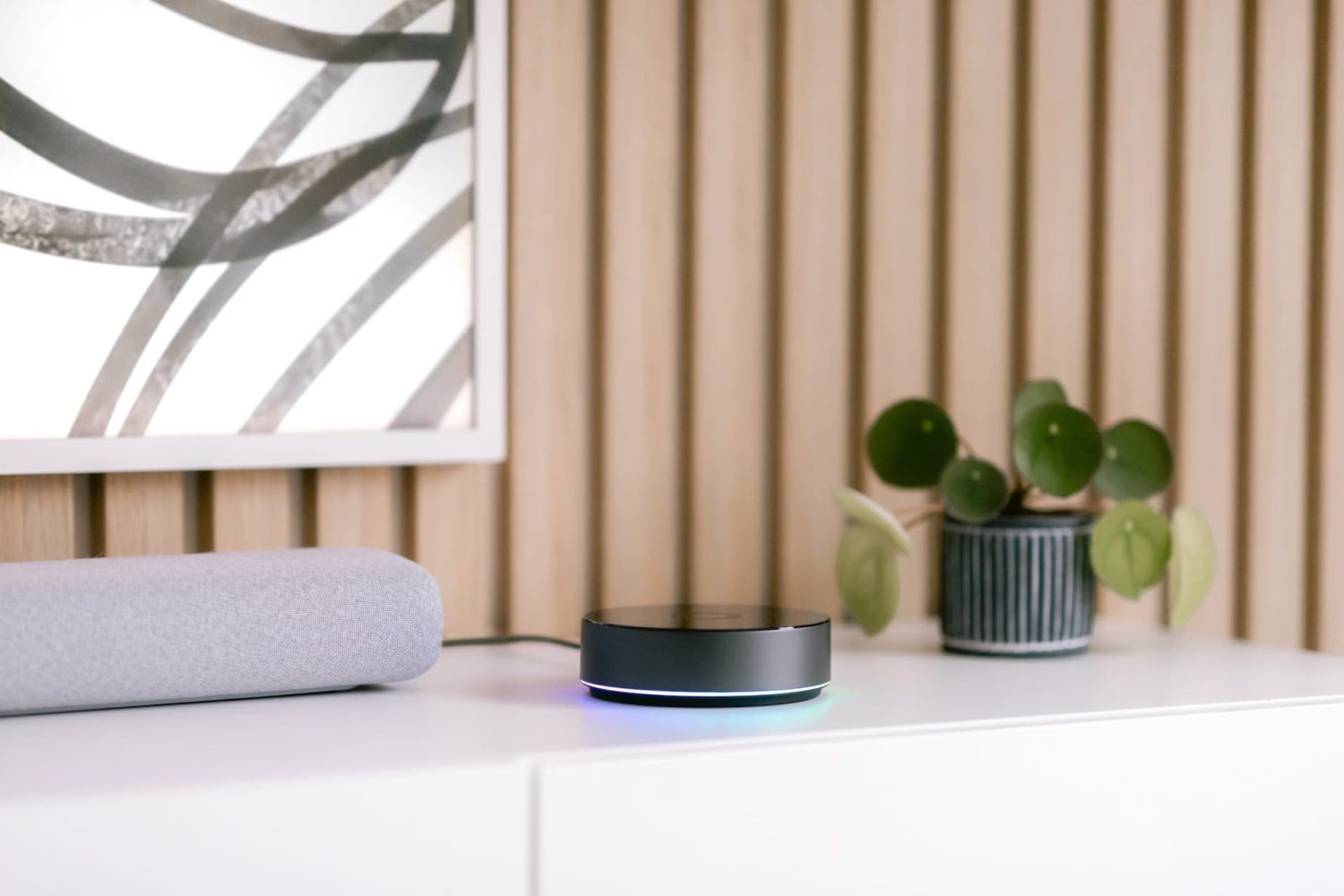
This functionality is available across the Homey lineup, including Homey Cloud, Homey Pro (2023 through 2026), Homey Pro mini, and the Homey Self-Hosted Server, provided users are running version 13.2.0 or later of the Homey mobile application.
Broadening Compatibility: Eve Systems and the Power of Matter
The utility of these updates is amplified by another major milestone: the integration of Eve devices into the Homey ecosystem. Eve has long been celebrated as one of the most privacy-conscious brands in the smart home space, distinguished by its commitment to local control—no cloud, no user tracking, and no required registration. Until now, Eve was largely synonymous with the Apple Home ecosystem.
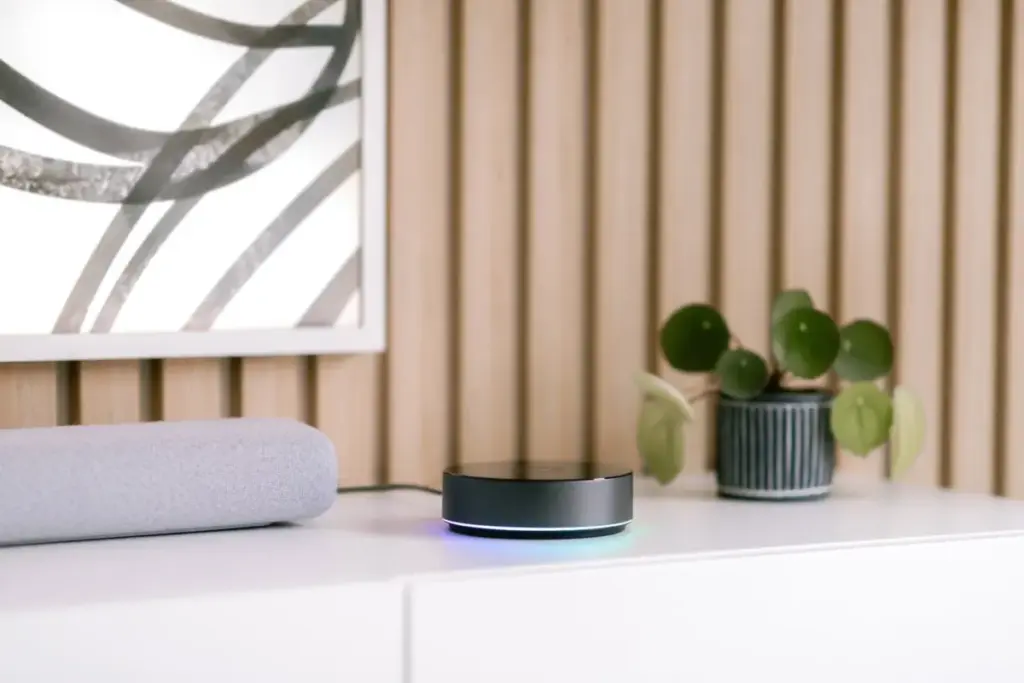
With the latest iteration of Homey Pro and Homey Pro mini functioning as Matter Controllers and Thread Border Routers, Eve devices—including the popular Eve Energy, Eve Door & Window, Eve Motion, Eve Thermo, Eve Weather, and Eve MotionBlinds—now work seamlessly with Homey.

For current Apple Home users who rely on Eve, this development does not necessitate a change in their current setup. However, it highlights the true promise of the Matter standard. By leveraging the Thread and Matter foundation, Eve products have become portable across different smart home platforms. This interoperability serves as a concrete example of how the smart home industry is shifting from restrictive "walled gardens" to a more open, protocol-driven future.
Moving Beyond the Walled Garden
For years, the smart home industry has been criticized for over-promising and under-delivering on interoperability. While the "Big 3" platforms have dominated the conversation, simply having a device work with a popular voice assistant or app was often a hollow victory that masked underlying issues of maintenance and security.
Homey’s latest update represents a mature step forward for the industry. By utilizing the Matter Distributed Compliance Ledger, Homey is demonstrating that the long-term benefits of the Matter standard are not just about initial setup and pairing, but about the lifecycle management of connected devices.
While Matter has faced criticism for a slower-than-expected rollout and the inevitable complexities of standardizing dozens of different hardware types, features like universal firmware updates provide a clear justification for its existence. It shifts the burden of maintenance away from fragmented, proprietary apps and toward a standardized, secure, and neutral framework. As the smart home continues to evolve, these behind-the-scenes improvements to how devices are updated and maintained will likely be remembered as the moment the industry finally began to prioritize the longevity and reliability of the connected home.