









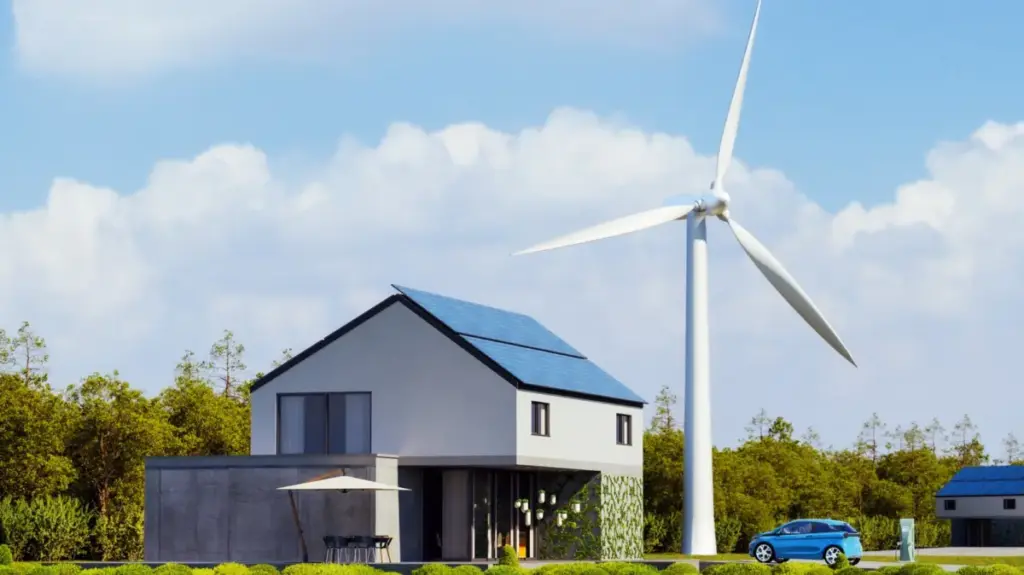
It all depends on the wind. While solar energy has rightfully captured the spotlight in the race toward sustainable residential power, with record-breaking installations and declining costs, small-scale wind energy often finds itself lingering in the shadows. For homeowners looking to diversify their energy portfolio or achieve greater independence from the power grid, the question of whether a small, 1kW wind turbine is a viable investment is a common one. The answer, however, is a nuanced and highly conditional "yes."
To understand the feasibility of home wind power, one must first dismantle the misconception that these systems are "plug-and-play" solutions for every property. Wind energy is inherently site-specific, and its effectiveness is tethered to factors that vary wildly from one zip code—or even one backyard—to the next. While manufacturers have successfully developed compact turbines designed for niche applications, such as powering RVs or small camping setups, scaling these solutions to meet the demands of a modern household requires a much more rigorous assessment of geography, local climate, and energy consumption patterns.
Understanding Peak Power vs. Actual Output
A critical hurdle for many prospective wind energy users is understanding the difference between "peak" power ratings and actual, real-world energy production. A 1kW turbine is marketed based on its peak capacity—the maximum output it can generate under ideal, laboratory-perfect conditions. In reality, wind speeds are rarely consistent or optimal. Consumers often mistake a 1kW rating for a guarantee of 1kW of continuous power, which leads to significant disappointment when the system fails to offset their electricity bills as expected.

Instead of focusing on peak wattage, potential buyers should prioritize annual or monthly energy production metrics, which are expressed in kilowatt-hours (kWh). In a carefully selected location with consistent, high-velocity wind, a 1kW turbine might realistically produce around 200 kWh per month, totaling approximately 2,400 kWh per year. To put that into perspective, the average U.S. household consumes roughly 10,500 kWh annually. A 1kW system, therefore, would provide less than a quarter of the average home’s energy needs. It is best viewed not as a primary power source, but as a supplemental tool for an already energy-efficient home.
The decision to install such a system hinges almost entirely on local wind resources. If you reside in an area where annual wind speeds consistently average 14 mph or higher, the prospect becomes significantly more attractive. However, in regions where wind is sporadic or light, the return on investment diminishes rapidly. The technology is not inherently "weak," but its performance is hostage to atmospheric conditions that are often beyond a homeowner’s control.
Why Placement Determines Success
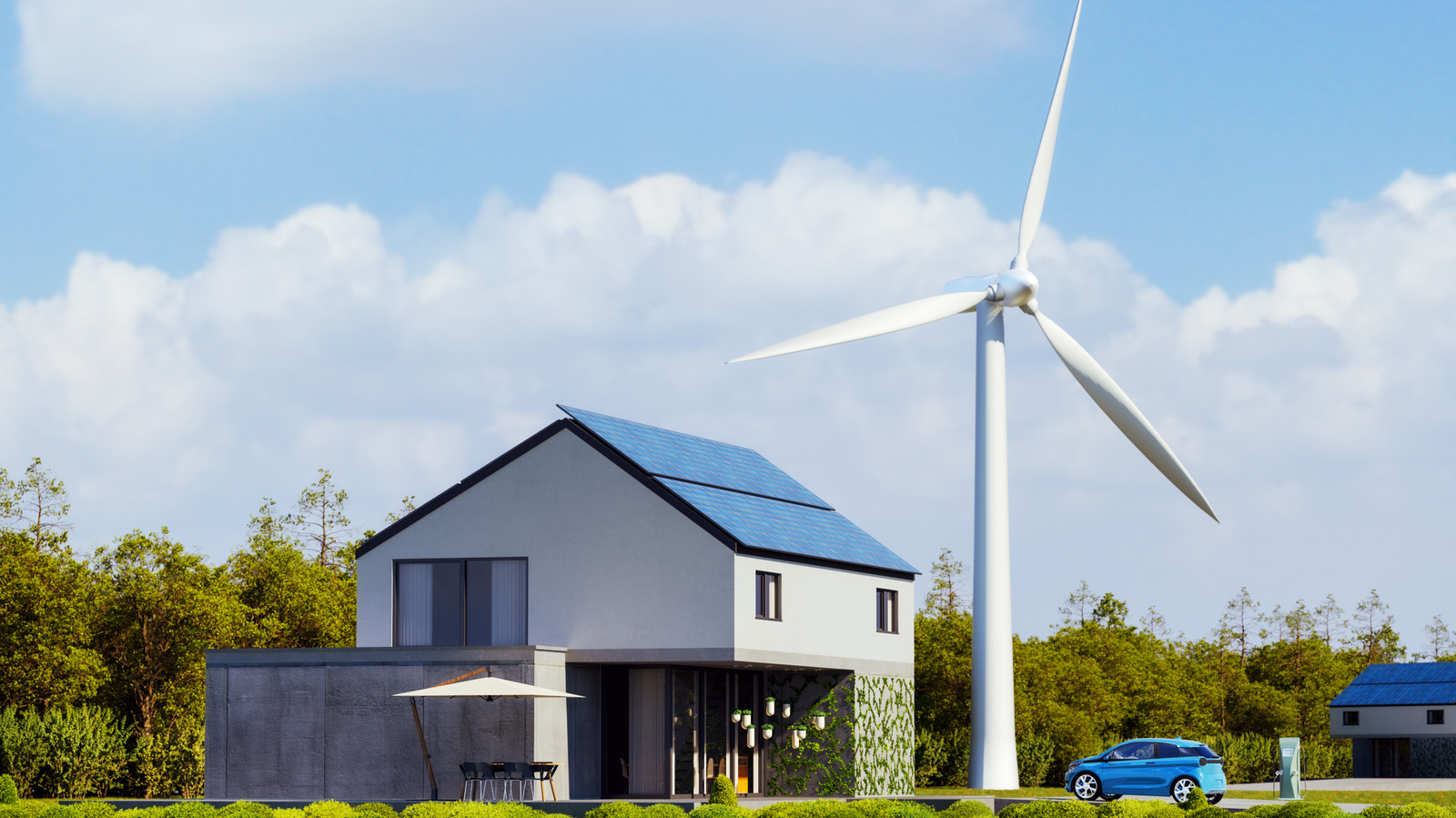
The most significant barrier to the effectiveness of a residential wind turbine is physical obstruction. Wind power requires a "clean" flow of air; when wind encounters obstacles like trees, residential buildings, or hills, it slows down and becomes turbulent. Turbulence is the enemy of wind energy, as it not only drastically reduces the turbine’s output but also increases the mechanical stress on the blades and bearings, leading to accelerated wear and tear.
The U.S. Department of Energy provides specific guidance for the installation of small wind systems, recommending that the bottom of the turbine rotor be at least 30 feet above any obstacle within a 300-foot horizontal radius. For the average suburban homeowner, this recommendation effectively renders wind power impractical. Achieving that level of clearance in a neighborhood setting is often impossible, both because of the physical constraints of the land and the strict zoning laws that govern building heights.
Local zoning ordinances typically cap structures at roughly 35 feet. If a turbine requires 30 feet of clearance above surrounding trees and houses, it would likely need to be mounted on a tower significantly taller than local codes allow. Furthermore, while the concept of a rooftop-mounted turbine sounds convenient, it is frequently a recipe for frustration. Turbines produce vibrations that can travel directly into the structure of a home, creating persistent noise and structural concerns that make for a less-than-ideal living environment.
If you are committed to exploring wind power, you must look beyond the simplified color-coded maps provided by regional energy departments. Prospective owners should conduct a professional site assessment that accounts for local zoning rules, utility interconnection regulations, and a thorough analysis of wind direction and turbulence. Engaging a professional installer to provide a realistic production estimate before committing to a purchase is an essential step in avoiding a costly mistake.
The Scale of Whole-House Power
For those looking to fully power a standard residential home, a 1kW system is insufficient. As previously noted, the average American home demands about 850 kWh per month. To make a meaningful impact on that consumption, homeowners would likely need a system in the 5 kW to 15 kW range. Moving to this scale significantly increases the logistical and financial requirements of the project.
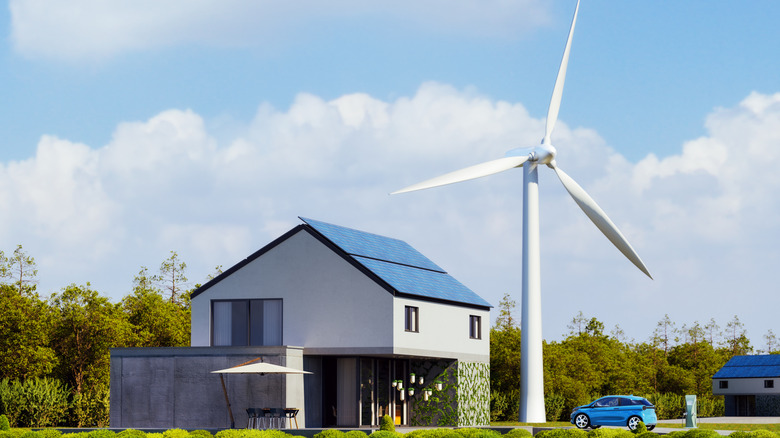
Cost remains the most formidable barrier to entry for residential wind. Installing a robust, utility-grade wind system can cost between $20,000 and $50,000, depending on the complexity of the tower, permitting, and grid interconnection. When compared to the cost of solar energy, the economic argument for wind in a residential setting often falters. Solar panel installations with equivalent energy production targets typically range from $2,500 to $3,500—a figure that is often even lower once federal and state tax incentives are factored into the equation.
The complexity of the system design also varies based on the setup. A grid-connected system requires an inverter to synchronize with the utility, allowing the homeowner to offset their electricity costs when the wind is blowing. Conversely, an off-grid system requires a more substantial investment in battery storage and charge controllers to manage power when production is low or absent.
For the vast majority of suburban dwellers, the most efficient path to sustainability remains a combination of improving home insulation and installing solar panels. Solar energy offers more predictable and consistent results for most residential locations. Wind power, while a compelling technology, remains a niche solution best reserved for rural properties with ample open land, consistent wind profiles, and the space necessary to erect a tower that can clear the turbulent air near the ground. Without those specific environmental and spatial advantages, the promise of a small-scale home wind turbine often fails to meet the reality of the utility bill.