









For the majority of iPhone users, the Messages app serves as the digital hub of their daily lives. It is the primary gateway for personal communication, a repository for two-factor authentication codes, and a central platform for sharing media with friends and colleagues. Because of its ubiquity, Apple has treated the application as a centerpiece of its software strategy, consistently refining the user experience with new features, aesthetic updates, and backend optimizations. As we look at the trajectory of Messages from iOS 26 to the latest iterations in iOS 27, it becomes clear that Apple is attempting to strike a delicate balance between adding creative, user-facing tools and maintaining the rock-solid reliability that a primary communication app requires.
Reflecting on the Advancements of iOS 26
Last year’s release of iOS 26 represented a significant milestone in the development of the Messages app. Apple introduced a suite of features that fundamentally altered how users interact within their conversations. The updates were designed not only to make the app more capable but also to make it more expressive. By integrating deeper customization options for Memoji, expanded support for shared content, and more intuitive ways to manage threads, Apple sought to ensure that Messages could compete with the rising popularity of third-party messaging platforms.
One of the standout themes of the iOS 26 update was the focus on organization and content discovery. As users began to accumulate thousands of messages, the burden of finding specific information—such as a link shared weeks ago or a photo sent during a vacation—became increasingly difficult. The enhancements rolled out during this period focused on smarter search capabilities and better pinning options, allowing users to keep their most important conversations at the forefront of their digital experience. These changes were well-received, as they addressed the practical pain points of a long-term user base that has come to rely on the app as an essential archival tool.

The Shift Toward Performance and Reliability in iOS 27
With the transition to iOS 27 this year, the philosophy driving the development of the Messages app has shifted toward a more mature, stability-focused approach. While earlier versions were defined by the rapid introduction of flashy new capabilities, iOS 27 is headlined by a rigorous commitment to performance improvements and the eradication of long-standing bugs. For many power users, this is a welcome change. The app is faster, more responsive, and less prone to the minor hitches that can occur when an application is overloaded with too many experimental features.
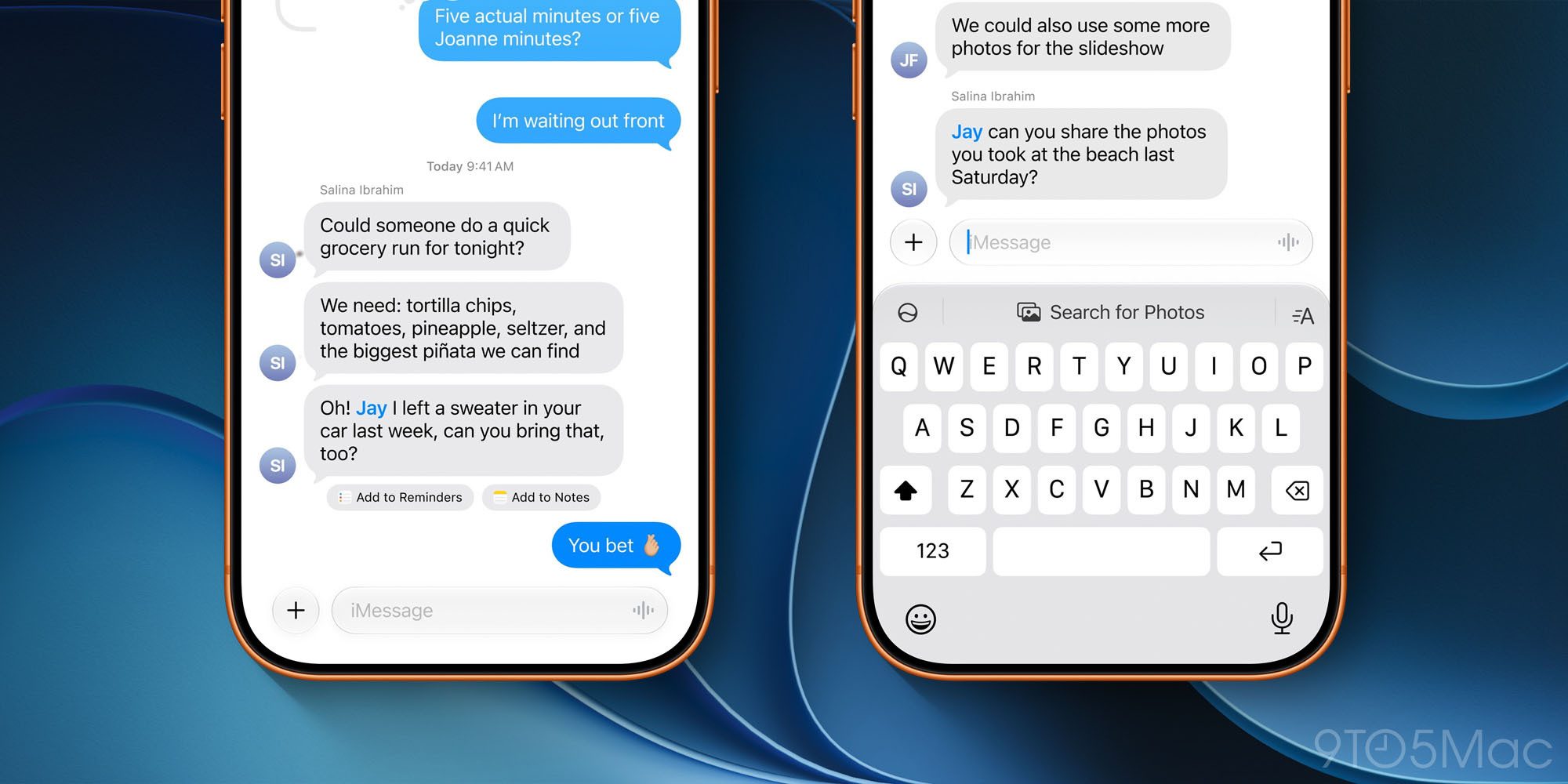
The performance-oriented nature of the current update suggests that Apple is listening to feedback regarding the stability of its software ecosystem. By prioritizing the "under-the-hood" aspects of the app, such as faster message syncing across iCloud and reduced latency when loading media-heavy threads, the company is ensuring that the foundation of the Messages experience remains robust. This focus on polish does not mean that innovation has halted; rather, it indicates a more deliberate strategy where quality control is elevated to the same level of importance as feature development. This shift is vital, especially as the app becomes increasingly integrated with other system services like Apple Intelligence and third-party app extensions.
Enhancing Cross-Platform Communication via RCS
Perhaps the most significant development in the broader messaging landscape—and one that continues to evolve within the Apple ecosystem—is the implementation of Rich Communication Services (RCS). For years, the divide between iMessage and SMS/MMS created a friction-filled experience for users communicating with those on Android devices. The classic "green bubble" experience, which lacked features like high-resolution media sharing, typing indicators, and read receipts, was a point of contention for many.

Apple’s ongoing work to improve its implementation of RCS is effectively bridging this divide, fostering a more seamless communication experience regardless of the hardware a user’s contacts might own. The most notable advancement in this area arrived recently with the confirmation that Apple has officially added support for end-to-end encryption when utilizing the RCS protocol. This move is a major win for privacy advocates and general users alike, as it ensures that the security standards Apple users expect from iMessage are now being extended to their cross-platform interactions.
By prioritizing end-to-end encryption, Apple is demonstrating that it views the security of its users’ data as paramount, even when communicating outside of its own proprietary walled garden. This development represents a long-term commitment to interoperability without sacrificing the core security principles that have defined the iPhone’s reputation. As RCS adoption continues to mature, the distinction between messaging on iOS and Android is becoming less about technical limitations and more about personal preference, which is a significant departure from the frustrations that characterized the landscape only a few years ago.

Looking Ahead: The Future of Messaging on iPhone
As the Messages app continues to evolve, the challenge for Apple will remain the same: how to keep the interface simple and intuitive while accommodating a rapidly growing list of features. With each update, there is a risk of "feature creep," where the app becomes cluttered and difficult to navigate for the average user. The current trend toward refining performance and tightening security suggests that Apple is keenly aware of this risk.
Looking at the current state of the app, it is clear that the focus has moved toward creating a more cohesive, secure, and reliable communication platform. Whether it is through the subtle refinement of one-tap suggestions that help users respond faster, or the complex backend work required to secure cross-platform RCS chats, Apple’s roadmap for Messages is centered on the user’s needs.

For the community of iPhone users, the conversation is far from over. As technology continues to change, so too will the ways in which we communicate. Features that once seemed futuristic—like real-time collaborative editing within a chat or advanced AI-driven message summarization—are now becoming part of the standard experience. The ongoing discourse surrounding these changes, whether in online forums or directly through feedback to Apple, plays a critical role in shaping the future of the app.
As Apple moves forward, the success of the Messages app will likely continue to hinge on its ability to remain the most reliable, secure, and user-friendly option for the millions of people who reach for their iPhones every time they need to connect with someone. The commitment to fixing bugs, optimizing performance, and expanding secure cross-platform standards is a testament to the fact that, even after all these years, Apple recognizes that the simple act of sending a message is one of the most important things a smartphone can do.