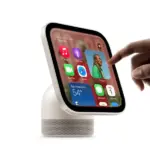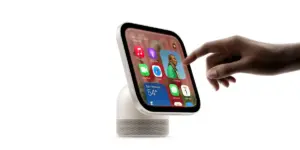



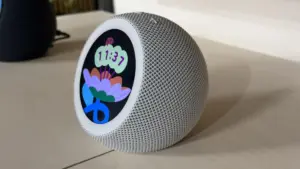



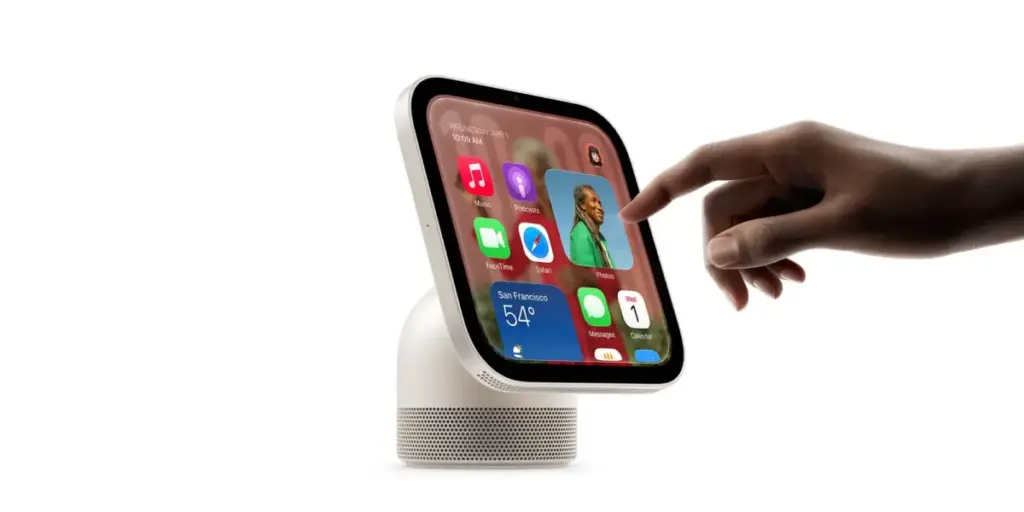
Apple’s latest hardware foray, the HomeView, has begun reaching customers, but early adopters are discovering that the device’s integrated Podcasts experience is not as comprehensive as they might expect. While the platform is designed to provide a seamless media consumption experience, a specific technical limitation—first observed in the broader Apple TV ecosystem earlier this year—is causing certain podcast feeds to go missing. For users who rely on custom RSS links or manually added URLs to keep up with their favorite niche content, this discovery marks a frustrating inconsistency in the otherwise polished HomeView interface.
The issue stems from a compatibility conflict that traces its roots back to the release of tvOS 27. When Apple deployed this significant software update, it introduced a new feature designed to enhance the viewing experience: native playback support for HLS-based video podcasts. While this was a welcome addition for many, allowing for smoother streaming of high-quality video content directly on the Apple TV 4K, it appears to have inadvertently broken a long-standing functionality in the Podcasts app. The update introduced a persistent bug that prevents the application from properly syncing and displaying shows that have been added manually via URL.
For the uninitiated, the ability to add a podcast feed via URL is a cornerstone feature for many power users. While the vast majority of mainstream podcasts are hosted on Apple’s internal directory, many creators—particularly those producing independent, subscription-based, or private content—distribute their shows via custom RSS feeds. These feeds are often provided to listeners as part of a paid membership or a premium experience. On iPhone, iPad, and Mac, the Apple Podcasts app has long allowed users to simply paste these URLs into the app to subscribe to the feed, ensuring that new episodes appear alongside their standard library.

On the HomeView, however, this capability is effectively sidelined. Users who have spent time meticulously building their library on other Apple devices are finding that their manually added content is failing to populate on the new hardware. The HomeView appears to be inheriting the exact same architectural limitations found in the current tvOS 27 environment. Consequently, if a user attempts to access a show that was added via URL, the app fails to authenticate or display the feed correctly, leading to a noticeable gap in their library that differs from what they see on their phone or computer.
The dichotomy between content types is stark. The system is clearly optimized for Apple’s preferred delivery formats; video podcasts utilizing HLS (HTTP Live Streaming) technology function flawlessly, providing the high-fidelity, adaptive streaming experience that Apple is known for. The discrepancy between how the app handles these native, HLS-supported video feeds versus manually added URL feeds creates a fragmented experience. It forces a subset of the user base to choose between using the convenience of the HomeView hardware and maintaining access to their preferred, non-directory-based podcasts.
This issue has not gone unnoticed by the developer community and observant users who track software stability. As of the release of the tvOS 27.3 beta 1, there has been no indication that the bug has been addressed. The problem persists across the Apple TV 4K 2nd-gen and all newer hardware iterations, suggesting that this is a systemic software issue rather than a hardware-specific flaw. For owners of the HomeView, which shares the underlying software philosophy of the Apple TV, this creates a situation where the device is effectively running a feature set that is currently hampered by a known defect.

Interestingly, the situation serves as a reminder of how software versions can affect different generations of hardware differently. Because the original, first-generation Apple TV 4K is not compatible with the more recent iterations of the tvOS 27 cycle, those users remain unaffected by the bug. On those older units, URL-based subscriptions continue to function as intended, provided they do not attempt to utilize the newer HLS-based video feeds that the system is not optimized to handle. It is an ironic inversion: the newer, more powerful hardware is currently less capable of handling the full breadth of the user’s library compared to the older, legacy devices.
For many, the HomeView is intended to be a centralized hub for smart home control and media consumption, meant to sit in a prominent location in the household. When users find that their curated content is suddenly inaccessible, it disrupts the intended "just works" experience that is central to Apple’s brand promise. The Podcasts app, which should be a primary use case for such a device, feels incomplete when entire categories of shows—especially those that are often the most valuable to the listener, such as paid or exclusive subscriber feeds—are simply missing from the interface.
There is, at this stage, no simple workaround for users affected by the bug. Because the synchronization is handled at the account level through iCloud, the app naturally attempts to pull in the full breadth of a user’s library. When it encounters the URL-based feeds, the current software build simply fails to render them. Users who rely on these feeds are currently left to either wait for a future software update that rectifies the bug or continue using their mobile devices to access that specific content.

Looking ahead, the industry will be watching to see if a future iteration of tvOS—perhaps a point release beyond 27.3—finally restores the functionality that was lost in the transition to the current version. The persistence of this bug through several beta cycles suggests that it may be a more complex underlying issue involving how the Podcasts app handles secure, non-standardized feed authentication on its living room platforms. For Apple, ensuring that the HomeView delivers a comprehensive media experience will be vital to its long-term success, as users expect consistency across their entire ecosystem.
Until a fix is deployed, the reality for HomeView users is a reminder that even the most seamless hardware platforms are beholden to the stability of their underlying software. If you find yourself staring at a sparse library on your new device, missing the specific shows that you know you are subscribed to on your iPhone, you are likely encountering this known limitation. It is a specific, albeit significant, hurdle for those who utilize the flexibility of URL-based feeds, and it remains one of the most prominent software quirks currently facing the new platform.