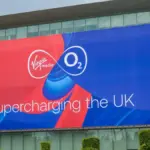










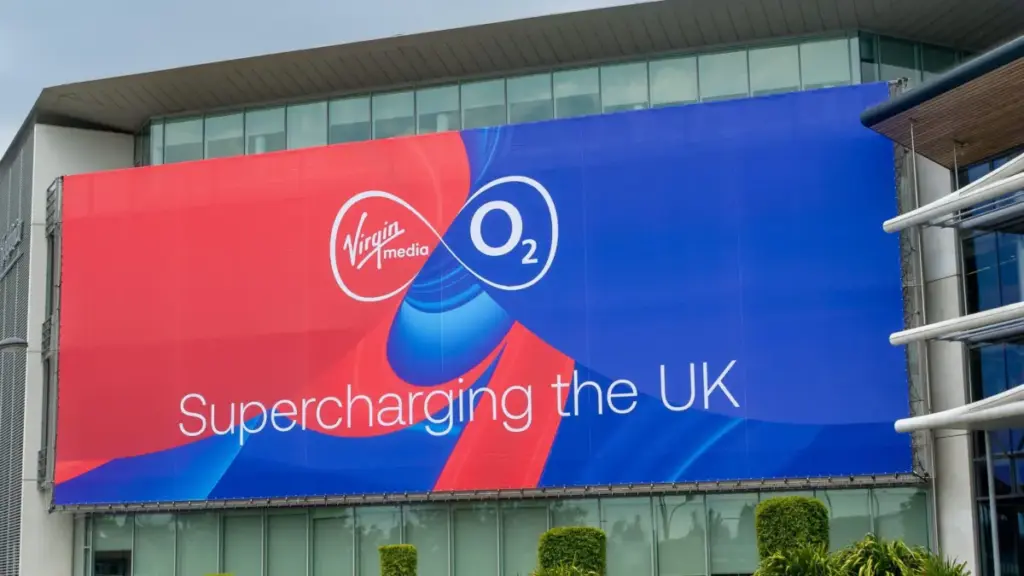
UK converged telecommunications operator Virgin Media O2 has announced a major upgrade to the download speeds of its designated "social" broadband packages. The company’s £12.50 ($16.38) per month "Essential Broadband" tier has more than tripled its throughput, jumping from 15 Mbit/s to 54 Mbit/s.
Social tariffs are designed specifically to provide affordable internet access to individuals and households on low incomes. These discounted packages are typically made available to customers who receive certain government financial support payments, such as Universal Credit and Jobseeker’s Allowance, serving as a critical safety net to prevent digital exclusion during a broader cost-of-living crisis.
The move by Virgin Media O2 comes amid intense scrutiny from Ofcom, the UK communications regulator. Ofcom has previously criticized major telecommunications operators across the country for failing to adequately promote their social broadband tariffs. According to the regulator, this lack of visibility and marketing has been a primary driver behind relatively low take-up rates among eligible households, leaving many struggling consumers unaware that cheaper broadband options exist. By significantly enhancing the speeds of these packages, operators like Virgin Media O2 are under increasing pressure to ensure that low-income customers can easily find, access, and benefit from these vital services.

Connect Fibre Reaches Halfway Milestone in Derbyshire Project Gigabit Rollout
In infrastructure news, London-based alternative network provider Connect Fibre has successfully reached the halfway point of its £35 million ($46 million) Project Gigabit fiber rollout across the northern English county of Derbyshire.
To date, approximately 6,600 homes and businesses throughout the largely rural county have been brought within reach of the new full-fiber network. The ambitious infrastructure project aims to bridge the digital divide between urban centers and rural communities by delivering ultra-fast connection speeds of up to 5 Gbit/s to areas that have historically suffered from poor broadband connectivity.
Project Gigabit is a government-backed initiative aimed at rolling out gigabit-capable broadband to hard-to-reach areas across the United Kingdom. While regional builds like the one in Derbyshire progress toward connecting thousands of premises, the broader national program continues to be a subject of intense debate regarding public expenditure, industry execution, and the most efficient use of taxpayer funds in telecommunications infrastructure.
Orange Targets Child Safety with New Mobile Plan and Smartwatch Bundling
Continental European markets are also seeing targeted product launches aimed at specific demographic needs. French telecoms giant Orange has rolled out a new "SaferKids" child-friendly mobile plan, paired with a discounted smartwatch manufactured by European brand SaveFamily.
As part of the SaferKids subscription plan, Orange is offering a €50 ($55) discount off the standard list price of the SaveWatch Plus 2. The wearable device is designed to allow children to stay in regular contact with their parents and family members without exposing them to the wider, potentially unfiltered risks and darker aspects of the broader internet. The initiative reflects a growing trend among mobile operators to cater to parents seeking controlled, secure communication tools for younger children before they transition to traditional smartphones and unmonitored web access.
BBC Reports YouTube Growth Amid Ongoing Cost-Cutting Measures and License Fee Pressures
Public service broadcaster the BBC continues to navigate a challenging financial landscape marked by a dwindling take from its traditional television license fee, as more British households opt out of paying for live television services. To offset these mounting pressures, the broadcaster has previously committed itself to achieving massive organizational savings of £500 million ($655 million) by 2028.
Despite these financial headwinds and the prospect of sweeping internal cuts, the BBC’s digital-first strategies appear to be gaining traction in unexpected areas. According to Ofcom’s latest annual report on the beleaguered public broadcaster, views of BBC-produced video content posted on its official YouTube channel recorded a significant 21% increase over the past year.
This digital expansion highlights how the public broadcaster is attempting to adapt to modern media consumption habits and reach younger or more fragmented audiences online, even as its traditional funding model faces structural decline.
Reflecting on 5G Standalone and the Commercialization of Network Slicing
Looking back at the broader telecommunications landscape over the past year, industry analysts have charted the steady maturation of advanced 5G technologies. A review of Ericsson’s Mobility Report from exactly one year ago highlighted that network slicing had finally begun to gain commercial momentum across the global telecoms sector.
At the time, research indicated that 33 communications service providers claimed to be offering various iterations of network slicing technology. Out of 118 distinct network slicing cases identified by researchers, 65 had successfully moved past the proof-of-concept phase and into live commercial services. These deployments were introduced either as standalone subscription offerings or as specialized add-on packages tailored for both consumer and enterprise customers.
Industry experts attributed this sudden growth spurt and transition to commercial viability to the widespread and accelerated deployment of 5G standalone (5G SA) core networks, which provide the underlying architecture necessary to partition network resources for dedicated use cases.