










As smart home ecosystems and residential security technologies become increasingly common fixtures in modern households, hosting guests requires a deliberate balancing act. Homeowners who test and rely on multiple connected devices often find themselves managing a dense network of cameras, smart locks, climate controllers, and automated lighting systems when visitors arrive for the holidays or extended stays. While these gadgets can occasionally feel like a distraction or a potential breach of privacy, industry experts emphasize that connected technology can actually streamline hosting duties and significantly improve the visitor experience when properly adjusted before guests cross the threshold.

Making strategic modifications to smart home configurations ahead of major gatherings can eliminate common technical headaches, save valuable time during busy hosting windows, and even impress visitors who are less accustomed to automated living. Many of these adjustments offer such seamless convenience that homeowners frequently choose to keep them enabled year-round.
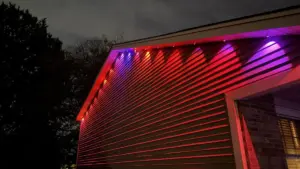
One of the easiest ways to welcome visitors is by utilizing seasonal features built into modern video doorbells. Many manufacturers include settings that allow users to switch standard alerts to festive themes, replacing traditional tones with a variety of holiday sounds and seasonal melodies. Brands such as Vivint provide extensive options for holiday songs, while Google Nest and Eufy doorbells also offer alternative audio options for their chimes, setting a welcoming tone right at the front entrance before guests even step inside.
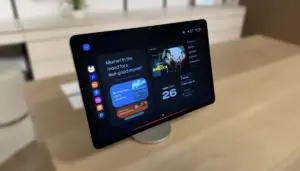

Privacy considerations represent a critical priority when welcoming overnight visitors, particularly since cameras and guests rarely mix comfortably. To help everyone feel secure and relaxed, homeowners should disable indoor cameras, nanny cams, and smart displays, either by pulling down physical privacy shutters or turning them off through their respective companion apps. Ensuring that indoor monitoring devices are completely inactive reassures visitors that their private moments remain private throughout their stay. Meanwhile, exterior cameras and video doorbells can safely remain operational, offering peace of mind to parents who want to monitor children playing in the backyard or keep track of incoming package deliveries.
Managing indoor environments effectively also plays a major role in guest comfort, starting with morning routines. Contemporary smart lighting systems feature scheduling tools that allow bulbs to turn on automatically at specific times of day or at sunrise, matching precise brightness levels and color temperatures. Some advanced systems even offer gradual illumination increases over an hour to simulate a natural sunrise. Implementing these routines in key areas of the home can encourage visitors to rise naturally for morning activities, helping everyone get moving on schedule—though pairing the automated lighting with a fresh pot of coffee remains an essential human touch.

Granting visitors independent mobility without burdening them with physical keys is another area where connected technology shines. Smart locks offer advanced capabilities such as remote operation and auto-locking features, but many models also allow homeowners to generate temporary access codes or digital passes. Using platforms like Apple Home, hosts can securely send digital keys directly to their guests’ smartphones. This approach allows visitors to come and go according to their own schedules while ensuring that doors remain securely locked when not in use.
Climate control adjustments are equally important during colder months. While maintaining lower thermostat temperatures can reduce energy consumption, overly chilly indoor conditions do not reflect good hospitality. Reviewing thermostat settings and raising indoor temperatures by a few degrees, particularly during the middle of the day and overnight hours, ensures that all guests remain comfortable. Furthermore, modern smart thermostats frequently include built-in humidity sensors, which can be invaluable when hosting visitors who are sensitive to exceptionally dry or humid indoor air.

Home security routines also require temporary modification during hosting seasons. Standard security schedules often arm systems automatically during daytime hours once residents have left for work or errands. However, this approach disrupts holiday gatherings when family and friends are moving freely about the house. Rather than disabling individual security sensors one by one, homeowners can simply adjust their security system schedules to remain disarmed throughout the day. This configuration allows residents and guests to move unhindered while still receiving critical safety alerts from environmental monitors like water leak detectors or package-recognition features on video doorbells. Nighttime monitoring modes can remain active to keep close watch on exterior doors and windows while allowing safe indoor movement.
Network management is another vital consideration for households welcoming multiple visitors. Establishing a dedicated guest Wi-Fi network provides a separate connection with an easy-to-remember password for all incoming visitor devices. This practice keeps the primary home network secure from unauthorized access while allowing homeowners to prioritize bandwidth for essential household systems. Setting up a guest network typically requires only a few quick adjustments within a router’s app settings, and the network can be easily reactivated whenever future visitors arrive.

Audio entertainment can face unexpected hurdles when numerous new devices join a home network. Smart speakers, such as Amazon Echo devices or Apple HomeView displays, are ideal for filling a house with background music, but network congestion from multiple guest smartphones and laptops can make streaming unreliable. Downloading a preferred playlist directly to a mobile device or tablet and connecting it to the smart speaker via Bluetooth offers a reliable workaround. Popular streaming applications like Spotify support offline downloads for subscribers, ensuring uninterrupted playback throughout family gatherings.
Voice assistants add considerable convenience to a smart home, but they can occasionally introduce complications when guests or children start experimenting with voice commands. Rather than disabling voice assistants entirely, homeowners can limit their capabilities using built-in security features. Platforms like Amazon Alexa offer Voice ID settings that restrict skills and third-party services to recognized profiles belonging to immediate family members. Similarly, Google Assistant utilizes Voice Match settings to control which voices are authorized to operate connected devices. Setting up voice verification codes for purchases prevents accidental or unauthorized shopping orders via voice commands.

Keeping guest devices charged without creating a tangle of power cords can be easily achieved by placing Qi-compatible wireless chargers in accessible common areas. Universal wireless charging pads work with nearly any modern smartphone, sparing household electrical outlets and offering a practical convenience that visitors frequently appreciate.
For households with a bit of extra setup time, security systems can be integrated with smart lighting to establish helpful nighttime routines. Configuring security sensors to trigger nearby smart bulbs at low brightness levels when motion is detected provides a soft guiding light for anyone navigating the house during the night without disturbing sleeping family members. Standalone motion sensors, such as independent units offered by Philips Hue, can achieve the exact same automated result without requiring a comprehensive home security system.

By proactively adjusting these devices, homeowners can transform their connected technology from a potential hosting complication into a seamless asset that enhances comfort, security, and convenience for everyone under the roof.