









OK, let’s do Apple TV 4K one last time
The most expensive piece of hardware in Apple’s latest living room lineup is the fourth-generation Apple TV 4K. Priced at $300, this set-top box maintains the familiar moniker, external design, and resolution capabilities of the third-generation model released in 2022. Instead of a complete redesign, buyers are paying for internal hardware enhancements, including a speedier A19 processor, built-in microphones designed to pick up conversational Siri commands and queries, 128GB of internal storage, and a mandatory Ethernet port configuration.
The accompanying Siri Remote has also received minor refinements. While it retains the look and feel of its predecessor, the updated remote introduces precision finding capabilities and an integrated chime feature. Users can trigger this audio cue via the FindMy application to help locate the remote when it slips between sofa cushions or hides beneath furniture.

Despite the marketing push for the fourth-generation model, owners of the second- and third-generation Apple TV 4K devices may not need to upgrade immediately. Apple’s official documentation indicates that these older streaming boxes will also receive Siri AI support via an upcoming software update scheduled for later this year. Currently rolling out in the tvOS 27.2 beta, the feature will be available in English across the United States, Australia, Canada, India, New Zealand, Singapore, South Africa, and the United Kingdom. Meanwhile, the newly redesigned Siri Remote will be sold separately for $59 starting November 13, offering compatibility with both the newest Apple TV 4K models and the legacy Apple TV HD.

HomePod Minis aren’t quite as lucky
The introduction of new audio hardware naturally raises questions regarding ecosystem compatibility, particularly for households featuring a mix of older and newer smart speakers. Deploying a multi-room audio environment featuring a combination of first- and second-generation HomePod Minis introduces questions about how voice commands will be routed and whether queries will trigger advanced AI features or legacy responses. Building a complete dedicated surround-sound setup using four miniature speakers alongside a fourth-generation Apple TV 4K requires a significant financial investment approaching $900, prompting many consumers to weigh the value against traditional soundbar alternatives.
Unlike the Apple TV line, users of legacy HomePod Minis will not receive the most advanced Siri AI capabilities. Apple has confirmed that the HomePod Mini 2, powered by a faster S10 processor, is specifically engineered to handle complex Siri AI requests locally, leaving older speaker models out of the loop for those specific advanced functions.

Nevertheless, the lack of complete backwards compatibility does not preclude mixing and matching different generations of HomePod Minis within a single household. Standard Siri commands will continue to function across older hardware, though users will need to evaluate how mixed setups handle audio synchronization and local processing demands, given that the newest speaker possesses computational capabilities unavailable to its predecessors.
The iPad in the kitchen
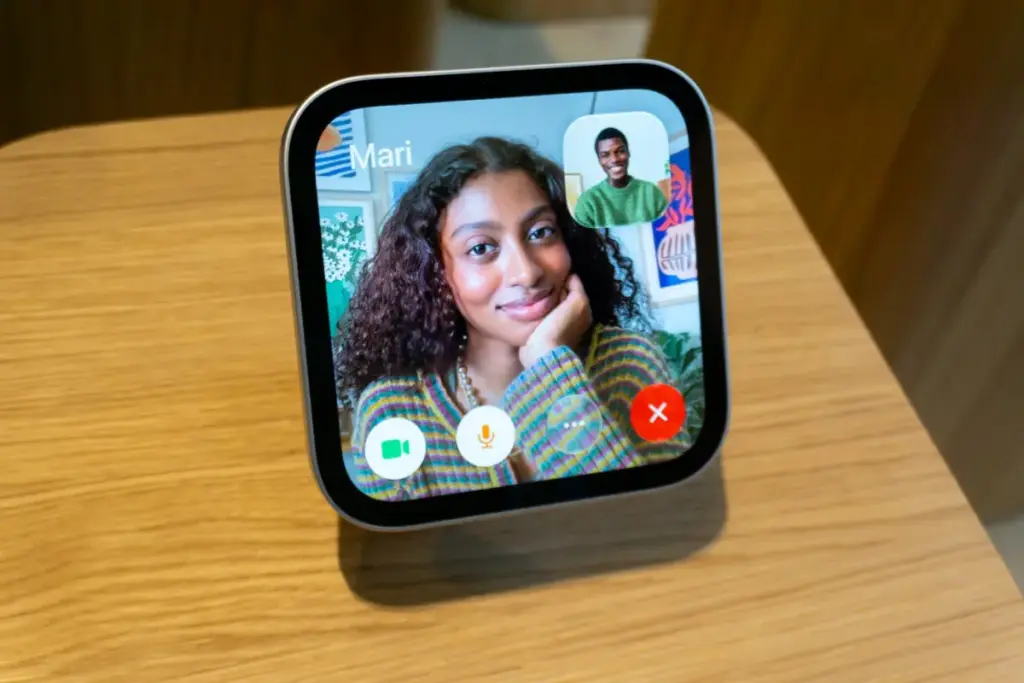
The newly unveiled HomeView represents Apple’s first dedicated smart home device featuring an integrated screen. While the hardware departs from the retro, iMac G4-inspired aesthetics that some industry observers anticipated, its focus on secure, multi-user household interaction marks a notable shift. Siri AI serves as a foundational component for this kitchen-centric hub, handling daily household management tasks.
For many households, however, the HomeView will occupy physical space previously dominated by a makeshift kitchen assistant: an iPad or iPad Mini mounted on an inexpensive stand. Apple’s tablets have successfully managed kitchen duties, including timers, recipes, and FaceTime calls, since their inception. Furthermore, older iPads—specifically the iPad Pro and iPad Air models powered by the M1 chip or later, as well as the A17 Pro-equipped iPad Mini—are slated to receive Siri AI capabilities later this year, maintaining a mobile flexibility that a permanently tethered wall unit lacks.

The Apple devices connecting them all
Because advanced AI tasks demand substantial processing power, older smart home infrastructure relies heavily on nearby companion devices to shoulder the computational load. To access the full suite of Siri AI features on legacy or newly deployed smart home accessories, users must typically have a compatible iPhone or iPad within range. This requirement extends to the iPhone 15 Pro and subsequent models, alongside supported iPad configurations.
The HomeView’s ability to seamlessly switch between up to six individual household members and deliver personalized information depends entirely on each person carrying an Apple Intelligence-supported iPhone or iPad. For the feature to operate correctly, these mobile devices must be paired with the HomeView, connected to the same Wi-Fi network, and recently unlocked. Consequently, fully utilizing a new smart home hub may require families to upgrade their mobile phones in tandem with their home electronics.
Will you really be able to get the new Siri AI features without buying new hardware?
Apple’s decision to extend software support to select older devices demonstrates an effort to prevent immediate hardware obsolescence. Consumers who prioritize enhanced gaming performance, faster app loading times, or the desire to expand a multi-room audio network will likely find justification in purchasing the latest hardware iterations.

Ultimately, Apple’s strategy appears geared toward securing long-term ecosystem loyalty from consumers eager to dive into the company’s expanded smart home collection. For buyers setting up a connected living space for the first time, the new lineup offers a cohesive, powerful entry point. However, households already populated by recent generations of Apple hardware may find that waiting to test upcoming software updates provides a cost-effective way to experience Siri AI without purchasing new equipment.