









When SpaceX first opened the doors to its Starlink public beta program in October 2020, the prospect of high-speed satellite internet was a technological novelty that came with a significant barrier to entry. For many living in rural or underserved regions, the promise of connectivity outweighed the steep upfront costs and the inherent unpredictability of an early-stage network. Six years later, as we reach the end of 2026, the landscape of satellite internet has undergone a radical transformation. While the service has matured from a "Better Than Nothing" experiment into a global telecommunications juggernaut, the economic model governing Starlink has shifted from a standardized, hardware-heavy investment to a complex, multi-tiered subscription ecosystem that varies wildly based on geography and demand.
The most striking headline for long-term users is the reduction in base subscription costs. The entry-level residential plan now starts at $55 per month for U.S. customers, representing a significant $44 monthly decrease compared to the original $99 beta subscription. Over the course of a year, this equates to $528 in savings on the recurring service fee alone. However, this headline figure obscures a much more nuanced reality: the days of a flat-rate service are long gone, replaced by a dynamic pricing structure that reflects the maturing nature of the satellite constellation and the company’s shift toward aggressive market penetration.
The "Better Than Nothing" Era: A High-Stakes Investment
To understand the current state of Starlink, one must look back at the origins of the "Better Than Nothing Beta." In 2020, the service was marketed with brutal honesty. SpaceX warned potential customers that they should expect sporadic outages, latency ranging between 20ms and 40ms, and download speeds fluctuating between 50 and 150 Mbps. For users reliant on archaic DSL or inconsistent cellular connections, these parameters were revolutionary, even if they were far from the standard of urban fiber-optic broadband.

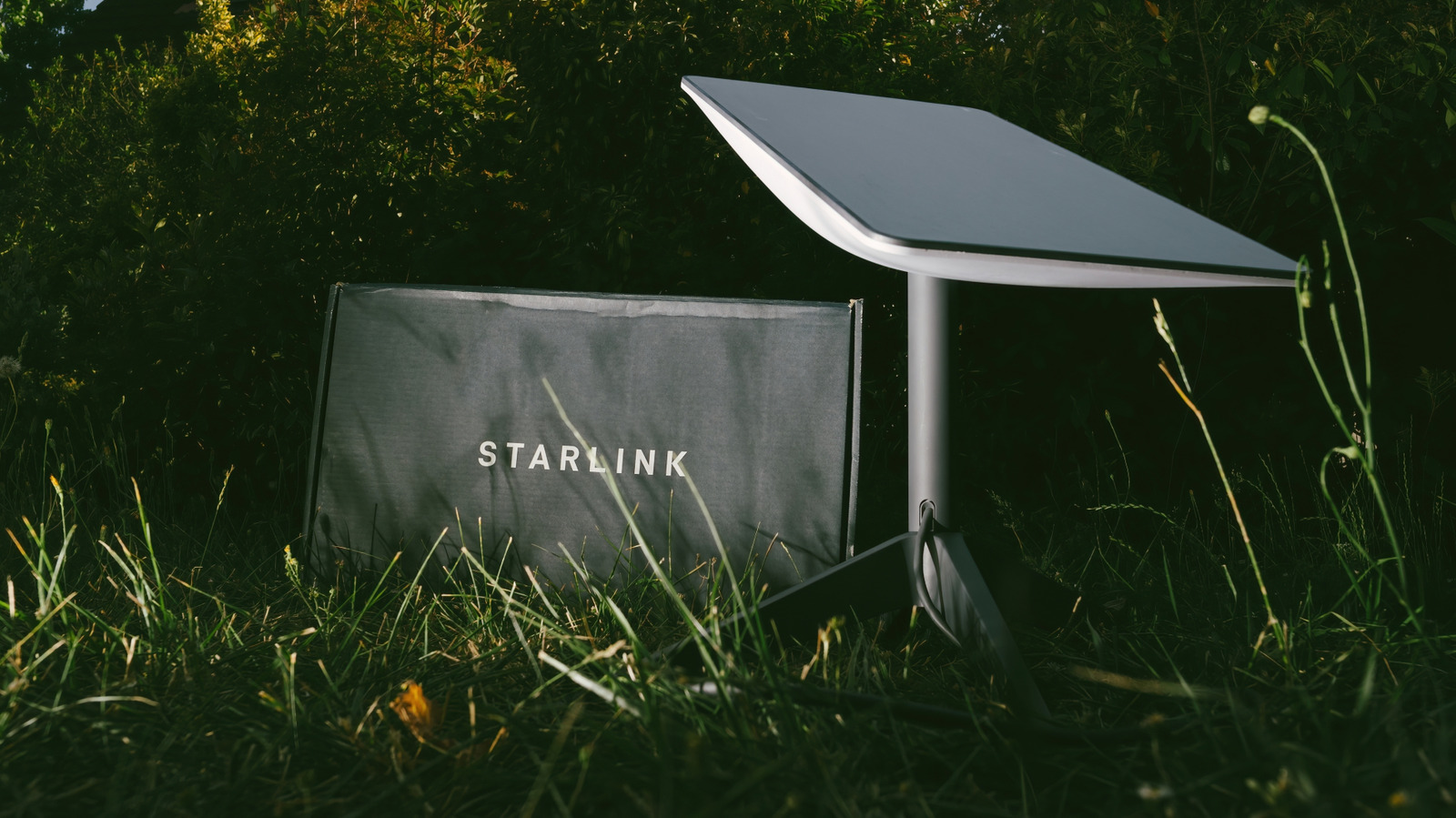
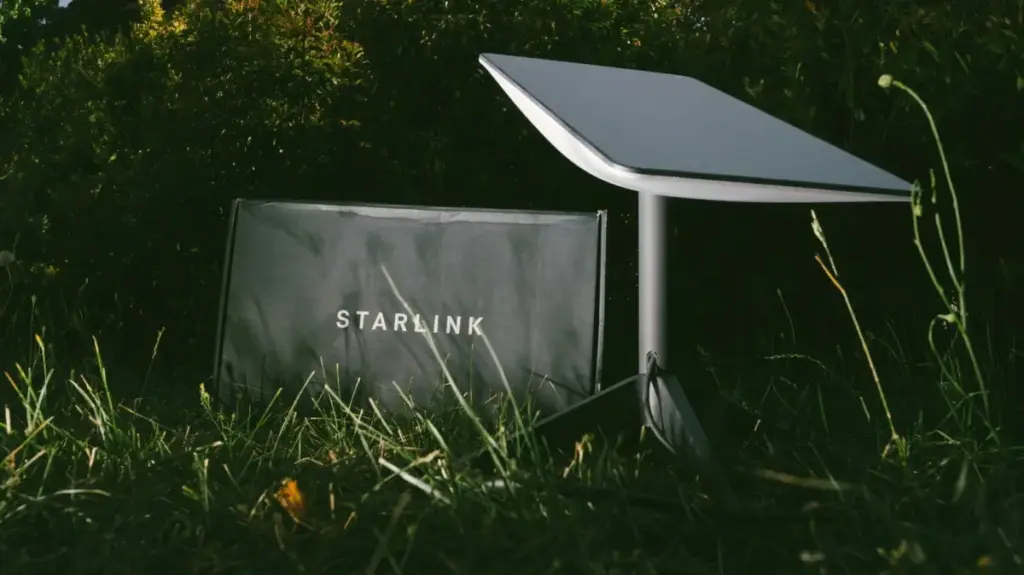
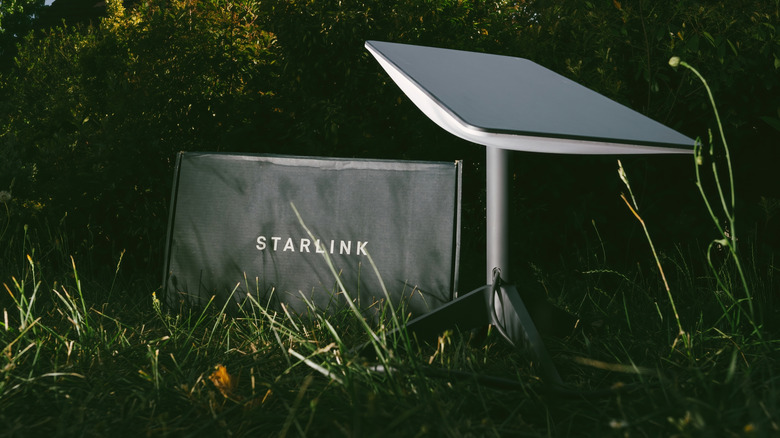
The financial barrier to entry was formidable. To join the beta, a customer had to purchase the hardware kit outright for $499. This kit was a comprehensive package containing the iconic circular satellite dish, a mounting tripod, and a proprietary Wi-Fi router. Combined with the first month’s $99 subscription fee, the initial capital outlay totaled $598, excluding taxes and shipping. If a user committed to a year of service, the total cost for the first twelve months would hit $1,687.
Despite these costs, early adopters were essentially venture capitalists funding the deployment of the low-Earth orbit constellation. Unlike today’s rental-friendly model, those early beta subscribers owned their equipment. They were buying into a vision of global connectivity, accepting the technical "growing pains" as part of the price of admission. The service was not meant for everyone; it was a lifeline for the digitally stranded.
As the network expanded, the economic pressure of inflation and the costs of maintaining the constellation began to show. By March 2022, SpaceX implemented its first major price hike, raising the monthly subscription fee to $110 for existing users and increasing the hardware cost to $599 for new sign-ups. By 2023, the pricing began to diversify. SpaceX introduced a tiered approach based on network capacity, with users in areas of high demand paying $120, while those in areas with excess capacity saw their rates drop to $90. This marked the beginning of a shift toward the localized, demand-driven pricing strategy that defines the service today.
The 2026 Landscape: Tiers, Rentals, and Regional Variability
As of late 2026, the barrier to entry has changed significantly, both in terms of what a customer pays and how they pay it. While the starting price is lower, the service is no longer a monolithic product. Starlink now segments its residential customers into three primary tiers: a 100 Mbps entry-level plan for $55, a 200 Mbps mid-tier plan for $85, and a "Residential Max" tier priced at $130, which offers higher network priority and speeds reaching 400 Mbps or greater under ideal conditions.
The volatility of these prices remains a hallmark of the service. In May 2026, SpaceX applied a uniform increase of $5 to the entry and mid-tier plans, while the high-end Residential Max tier saw a $10 increase. By October 2026, the company further refined its strategy, announcing location-based adjustments that saw some Max-tier customers facing bills as high as $156 per month, while others in less congested areas saw their costs decrease. This volatility is increasingly paired with promotional pricing; reports have indicated that some new subscribers have secured discounts of up to 50 percent off their service through November 2026. Crucially, Starlink has signaled that these promotional rates are intended to last as long as the subscription remains active, though changing plans or moving locations can often void these terms.
Perhaps the most significant shift in the consumer experience is the move away from forced hardware ownership. Recognizing that a $500-plus upfront cost is a deterrent for many households, Starlink began offering equipment rentals in several regions. In June 2026, the company formalized a $10 monthly rental fee for the hardware kit. This mirrors the business models of traditional cable and telecommunications providers, allowing customers to access the service with little to no upfront expense. However, this flexibility comes with a trade-off: the hardware remains the property of SpaceX, and subscribers are required to return the kit within 30 days of cancellation to avoid being charged the full retail price of the equipment.
The Competitive Context
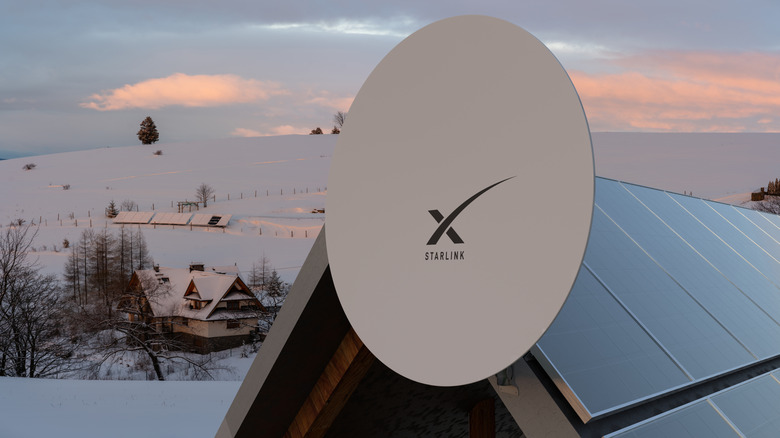
Starlink’s positioning in the broader broadband market remains unique. While it often competes directly with cable, fiber, and 5G home internet, it occupies a distinct niche where availability—rather than price-per-gigabit—is the primary driver of value. For the vast majority of its user base, Starlink is not chosen because it is cheaper than a city-based fiber provider; it is chosen because it is the only viable option in a remote location.
For users who require mobility, the service continues to offer its "Roam" plans, which maintain a distinct pricing structure. The standard Roam service is priced at $55 for 100GB of high-speed data, after which speeds are throttled. For those who require consistent, unmetered access while on the move, the Roam Unlimited plan is available at $175 per month.
As Starlink navigates the end of 2026, the service has clearly moved past its experimental phase. It has transitioned from a single-price, high-cost startup service into a complex utility with varying tiers, regional pricing, and flexible hardware options. For the consumer, this evolution offers more entry points to the network, but it also demands a higher degree of diligence. A user’s bill is no longer just a function of the company’s flat-rate pricing; it is a calculation based on local network demand, promotional availability, and the choice between owning or renting the hardware. As the satellite constellation continues to grow, the dynamics of this market will likely continue to shift, ensuring that the cost of satellite internet remains one of the most fluid variables in the home telecommunications industry.