









The landscape of video game-to-film adaptations continues to shift, as Sony Pictures Entertainment has officially acquired the rights to the breakout indie horror sensation Mouthwashing. The project, which aims to translate the claustrophobic, surreal, and deeply unsettling experience of the 2024 game into a feature film, has already begun building a formidable creative team. According to reports from The Hollywood Reporter, the production has tapped acclaimed filmmaker Karyn Kusama—known for her genre-defining work on Jennifer’s Body and the psychological thriller The Invitation—to take the helm as director.
This acquisition signals a strategic move by Sony to diversify its portfolio of gaming intellectual properties. While the studio has enjoyed massive success with blockbuster franchises like Resident Evil, the pivot toward Mouthwashing suggests a growing appetite for prestige, character-driven horror that leans into psychological dread rather than just action-oriented scares. By enlisting the expertise of industry veterans, Sony is positioning the adaptation as a serious entry in the modern horror canon.
The creative DNA behind the film is notably robust. The screenplay is currently being developed by the writing duo of Matt Manfredi and Phil Hay. The pair has a long-standing creative partnership with Kusama, having previously collaborated on The Invitation, a film that shares a similar DNA of slow-burn tension and human frailty with Mouthwashing. Their involvement provides a level of continuity and thematic consistency that fans of the game will likely find encouraging, as the adaptation moves from the interactive medium to the rigid structure of a cinematic script.

Furthermore, the project is bolstered by the involvement of producer Scott Derrickson. As the director behind seminal modern horror films such as Sinister and The Black Phone, Derrickson is uniquely positioned to help shepherd a project that balances visceral imagery with complex narrative stakes. The combination of Kusama’s stylistic direction and Derrickson’s proven track record in the genre suggests that Sony is aiming for a film that prioritizes atmospheric storytelling, mirroring the game’s own reputation for being "grounded" yet deeply disturbing.
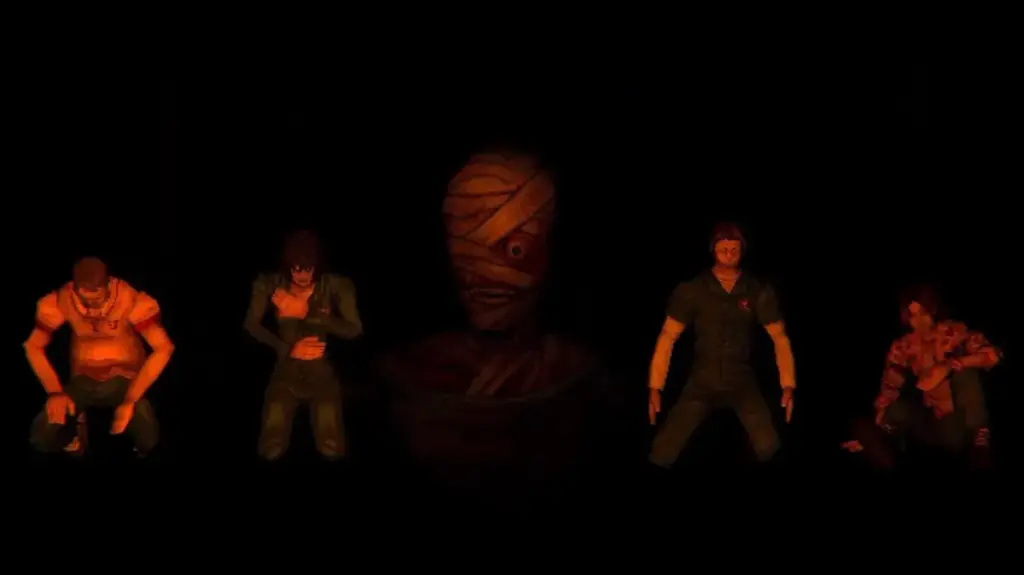
The original game, developed by Wrong Organ and published by Critical Reflex, centers on the crew of the Tulpar, a vessel stranded in the cold, unforgiving vacuum of space. As supplies dwindle and their situation becomes increasingly desperate, the crew members find their collective grip on reality beginning to fray. It is a story not just about survival, but about the moral decay and psychological erosion that occurs when a group of people is pushed to their absolute limits. Unlike the fast-paced, zombie-infested corridors of the Resident Evil franchise, Mouthwashing derives its impact from its heavy, oppressive atmosphere, surreal artistic choices, and a narrative that refuses to offer easy answers to the characters’ dilemmas.
Sony’s interest in this specific title is perhaps a testament to the evolving expectations of audiences. Recent years have seen a massive surge in the popularity of indie horror games, which often rely on high-concept storytelling and innovative visuals to stand out in a crowded market. Mouthwashing has garnered critical acclaim for its ability to weave a non-linear narrative that forces players to piece together the events leading up to the Tulpar’s catastrophe. Translating this subjective experience—which is inherently tied to the player’s agency and perspective—into a linear film format is a significant challenge, but one that the studio clearly feels is worth undertaking given the strength of the source material.
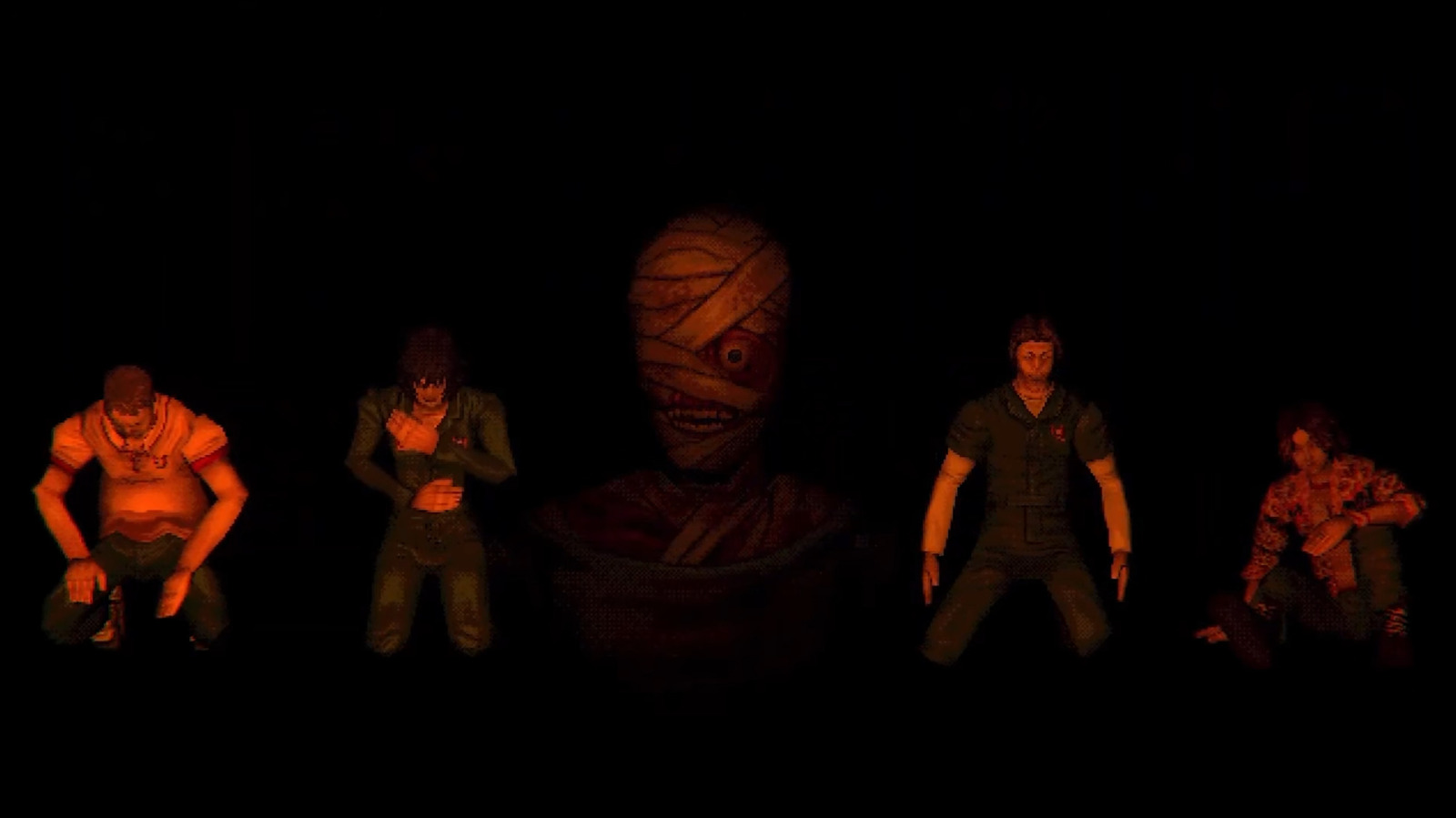
The film adaptation is also a strategic play on the current market trends regarding horror media. Studios are increasingly looking toward smaller, high-impact gaming IPs that allow for creative freedom without the baggage of decades-old cinematic universes. By selecting a project like Mouthwashing, Sony can leverage the built-in audience of the game while still maintaining the freedom to experiment with tone and structure in a way that might be restricted by larger, more established franchises. This approach mirrors the success of other recent indie-to-film transitions, where the focus remains on capturing the "vibe" of the game rather than simply recreating its mechanics on screen.
While the production is currently in the early stages of development, the excitement surrounding the announcement is palpable among fans of the game. Mouthwashing debuted on PC in 2024 to significant buzz, quickly gaining a reputation for being a must-play experience for those who appreciate psychological horror. Its status as a viral hit is further solidified by its recent expansion to consoles; as of today, the title is available on the Nintendo Switch, PlayStation 5, and Xbox Series X/S, and it is also included in the library for Xbox Game Pass. This wide availability ensures that, as production on the film progresses, the source material remains accessible to a growing audience, potentially building a bridge between the gaming community and the film-going public.
For Karyn Kusama, the project represents a return to the thematic territory she explored so effectively in The Invitation. Her ability to portray isolated groups of people under immense psychological pressure makes her an ideal candidate to adapt a story that is, at its core, a claustrophobic study of isolation. With the script in the hands of Manfredi and Hay, the film is expected to emphasize the internal conflicts of the crew as much as the external threats they face. The "goofier" flavor of horror that characterizes some of the genre’s more mainstream entries is unlikely to be found here; instead, audiences should anticipate a film that leans into the bleakness and the surrealist flourishes that made the game a standout success.
As the film moves toward pre-production, the industry will be watching closely to see how Sony balances the creative vision of the filmmakers with the established expectations of the game’s fanbase. The success of recent adaptations like the Resident Evil films has shown that there is a clear path to both critical and financial success when a studio respects the core components of the source material while allowing the director to leave a distinct creative imprint. With a veteran team and a source material that is as haunting as it is compelling, the Mouthwashing adaptation is shaping up to be one of the most anticipated projects in the horror genre.
While no official release date has been announced, the rapid pace at which the project has secured its primary creative team suggests that Sony is eager to keep the momentum behind Mouthwashing moving forward. The collaboration between Sony Pictures, the production team, and the original developers at Wrong Organ is a positive indicator that the spirit of the indie hit will be preserved as it undergoes the transition to the silver screen. In the coming months, as more details regarding casting and production schedules are revealed, the focus will undoubtedly remain on whether the film can effectively capture the same sense of dread that defined the Tulpar’s harrowing journey for players around the world.
For now, the legacy of Mouthwashing continues to grow in its original format. The ease with which audiences can now access the game—coupled with the high-profile announcement of its cinematic future—ensures that the story of the stranded crew will continue to reach new heights. Whether the film ultimately mirrors the game’s structure or finds a new way to explore its unsettling themes, the announcement serves as a clear sign that the intersection of high-quality independent gaming and prestige horror cinema is only becoming more intertwined. As the project develops, the challenge for the creative team will be to maintain that delicate balance of surrealism and grounded character drama that made the game an instant cult classic, ensuring that when the film finally arrives, it resonates as deeply with viewers as it did with players.