










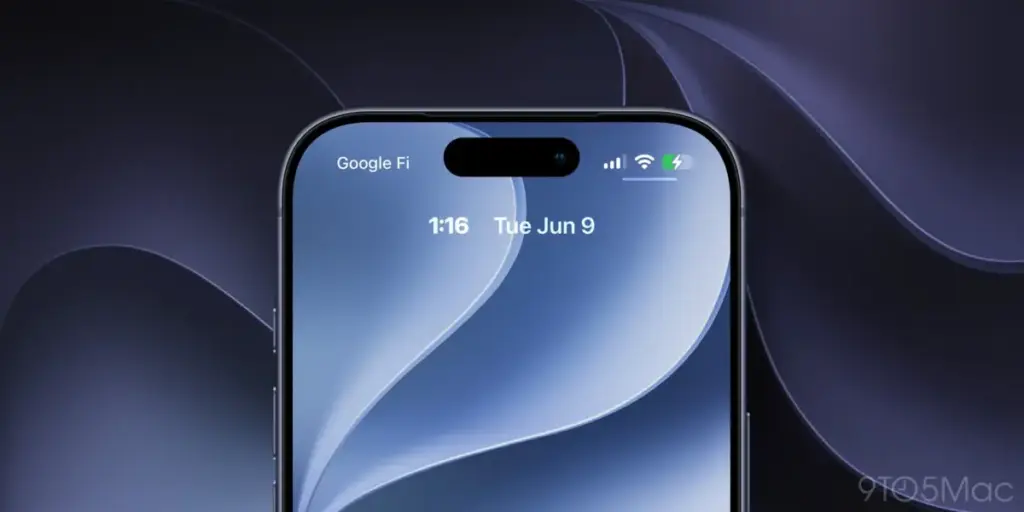
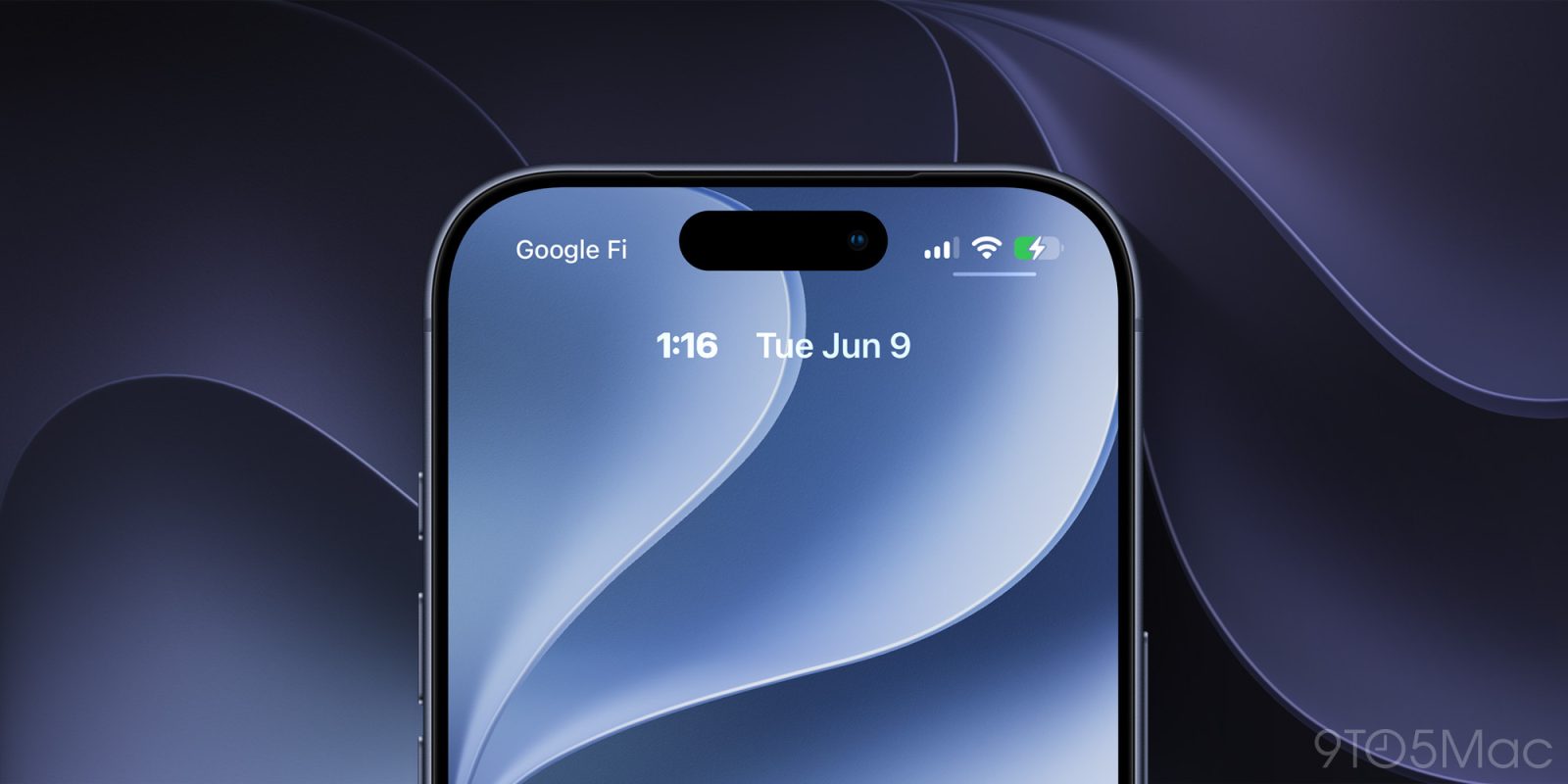
When Apple officially rolled out iOS 27 this past September, the industry discourse was, as expected, dominated by the debut of Siri AI and the broader integration of Apple Intelligence. These features represent a paradigm shift in how users interact with their devices, leveraging large language models to automate complex tasks, summarize notifications, and provide a more conversational, intuitive interface. However, in the shadow of these marquee generative AI advancements, Apple has quietly refined the foundational elements of the iPhone experience. While the headlines focused on the artificial intelligence capabilities, the reality for the average user is that iOS 27 is a significant quality-of-life update that introduces a variety of non-AI features designed to streamline daily workflows and enhance device utility.
For many, the most compelling aspects of a new operating system aren’t necessarily the headline-grabbing algorithms, but the subtle refinements to existing apps and interface behaviors. iOS 27 delivers on this front with a suite of updates that feel polished and practical. By focusing on how users actually engage with their devices—from managing media playback to navigating secure financial transactions—Apple has managed to prove that even in an era of rapid AI development, the "boring" stuff still matters.
A Deeper Look at Media Management and Interface Design
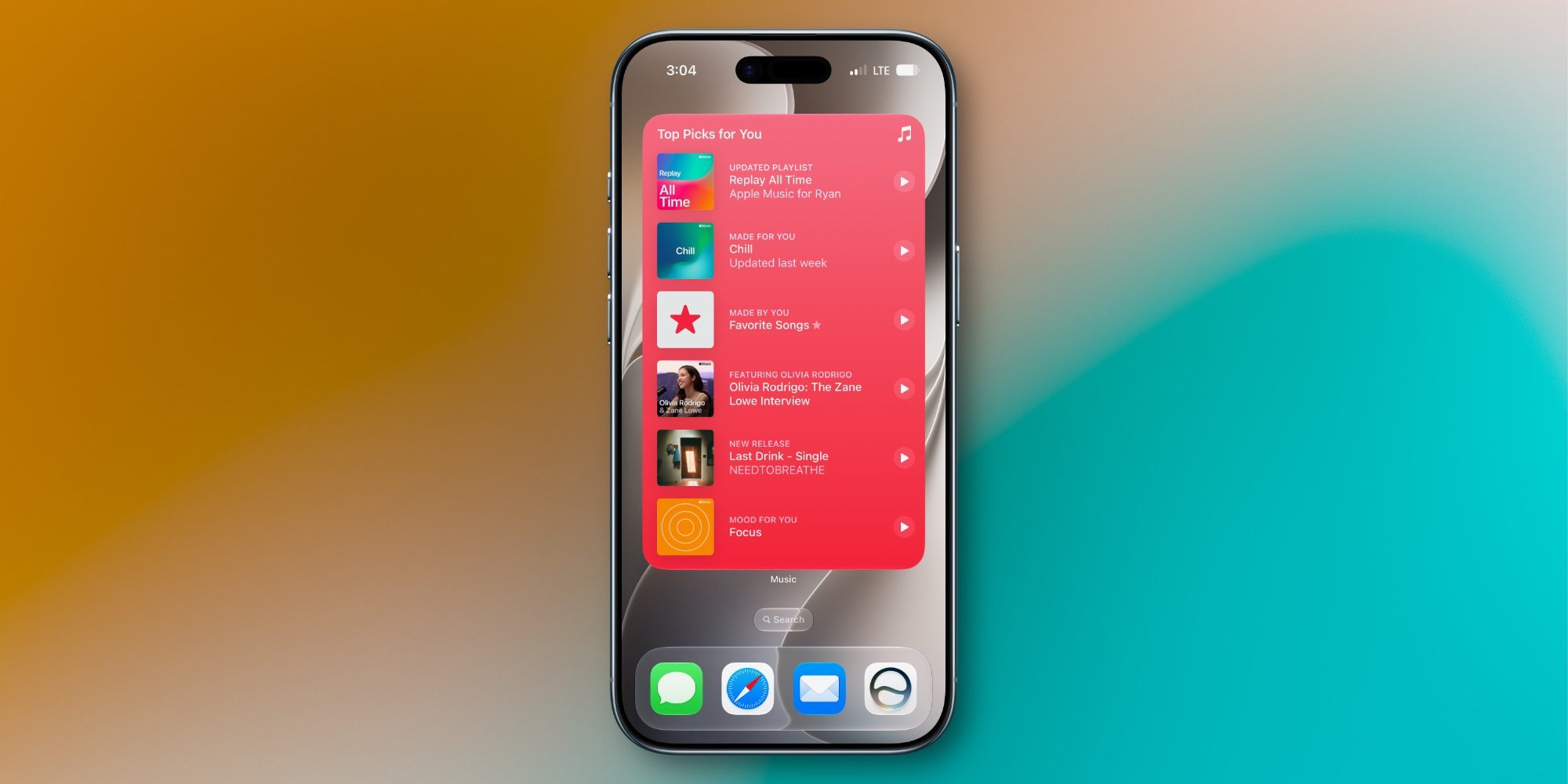
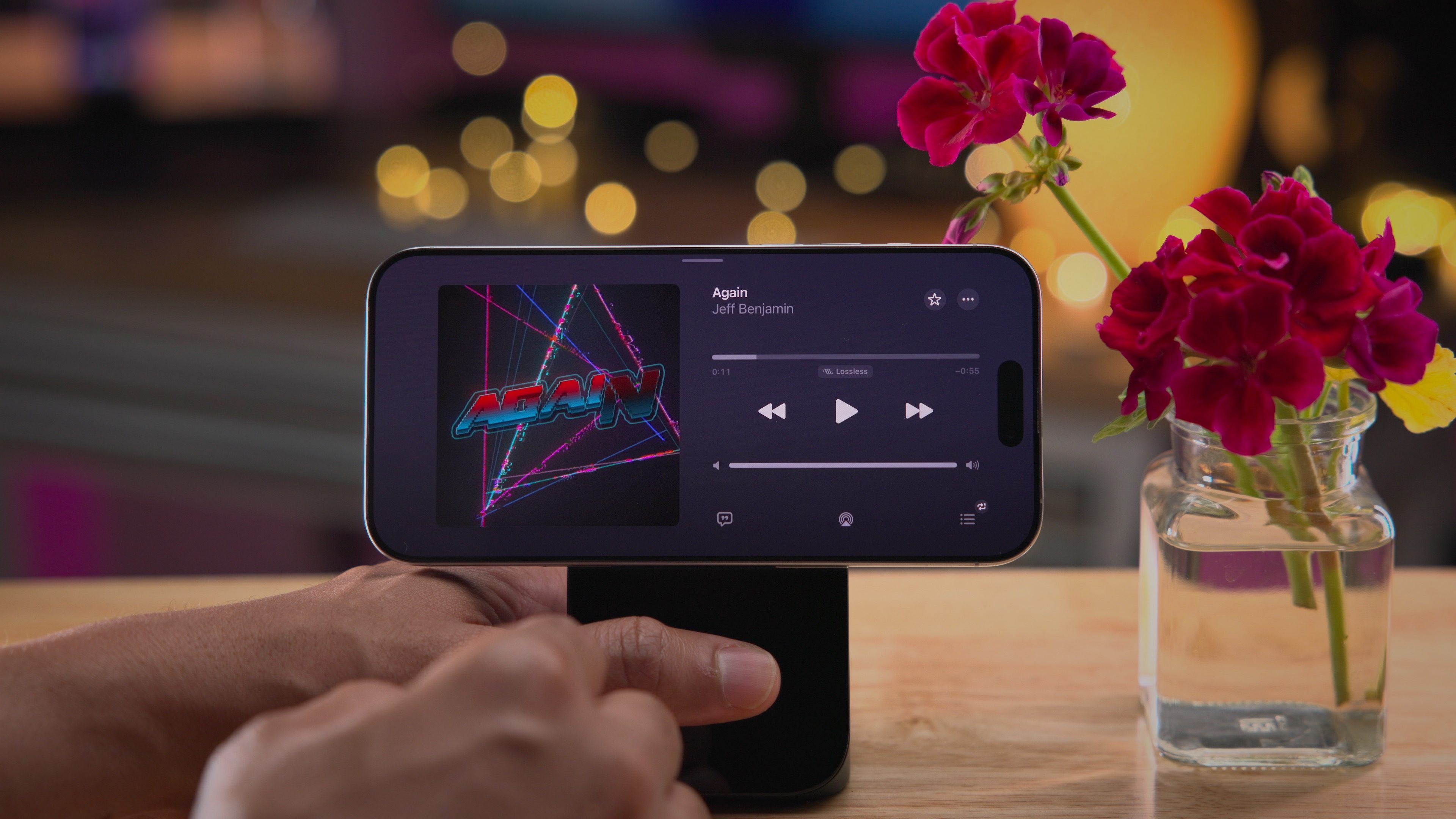
One of the most visually and functionally impactful changes in this release is the overhauled widget ecosystem, specifically the introduction of the extra-large music widget. Historically, iOS widgets have been limited in their ability to provide deep interactivity without forcing the user to jump into the full application. The new extra-large music widget changes this dynamic by offering a more expansive, information-dense display that serves as a mini-dashboard for the user’s library. It provides immediate access to playback controls, recently played albums, and personalized recommendations, all while maintaining a aesthetic that feels right at home on the modern, highly customizable Lock Screen.

This shift toward more granular control on the home and lock screens reflects a broader design philosophy within iOS 27. Apple is increasingly prioritizing the ability to access content without the friction of app-switching. By allowing the music widget to occupy a larger footprint, the interface feels more responsive and less like a static grid of icons. This is particularly noticeable when using the device in various orientations. The expanded support for landscape mode across the Apple Music app and other system components ensures that the interface is just as functional when the phone is docked or placed in a stand. This cross-orientation consistency is a small but welcome improvement that makes the transition between different use cases—such as using the phone as a bedside clock or a desktop media player—much more seamless.
Streamlining Financial Interactions and Security
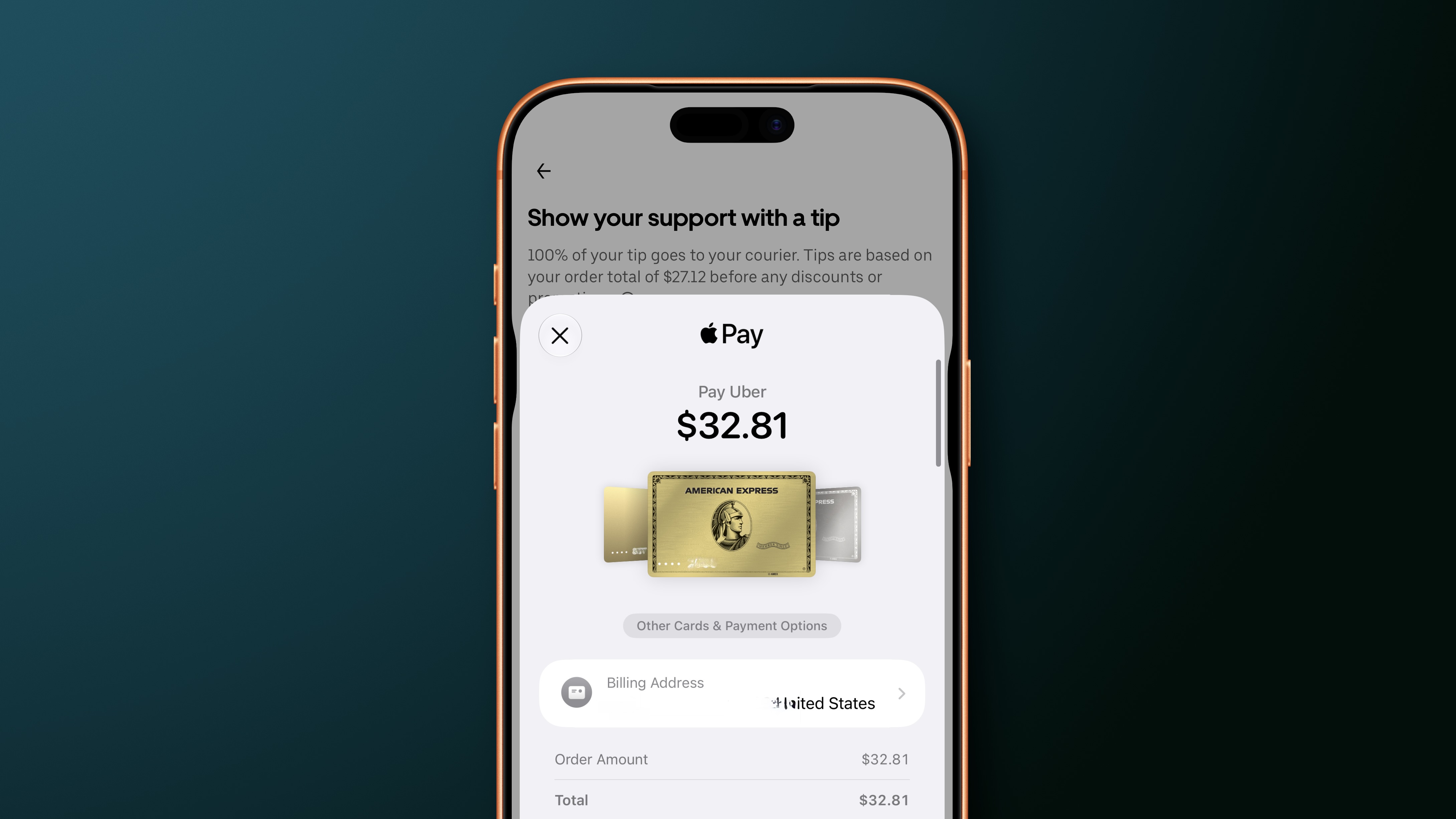
Beyond media consumption, iOS 27 also introduces meaningful refinements to the Wallet app and Apple Pay. As digital wallets become the primary method of payment for millions of users worldwide, even minor adjustments to the user experience can have a massive impact. In this iteration, Apple has refined the authentication flow and the speed at which users can interact with their saved cards and passes. While the core security protocols remain as robust as ever, the UI response times and the clarity of the transaction confirmation screens have been optimized to reduce the time spent at point-of-sale terminals.
The integration of these financial tools within the broader OS environment feels more cohesive in iOS 27. When a user initiates a transaction, the feedback loop—from the haptic response to the visual confirmation—is tighter and more informative. These changes may not be as flashy as a generative AI assistant, but they speak to the core mission of iOS: providing a reliable, secure, and fast platform for daily tasks. By reducing the cognitive load required to make a payment or access a boarding pass, Apple is effectively refining the utility of the hardware, ensuring that the software acts as a facilitator rather than a hurdle.
The Balancing Act of Modern OS Updates
It is easy to get caught up in the excitement of new, disruptive technologies. The surge in AI-driven features is undeniably important for the future of mobile computing, yet the success of an operating system like iOS 27 is determined by its daily reliability. By balancing the cutting-edge capabilities of Siri AI with the practical, user-focused updates to widgets, landscape support, and financial services, Apple has delivered a well-rounded update that addresses the needs of a diverse user base.
These non-AI features represent the "invisible" work that makes a premium device feel premium. Whether it is the ability to glance at an extra-large widget to see what is currently playing, or the subtle speed improvements in the Wallet app, these refinements are what define the user experience over the long term. As users continue to integrate their devices more deeply into their lives, the importance of these foundational features only grows. While the artificial intelligence capabilities will continue to evolve and capture the headlines, it is the cumulative effect of these smaller, non-AI improvements that truly defines the day-to-day value of the latest software.
The release of iOS 27 serves as a reminder that innovation is not solely found in machine learning models or generative interfaces. It is found in the attention to detail, the thoughtful reorganization of interface elements, and the persistent effort to make technology feel more natural and less obstructive. As we look toward future iterations of the platform, it is clear that Apple intends to continue this dual-track strategy: pushing the boundaries of what is possible with AI while simultaneously perfecting the core experience that users rely on every single day. For those who have already updated, these features offer a chance to rediscover the efficiency and fluidity of the iPhone, proving that even a mature platform still has plenty of room to grow in ways that don’t always require a neural engine.