







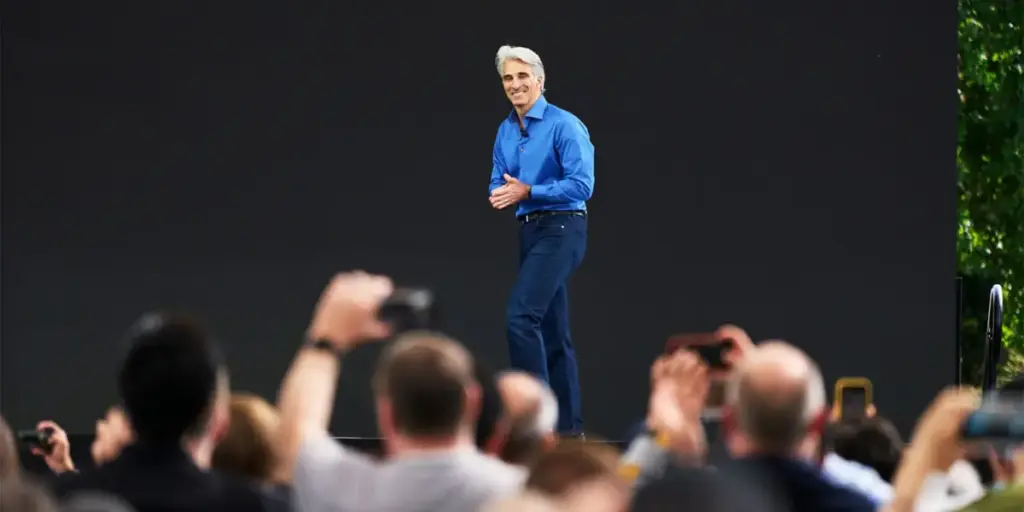
For years, the narrative surrounding Apple has been defined by its deliberate, measured approach to product development. However, as the global technology industry enters the high-stakes era of artificial intelligence, that hallmark patience is increasingly being viewed as a liability. Reports surfacing this week indicate that Apple’s new CEO, John Ternus, is taking a more aggressive stance, demanding that software chief Craig Federighi accelerate the company’s software roadmap to keep pace with an increasingly nimble competitive landscape.
The internal pressure marks a significant shift in tone for a company that has long prided itself on being the "last to market, but the best to market." According to recent reporting by Bloomberg’s Mark Gurman, the friction is rooted in a desire to transform Siri from a basic voice assistant into a sophisticated, agentic AI capable of competing with the likes of ChatGPT and other advanced large language models.
A Mandate for Speed Under CEO John Ternus
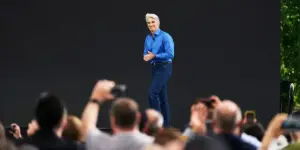
While there is no indication that Craig Federighi, Apple’s Senior Vice President of Software Engineering, is preparing to exit the company, his operational philosophy is coming under intense scrutiny. Despite his status as one of Apple’s most visible and influential executives, Federighi has reportedly maintained a very low priority regarding succession planning, focusing instead on the immediate, day-to-day execution of his division.
However, John Ternus, who has stepped into the top leadership role with a clear mandate to modernize Apple’s output, is reportedly dissatisfied with the current pace of innovation. In recent weeks, Ternus held a closed-door meeting with Federighi to address these concerns directly. The meeting was reportedly pointed; Ternus expressed frustration with what he perceives as a lingering reluctance within the software division to embrace AI with the same urgency demonstrated by competitors.
The core of the directive is simple: Apple must move beyond incremental, iterative improvements to Siri and instead embrace a more radical, agentic AI strategy. For years, Apple’s software updates have been characterized by stability and polish—refining existing features rather than reinventing the platform. Ternus is now signaling that this era of slow, steady progress may no longer be sufficient in an industry currently undergoing a rapid transformation.
The Challenges of a Hands-On Management Style
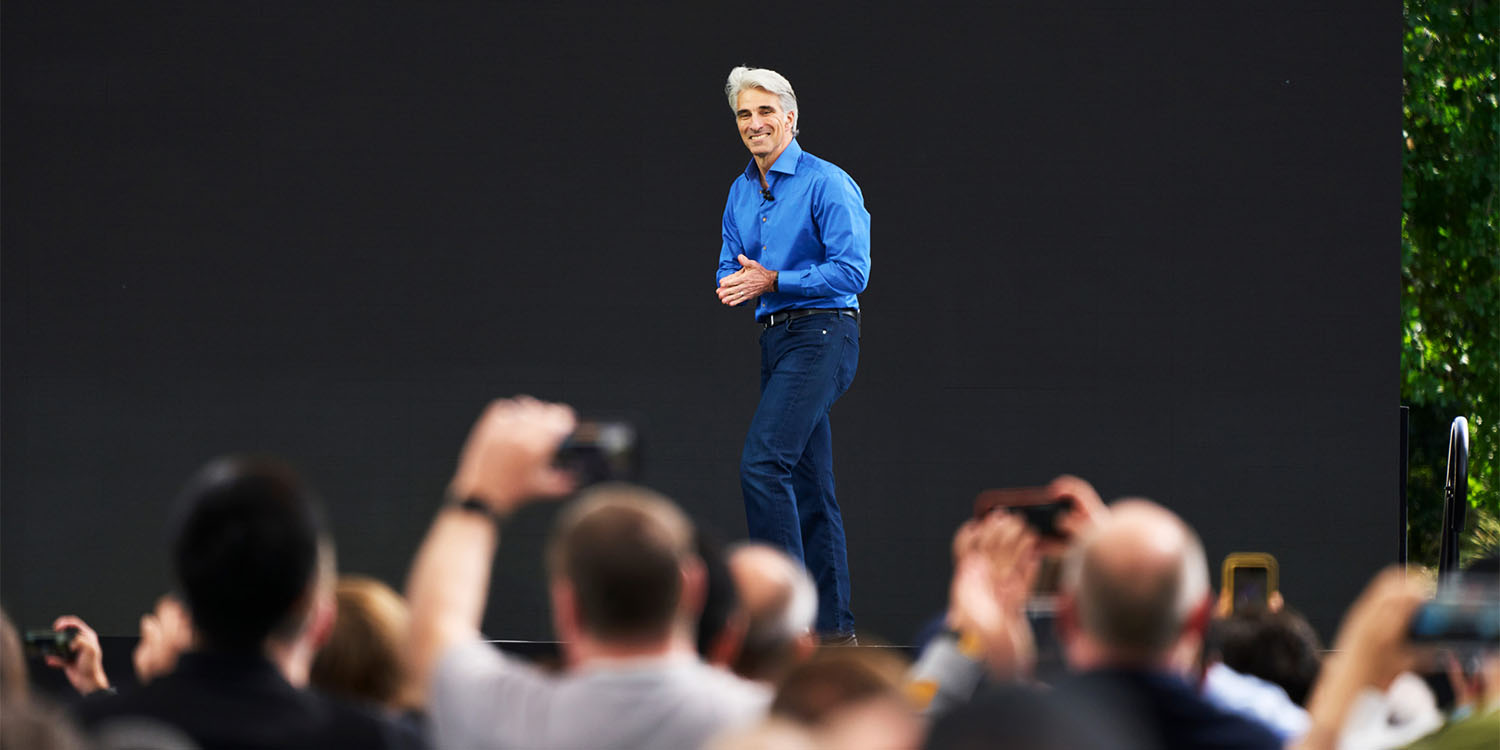
The tension between Ternus and Federighi is not merely about strategy; it is also a reflection of a deeper cultural debate within Apple regarding management style. Federighi has long been celebrated for his hands-on approach to leadership. He is deeply embedded in the technical minutiae of his teams, participating in high-level meetings and exerting significant influence over the final design and functionality of Apple’s software products.
While this approach has historically ensured that Apple’s software remains cohesive and highly refined, it has also created a bottleneck. Sources within the company suggest that Federighi’s management style leaves little room for competing ideas to gain traction. His reputation for vigorously debating opposing viewpoints—using his command of technical details to dismantle proposals he disagrees with—has created a climate where some employees feel their influence is limited.
This environment has reportedly caused friction among members of the software engineering and design teams. These employees, often closer to the day-to-day realities of coding and user experience, sometimes feel that their input is sidelined by the top-down decision-making process. By maintaining such a "firm grip" on the software organization, critics argue that Federighi may be inadvertently stifling the very innovation needed to pivot toward a more aggressive AI-first future.
Furthermore, there is a fundamental misalignment in planning horizons. Federighi’s current strategy tends to focus on a 12-to-18-month development cycle. While this is efficient for consumer-facing software releases, it contrasts sharply with the years-long, multi-generational roadmaps utilized by Apple’s hardware engineering teams. Bridging this gap in planning and coordination is now considered a top priority for leadership.
Leadership Uncertainty and the Road Ahead
The pressure on Apple’s software division is further compounded by broader leadership instability. Mike Rockwell, a critical figure who spearheaded the development of the Vision Pro headset and has played a central role in the evolution of Siri AI, is reportedly considering stepping down.

Rockwell’s potential departure would be a significant blow to the company. He is currently the vice president of Siri engineering, a role that has become the epicenter of Apple’s AI ambitions. His leadership was instrumental in navigating the development of the new, more capable Siri—a project that followed a widely publicized and embarrassing two-year delay. Should he choose to leave, either by stepping down from his specific oversight of Siri or by exiting Apple entirely, it would leave a notable power vacuum in one of the company’s most vital divisions.
The potential for such a leadership shake-up arrives at a delicate moment. Apple is actively experimenting with a new development pipeline designed to modernize its engineering culture. Under this new initiative, the company is reportedly granting engineers 50% more time to focus on coding and exploratory work, while simultaneously reducing the time required for tedious integration tasks. This shift is being enabled by the implementation of advanced, internal coding agents, which are becoming increasingly proficient at handling repetitive aspects of software development.
By offloading the manual labor of integration to AI, Apple hopes to free up its human engineers to focus on the high-level creativity and strategic thinking that defined the company’s past successes.
Ultimately, the path forward for Apple appears to hinge on a transition in leadership philosophy. If the company is to successfully pivot to an AI-dominated future, executives like Federighi may need to decentralize decision-making, allowing emerging leaders within the organization to take more ownership and explore new avenues without the constraints of a singular, hands-on management style.
The challenge for Apple’s executive team is to maintain the high standard of quality that customers expect while accelerating the speed at which they deliver new technologies. Whether they can achieve this balance without losing the cultural identity that has defined them for decades remains an open question. For now, the directive from the top is clear: the status quo is no longer an option. The company must learn to move faster, embrace risk, and empower a broader base of engineers if it hopes to lead in the age of the intelligent agent.