












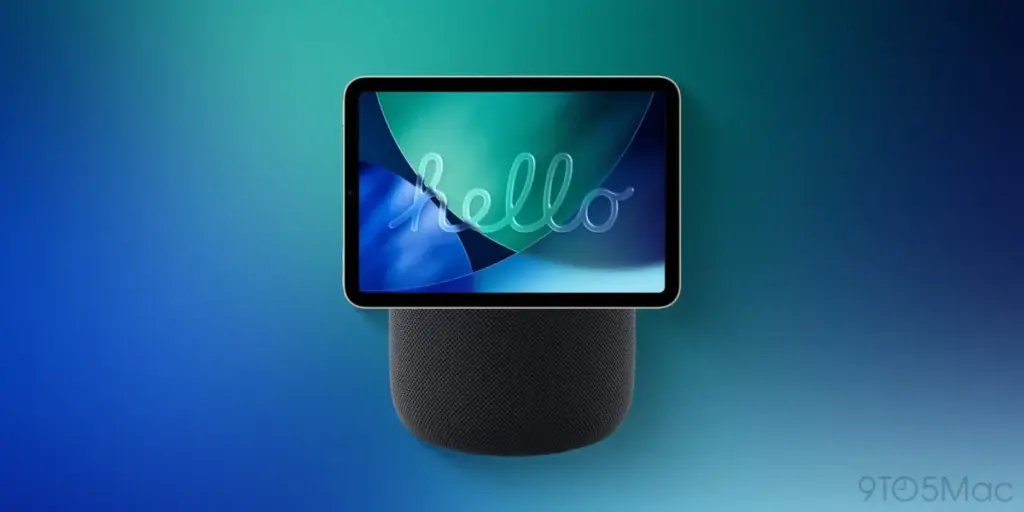
The landscape of the modern smart home is poised for a significant shift as Apple prepares to unveil its latest hardware innovation. According to the latest reporting from Mark Gurman at Bloomberg, the technology giant is finally ready to introduce its long-rumored home hub—a device frequently referred to by industry analysts and enthusiasts as the "HomePad"—as early as next month. This anticipated launch represents a strategic evolution for Apple, marking a departure from its current home-focused hardware ecosystem, which has historically been anchored by the Apple TV streaming box and the HomePod speaker series.
For years, speculation has circulated regarding Apple’s intentions to create a more centralized, screen-equipped device that could serve as the "brain" of a household. While companies like Amazon and Google have long dominated this space with their Echo Show and Nest Hub displays, Apple has taken a more measured, privacy-centric approach to domestic automation. Now, with the successful integration of its new artificial intelligence framework, Siri AI, the company appears ready to bridge the gap between high-end audio performance and interactive, screen-based utility.
A New Strategic Focus on the Home
The forthcoming device is designed to act as a command center, centralizing control over various aspects of the user’s digital and physical environment. By integrating a display into a dedicated home hub, Apple is moving beyond the passive nature of its existing HomePod speakers, which rely heavily on voice commands and remote interaction via iOS devices. This new product is expected to offer a more tactile and visual interface, allowing for deeper integration with the company’s services, such as smart home lighting, security systems, and climate control, while providing a dedicated canvas for the next generation of Siri.

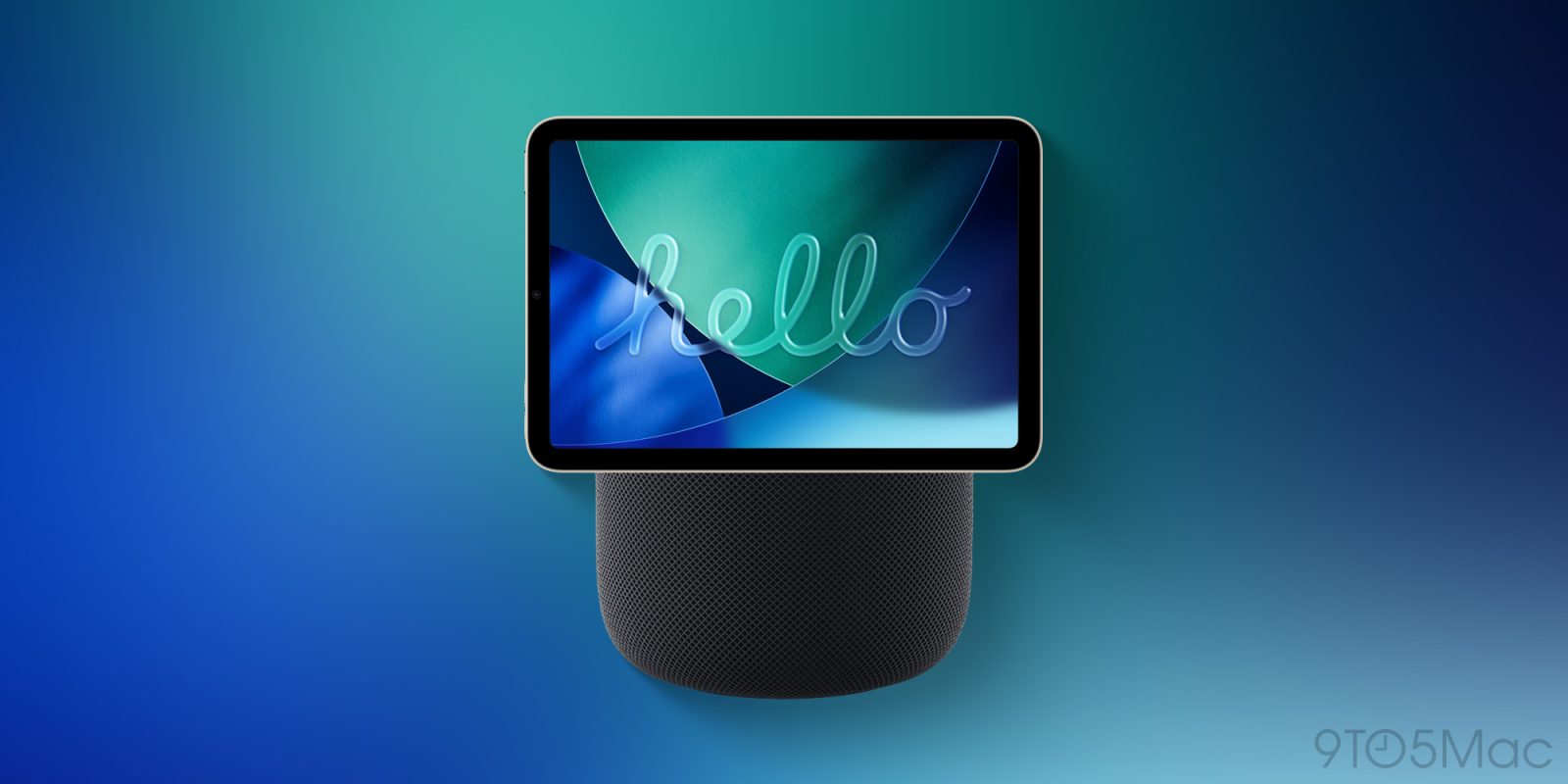
Industry observers note that the timing of this release is not coincidental. Apple has spent the better part of the last year refining its AI capabilities, and the "HomePad" is being positioned as a showcase for these advancements. The integration of Siri AI is expected to be the defining feature of the device, transforming it from a simple hub into a proactive assistant capable of handling complex requests that would have previously required a smartphone or computer. By placing this technology in a fixed, stationary device within the home, Apple is signaling a commitment to ambient computing, where the assistance users require is always available, visible, and responsive.
The Role of Siri AI in the Living Room
The core value proposition of this new hardware lies in its "killer feature": a vastly improved, AI-driven version of Siri. As noted in the recent Bloomberg report, Apple envisions this hub as an essential tool for navigating the vast amount of information scattered across a user’s various devices and cloud accounts. The goal is to provide a fluid experience where the user can interact with the hub as they would a personal assistant, asking questions that require synthesis across multiple applications.
For instance, a user might ask the device to locate a specific song or podcast that was shared by a friend in a message weeks ago, or perhaps request the display of a particular photograph from an iCloud library. Beyond simple media retrieval, the device is expected to handle more sophisticated tasks within Apple’s core productivity suite. Users could potentially ask the hub to manage their calendar, update their Reminders list, or draft notes, all through a streamlined, voice-activated interface that is further augmented by visual feedback on the screen.

This shift toward complex search and execution is a clear move to make the smart home more intuitive. Currently, many smart home commands are limited to binary actions—turning a light on or off, or starting a timer. The new Apple home hub aims to facilitate a more conversational, intent-based interaction, where the device understands context, memory, and the relationship between different types of data. By leveraging the power of Siri AI, Apple is attempting to solve the "discovery" problem, where users often know they have information stored somewhere but struggle to find it quickly without manually searching through multiple apps on an iPhone or Mac.
Expanding the Ecosystem
The launch of the new home hub is expected to be part of a broader refresh of Apple’s home-focused product lineup this October. Alongside the debut of the "HomePad," there is growing anticipation for updates to the Apple TV 4K and the HomePod mini. These updates are likely to focus on internal hardware improvements that better support the processing requirements of the new Siri AI features. As these devices work in concert, they are expected to form a more cohesive, intelligent network throughout the home, with the hub acting as the primary point of entry for the user.
The strategy appears to be one of creating a "walled garden" for the home that is as seamless as the integration between the iPhone, iPad, and Mac. By ensuring that the new home hub, the Apple TV, and the HomePod mini all share a common AI-driven foundation, Apple hopes to lock in users who are already invested in its ecosystem. For those who prioritize privacy and hardware quality, this represents an opportunity to consolidate their smart home devices into a single, unified system that is both powerful and secure.

Market Implications and Future Outlook
The entry of an Apple-branded, screen-equipped home hub into the market creates a significant disruption for existing competitors. While Amazon and Google have established strong footholds with their respective smart displays, Apple’s focus on privacy, high-end design, and superior software integration may appeal to a specific segment of the consumer base that has remained hesitant to adopt third-party smart displays. Furthermore, because the device is built on the foundation of the existing Apple ecosystem, its ability to pull data from other Apple services—such as Messages, Photos, and Calendar—is expected to be a major competitive advantage.
However, the success of the device will ultimately hinge on how well the "Siri AI" performs in real-world conditions. Consumers have been promised "smart" home devices for years, but often find that the voice assistants struggle with nuance, context, or multi-step requests. If Apple can deliver on the promise of an AI that truly understands and executes complex, multi-layered commands, the "HomePad" could set a new standard for the industry.
As October approaches, the focus for both the tech industry and consumers will shift toward the specific technical specifications of these devices. There remain many unanswered questions regarding the size and resolution of the hub’s screen, the processor architecture, and the privacy controls that will be available to users. Nevertheless, the confirmation that a launch is imminent has generated considerable excitement. Whether the device will truly transform the way we interact with our homes remains to be seen, but it is clear that Apple is making a calculated bet on the future of ambient, AI-assisted living.

As the company prepares for its upcoming October event, the tech world will be watching closely to see how these new products integrate with the existing infrastructure. For Apple, this is not just about releasing a new gadget; it is about defining the next chapter of its relationship with the consumer, moving from a company that provides the tools we carry with us to a company that provides the intelligence that powers our homes. Whether this becomes the must-have device of the holiday season will depend on the final execution, but the stage is set for a significant expansion of Apple’s presence in the domestic space.