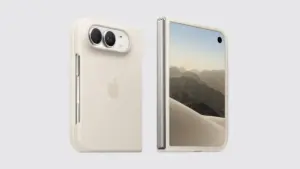










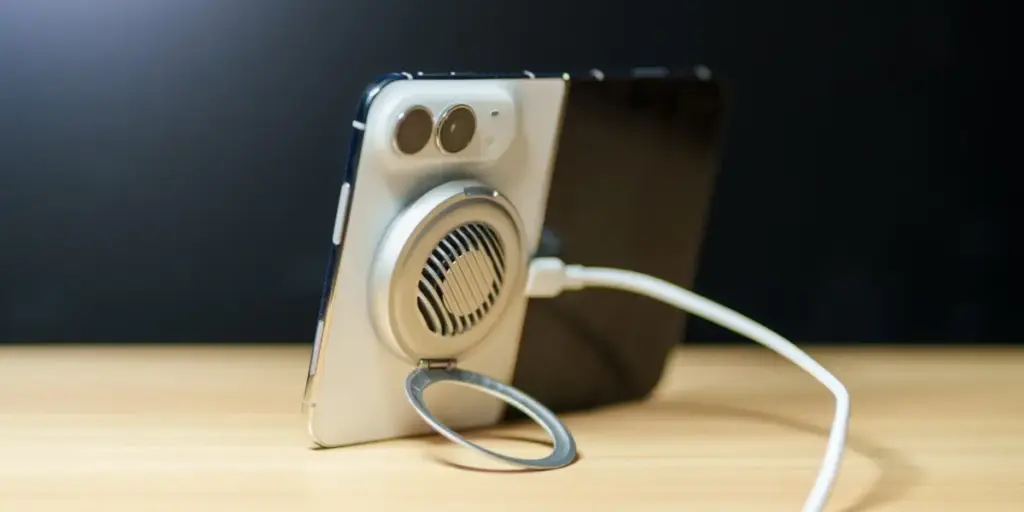
The introduction of the iPhone Duo has fundamentally shifted how users interact with their mobile devices. By offering a significantly larger, expansive internal display, the device opens up a world of productivity, creative workflows, and immersive media consumption that simply wasn’t possible on the standard slab-style smartphones of the past. However, this shift in form factor has introduced a series of unique ergonomic hurdles, particularly when it comes to how users position the device during day-to-day tasks.
One of the most common use cases for a foldable device with a large internal screen is media consumption. Whether you are catching up on the latest streaming series during a commute or viewing high-resolution photography, the screen real estate of the iPhone Duo is a game-changer. Naturally, this has created a demand for ways to prop the device up hands-free. While I previously explored various standalone kickstand accessories, a new, more integrated problem has emerged: how to effectively charge the device while maintaining an optimal viewing angle.

The Conflict Between Power and Position
The physical design of the iPhone Duo presents a specific challenge for power management. Because the charging port is located at the bottom of the device, attempting to use a traditional charging cable while the phone is propped up in a vertical or horizontal orientation often leads to mechanical interference. You are essentially forced to choose between keeping the device powered and enjoying a comfortable viewing experience.

Some users have experimented with using the device upside down to bypass this port obstruction, but this is far from an ideal solution. Reversing the orientation of the device often results in awkward button placement, where the volume and power keys are no longer intuitively accessible. It turns a seamless interaction into a constant struggle against the device’s own hardware architecture. For a premium device that prides itself on sophistication and utility, this is a significant friction point that requires a more elegant, hardware-based solution.

Merging MagSafe with Mechanical Utility
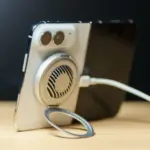
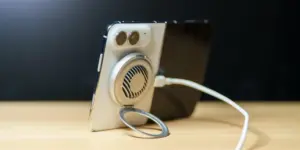
In recent weeks, I have been testing an alternative approach to this power dilemma: the ESR MagSafe puck, which integrates a functional kickstand directly into the charging interface. This accessory addresses the core of the problem by decoupling the power delivery from the device’s physical charging port, leveraging the magnetic capabilities of the iPhone Duo to provide both energy and structural support.
The device is not merely a charging pad; it is a sophisticated piece of hardware that supports the Qi2 wireless charging standard, providing 25W of power. Beyond the raw output, it features active cooling technology, which is particularly relevant for the iPhone Duo. Large-display devices often generate significant thermal output when running high-performance tasks or streaming high-fidelity video; the addition of active cooling ensures that the charging process remains efficient and safe, preventing the thermal throttling that can occur when a device gets too hot while plugged in.

This accessory is not designed exclusively for the iPhone Duo, yet it feels as though it was purpose-built for the device’s specific constraints. The synergy between the magnetic attachment and the built-in kickstand creates a versatile ecosystem for the user. By relying on magnetic alignment rather than a physical cable connection at the base of the phone, the user is free to orient the device in whatever position they find most comfortable. Whether you are in a landscape orientation for a movie or a portrait orientation for a video call, the puck provides a stable, anchored base that keeps the device powered throughout the session.
Performance and Versatility Beyond the Duo
It is important to note that the utility of this charger extends well beyond the unique needs of the iPhone Duo. For users who carry other handsets in the Apple ecosystem, such as the iPhone 18 Pro, the performance metrics are highly competitive. In my testing, the unit successfully fast-charged an iPhone 18 Pro to 50 percent capacity in just 25 minutes, making it a viable primary charging solution for a wide range of devices.

The design of the charger also reflects a focus on aesthetics and personal style, which is increasingly important for desk setups and bedside tables. It is currently available in three distinct finishes: white, black, and burgundy. The pricing structure is also competitive, with the white and black models retailing for $36.99, while the premium burgundy finish is available for $42.99. These price points make the accessory an accessible entry point for those looking to resolve the inherent limitations of standard cable-based charging.
As the industry continues to experiment with folding display technology, the accessory market must adapt to solve the physical constraints that accompany these new form factors. The integration of magnetic charging with mechanical support is likely to be a growing trend, as it minimizes the need for bulky, case-integrated kickstands that can add unnecessary weight and thickness to an already substantial device.

For current owners of the iPhone Duo, finding the right accessories is essential to fully unlocking the potential of the hardware. The frustration of trying to balance a device while a charging cable pushes against the desk surface is a relic of the past, provided the right equipment is used. By moving away from port-dependent charging and embracing the freedom of magnetic, stand-integrated solutions, users can finally enjoy the immersive experience of the internal display without worrying about battery life or awkward ergonomics. It is a subtle but impactful shift in the way we power our technology, ensuring that the device remains as functional as it is impressive.