








For the vast majority of Avatar: The Last Airbender, the elemental system of bending appeared to follow a strict set of environmental rules. Firebenders, fueled by their internal drive and the heat of the sun, were effectively self-sufficient. Earthbenders could find raw materials in the ground beneath their feet, and airbenders were essentially surrounded by their element at all times. Water, however, was the great equalizer—and the great limitation. Katara, arguably the most talented waterbender of her generation, spent most of the series tethered to her trusty water skin, a constant reminder that her power was entirely dependent on her access to a physical liquid source. To be a waterbender in the arid expanse of the Si Wong Desert was to be essentially powerless, a reality that left the group vulnerable and forced them to rely on their wits rather than their combat abilities.
However, mid-way through the show’s final season, the series shattered this perception, revealing that the limitations of waterbending were not a lack of resources, but a lack of moral flexibility. On November 9, 2007, the episode titled "The Puppetmaster" aired, introducing the world to bloodbending—a horrifying application of waterbending that allowed a practitioner to seize control of the water within a living organism. Nineteen years later, the legacy of that episode remains one of the most significant pivots in the Avatar franchise, marking the moment where the series transitioned from a standard hero’s journey into something far more psychological and dark.
A Turn Toward the Macabre
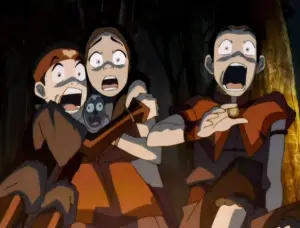
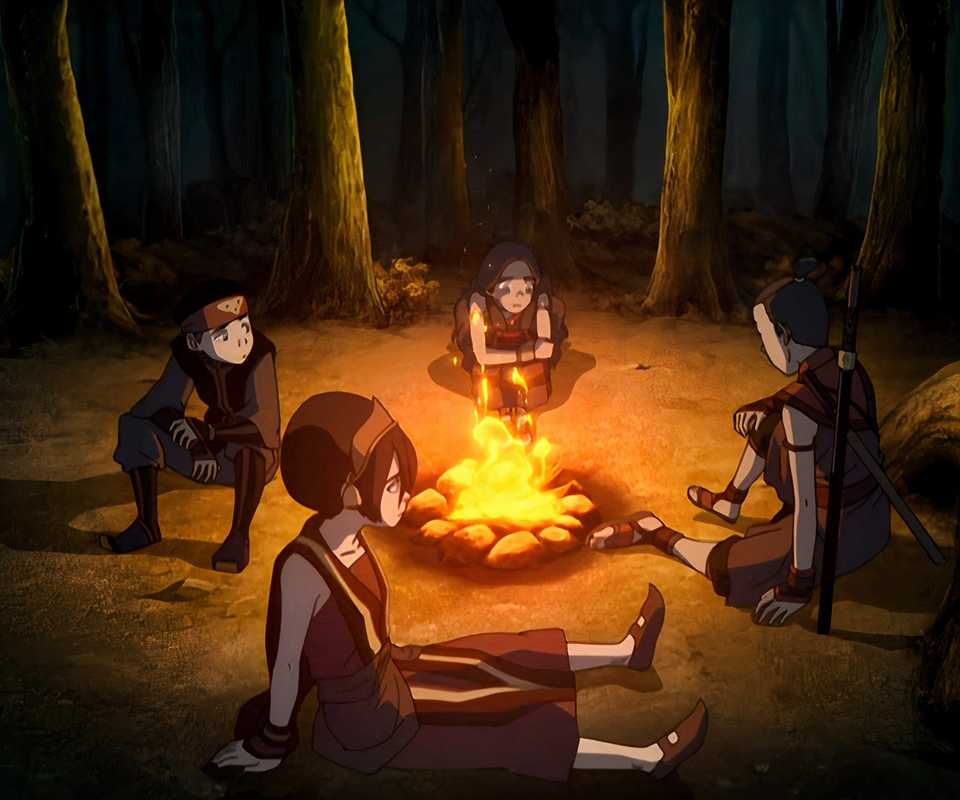
"The Puppetmaster" begins under the guise of a classic campfire ghost story. The gaang, currently traveling through the Fire Nation, encounters an elderly innkeeper named Hama. Beneath her hospitable exterior, Hama is revealed to be a long-lost waterbender from the Southern Water Tribe, a survivor of the very purges that left Katara as the last of her kind. For Katara, this meeting is initially a dream come true; she finally has a mentor who understands her heritage.

The horror, however, emerges through necessity. Hama teaches Katara that a waterbender need not carry a skin of water if they are willing to look elsewhere. She demonstrates the ability to draw moisture from the air and pull water directly from the cellular structure of plants. While this seems like a tactical masterstroke—a way to ensure a waterbender is never truly defenseless—the cost is immediate and disturbing. To harness the water from the fire lilies, Hama must destroy them. It is an act of extraction that prioritizes utility over the sanctity of life, serving as a chilling prelude to the true nature of her power.

By this point in the series, the show had already established that the "rules" of bending were more like suggestions for those with enough skill and imagination. Lightning generation had pushed the boundaries of firebending, and Toph’s discovery of metalbending in Book 2 proved that if a bender could understand the essence of a material, they could control it. But where metalbending was a triumph of innovation, bloodbending was a perversion of nature.
The episode links this power to the moon, reinforcing the established lore that the tides and the lunar cycle govern waterbending. Hama, having spent years imprisoned in the Fire Nation, was forced to experiment on rats in her cell, eventually learning to manipulate the biological fluids within their bodies. By the time the gaang meets her, she has escalated this practice to include the kidnapping and puppeteering of innocent Fire Nation villagers, acting out a cycle of vengeance for the trauma she endured.
The Burden of the Power
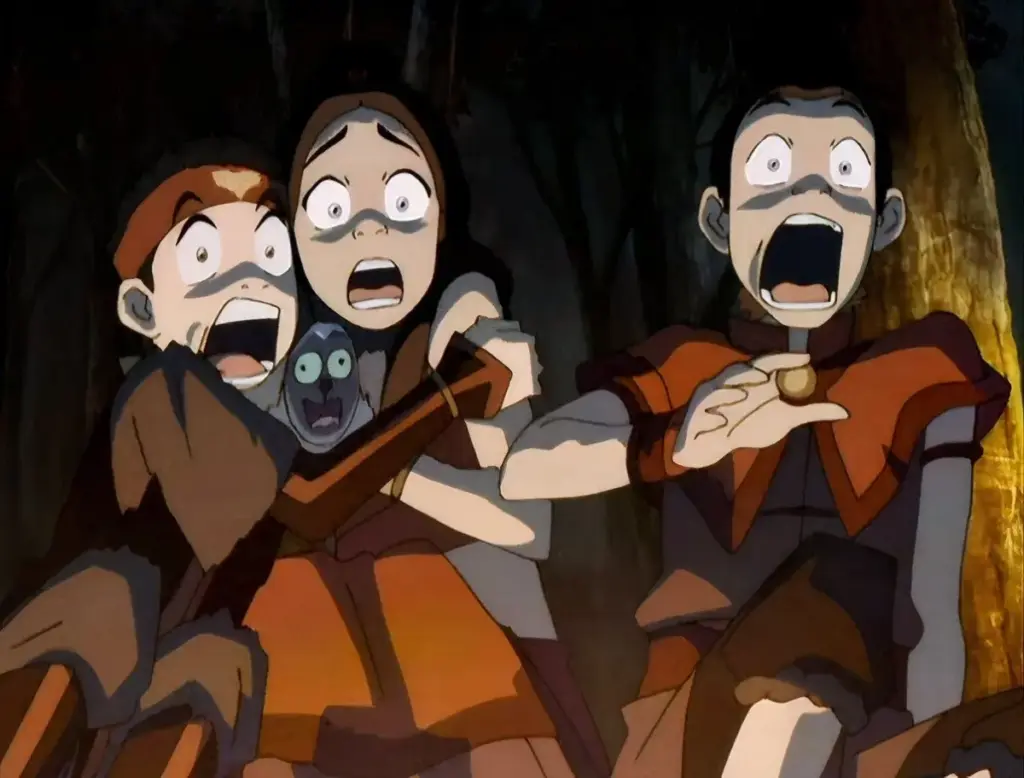
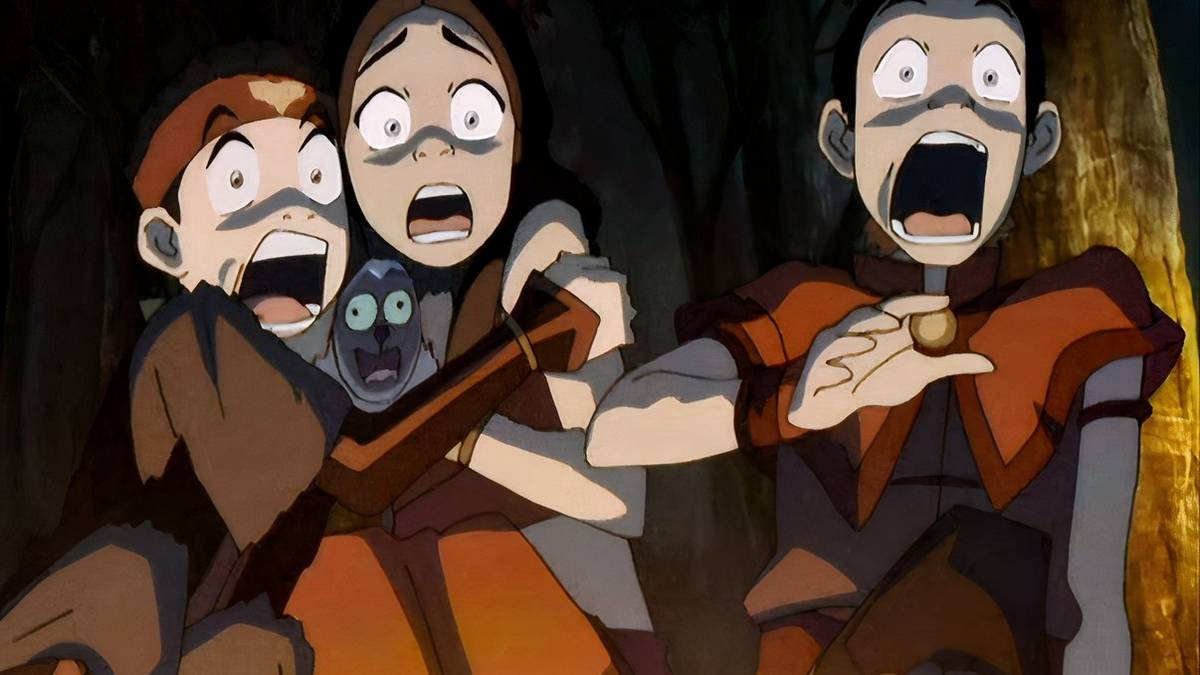
The climax of "The Puppetmaster" is not merely a battle of strength, but a battle of conscience. When Hama uses her bloodbending to force Aang and Sokka to fight one another, Katara is pushed to the absolute brink. To save her friends, she is forced to do the unthinkable: she uses bloodbending against Hama.
The weight of this moment cannot be overstated. Katara, the moral compass of Team Avatar, is compelled to utilize a technique that violates every principle she holds dear. The episode does not frame this as a heroic victory; it ends with Katara weeping, horrified by her own capacity for evil. Hama, conversely, dies with a laugh, satisfied that she has successfully corrupted the next generation of waterbenders. This narrative choice serves as a stark reminder that power in the Avatar universe is inherently neutral—it is the intent of the wielder that defines it as a gift or a curse.

The Long-Term Impact on The Legend of Korra
The ripples of "The Puppetmaster" extended far beyond the conclusion of The Last Airbender. When the franchise returned years later with The Legend of Korra, the world had moved on, but the specter of bloodbending remained a central threat. By the era of Republic City, advanced bending techniques had become commonplace—metalbending was the bedrock of law enforcement, and lightning was used to power the city’s grid. Yet, bloodbending remained the most feared of all forbidden arts.
The antagonist of the first season of The Legend of Korra, the masked revolutionary Amon, represented the terrifying potential of this art form. Amon was eventually revealed to be Noatak, a waterbender from the Northern Water Tribe who, along with his brother Tarrlok, had been raised by their father, the criminal mastermind Yakone, to be a weapon of vengeance. Yakone had been a man of immense power, capable of bloodbending multiple people at once, including the Avatar himself. When he was eventually brought to justice by Aang in the Avatar State, he passed his legacy of hate onto his sons.
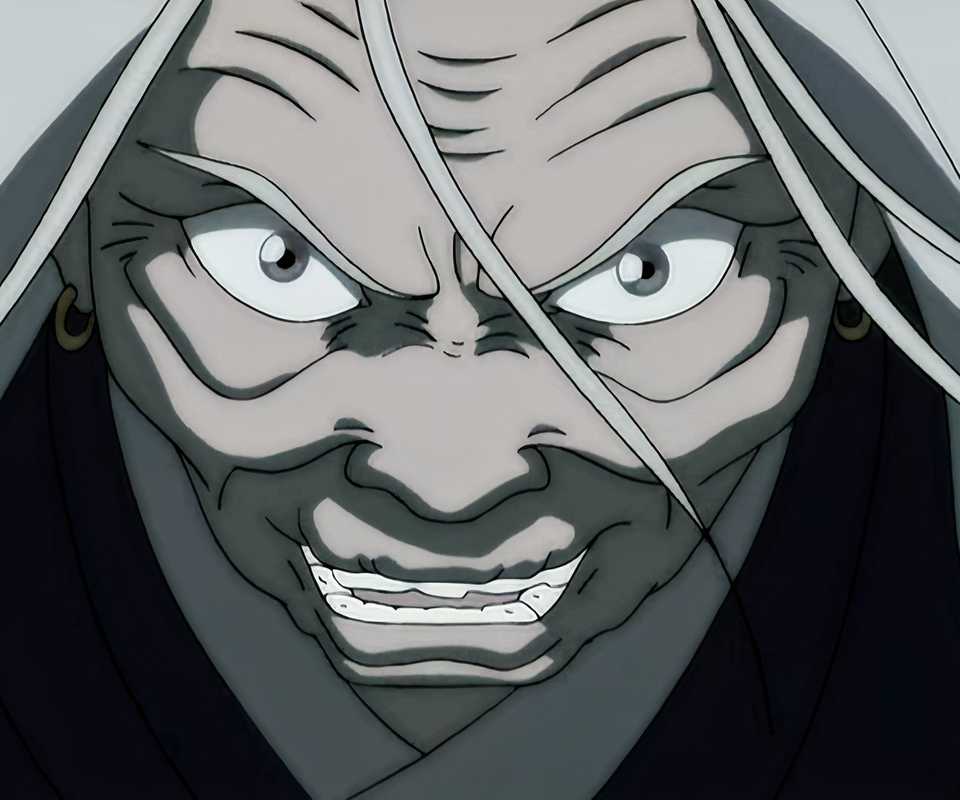
Noatak, operating as Amon, did not just use bloodbending to control bodies; he developed a way to permanently sever a person’s connection to their internal energy, effectively stripping them of their bending. This ability turned the most personal, intimate form of violence into a political tool for insurrection. The fear generated by this technique was not just physical—it was existential. The idea that one’s very identity and connection to the spirit of the world could be forcibly removed by a bloodbender created a sense of dread that permeated the entire season.
A Legacy of Moral Complexity
The irony of the situation is perhaps best captured by the conclusion of The Legend of Korra’s first season. After Amon succeeds in taking away Korra’s ability to bend, it is Katara—the same woman who was forced to learn bloodbending in a dark, moonlit forest years prior—who is called upon to attempt to heal the damage.

Coming full circle, Katara is confronted with the ultimate consequence of the very power she swore never to use. While the show ultimately offers an uplifting resolution, with Korra reconnecting with her past lives and Aang restoring her abilities, the damage done remains a landmark moment in the franchise. The series never backed away from the implications of "The Puppetmaster." It recognized that if you open the door to manipulating the water inside living things, you open a door to a darkness that can consume even the most virtuous heroes.
Nineteen years after its debut, "The Puppetmaster" remains a masterclass in how to expand a world’s lore while raising the stakes of its moral landscape. It transformed water from a simple, life-giving element into a vessel for the most intimate and terrifying forms of control. For fans of the series, the memory of Katara’s tears is just as potent as the sight of the bloodbending itself—a somber reminder that the most dangerous power is the one that forces a person to lose a piece of their humanity in order to survive.