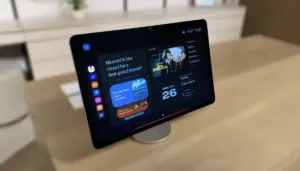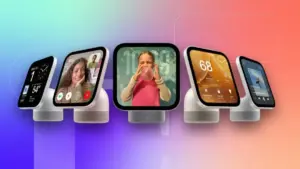










Following its major home tech showcase in October—which also introduced the HomeView smart display—Apple has officially released the HomePod Mini 2 smart speaker, priced at $150. For diehard Apple enthusiasts looking for a home audio upgrade or a new smart assistant hub, a pressing question remains: Is the Mini 2 truly worth the investment, especially given its higher price tag compared to the original model? To find out how the new speaker holds up in everyday use, testing across design, audio streaming quality, smart home compatibility, and upcoming Siri AI capabilities provides a clearer picture of whether Apple’s latest compact speaker deserves a spot in your home.
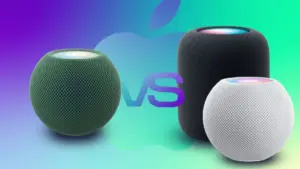
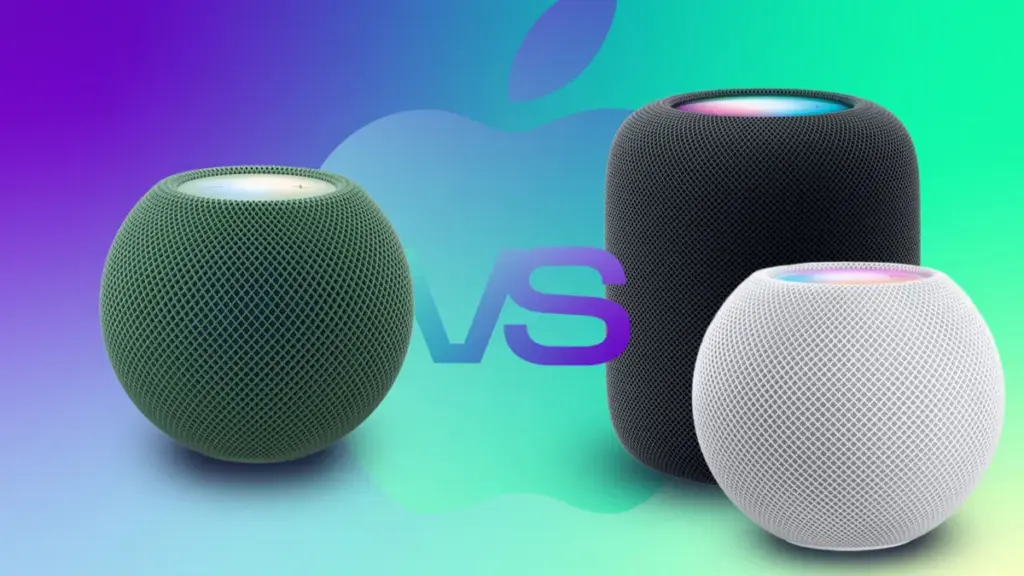
When evaluating the lineup, it is also helpful to look at how the Mini 2 performs against Apple’s larger second-generation standard HomePod, which currently retails for around $349. While that represents a significant price jump, comparing the entire hardware family helps determine where Apple’s latest audio engineering truly shines.
Design and Hardware

Examining Apple’s design philosophy reveals just how little has changed at the physical hardware level. Right down to the technical specifications, dimensions, and weight, the Apple HomePod Mini 2 is remarkably similar to its predecessor, save for a refreshed selection of color options. Even the technical descriptions provided by Apple for the internal driver and tweeters remain word-for-word identical.

However, two distinct physical differences stand out upon closer inspection. The first is the inclusion of the upgraded Apple S10 chip, a massive leap forward from the S5 chip found inside the original Mini. Apple notes that this advanced silicon plays a crucial role in computational audio, dynamically adjusting sound profiles based on environmental data. In practical use, this processing power makes Siri noticeably faster and more responsive, setting a strong foundation for upcoming AI integrations.
The second addition is a subtle "Sound Glow" feature that emits a gentle light while music plays, though users retain the option to turn it off entirely. Acting mostly as a modest nightlight, this aesthetic touch does not fundamentally alter the core functionality of the speaker, keeping the hardware comparison essentially tied.
Audio Performance
While Apple heavily marketed the upcoming Siri AI functions during the launch of the Mini 2, audio quality remains a primary focal point for everyday listeners. Even though official spec sheets downplay internal acoustic changes, real-world listening tests reveal distinct differences between the generations.
Side-by-side comparisons using lossless Apple Music tracks streamed across various room positions show that the HomePod Mini 2 delivers a noticeably louder and clearer sound profile than the first-generation Mini. Whether driven by advanced computational audio adjustments or hidden hardware tweaks, the acoustic output is a distinct step forward for such a compact enclosure.

By comparison, bringing the larger standard HomePod into the rotation at matching volumes demonstrates the sheer acoustic power of Apple’s larger speaker, which easily outperforms both Mini models with deeper bass and a much wider dynamic range. For listeners prioritizing absolute sound fidelity within the HomePod ecosystem, the larger model remains unmatched, albeit at a much higher cost.
For broader compatibility, users are not strictly limited to Apple Music. AirPlay allows audio streaming from popular third-party services like Spotify, while direct service integrations enable dedicated music playback from platforms like Pandora.
Siri AI Capabilities
Testing the much-discussed Siri AI functions remains an ongoing process, as these advanced capabilities have not yet fully rolled out to the HomePod Mini 2, despite arriving on iPhones and iPads. While personal testing of conversational requests, follow-up commands, and contextual information retrieval works seamlessly on mobile devices, Siri on the Mini 2 has yet to integrate those specific features.
Nevertheless, two critical observations emerge for prospective buyers. First, the HomePod Mini 2 is slated to be the sole HomePod speaker to receive these advanced Siri AI capabilities, as older HomePod models will miss out on the update. This exclusive software support could heavily influence upgrading decisions for current smart home users.

Second, the upgraded processing power makes Siri the fastest in-home virtual assistant available. Its rapid, near-instant responses comfortably outpace competing platforms like Gemini for Home and Alexa Plus, though overall capabilities will ultimately depend on future software updates and potential iCloud subscription requirements for certain advanced features.
Smart Home Features
Beyond music playback and voice control, a smart speaker’s core utility lies in its ability to connect and manage automated household accessories. For Apple users, the integration process is typically streamlined. Setting up devices within the Apple Home app—such as smart lighting, door locks, security sensors from brands like Ikea, and smart plugs—is fast and straightforward. Once configured, these accessories can be controlled seamlessly across any HomePod model, meaning basic compatibility remains uniform across generations unless complex, upcoming Siri AI commands are required.
The trade-off for this streamlined ecosystem is that Apple maintains a smaller device compatibility pool compared to major competitors like Amazon Alexa, Google Home, and Samsung SmartThings. While Apple continues expanding support through new device partnerships, buyers should always verify Apple Home, HomeKit, or Siri certification before purchasing third-party smart home hardware. Additionally, enabling Apple Intelligence is necessary to unlock advanced features like automated security camera descriptions.
Cost and Value

When examining the financial investment, the HomePod Mini 2 launches at $150, sitting $20 higher than the original HomePod Mini, which currently starts at $130. A modest $20 price bump is relatively minor given the noticeable improvements in audio clarity and future-proofing for Siri AI, aligning closely with typical generational price adjustments seen across competing smart speaker lines.
For buyers choosing between the older and newer Mini models, spending the extra $20 is easily justified by the improved acoustic output and upcoming software support. However, owners of the first-generation HomePod Mini will need to weigh whether enhanced audio performance and future AI features warrant a replacement.
Alternative Options in the Smart Speaker Market
Apple is far from the only manufacturer offering new smart home hardware. Consumers looking to explore alternative ecosystems have several compelling options to consider.
The Google Home Speaker, priced more affordably at $100, replaces Siri with Gemini for Home while offering a similar form factor. For dedicated music listening, the Google Home speaker serves as a strong alternative, delivering substantially heavier bass and a richer sound profile than the Mini 2 at matching volume levels, making it an impressive option for $50 less.

Meanwhile, buyers seeking a high-end audio upgrade without paying Apple’s top-tier prices can look to Amazon’s newest Echo Studio model, priced at $220. Designed for larger spaces, the latest version even includes provisions for a built-in security camera toward the end of the year, though privacy concerns surrounding Alexa may influence some buyers’ decisions.
Final Verdict
For Apple users who do not yet own a Siri-enabled smart speaker, the HomePod Mini 2 easily justifies its $150 price tag through improved audio performance alone. For existing owners of the original HomePod Mini, upgrading makes the most sense if access to upcoming Siri AI capabilities is a priority, as the Mini 2 is the only compact model designated to receive them.
Users who place little value in AI features and are satisfied with their current first-generation Mini can comfortably skip this hardware cycle. While the larger standard HomePod vastly outperforms the smaller models in pure sound quality, its substantially higher price point positions it in an entirely different category of home audio equipment.
Tyler Lacoma is a Senior Editor covering home security and smart home technology at Cnet, bringing over a dozen years of hands-on testing experience to consumer tech journalism.