








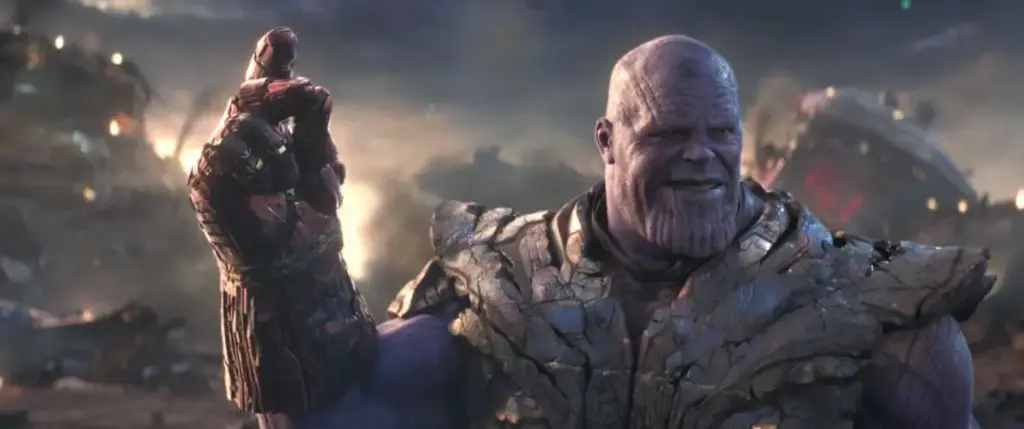
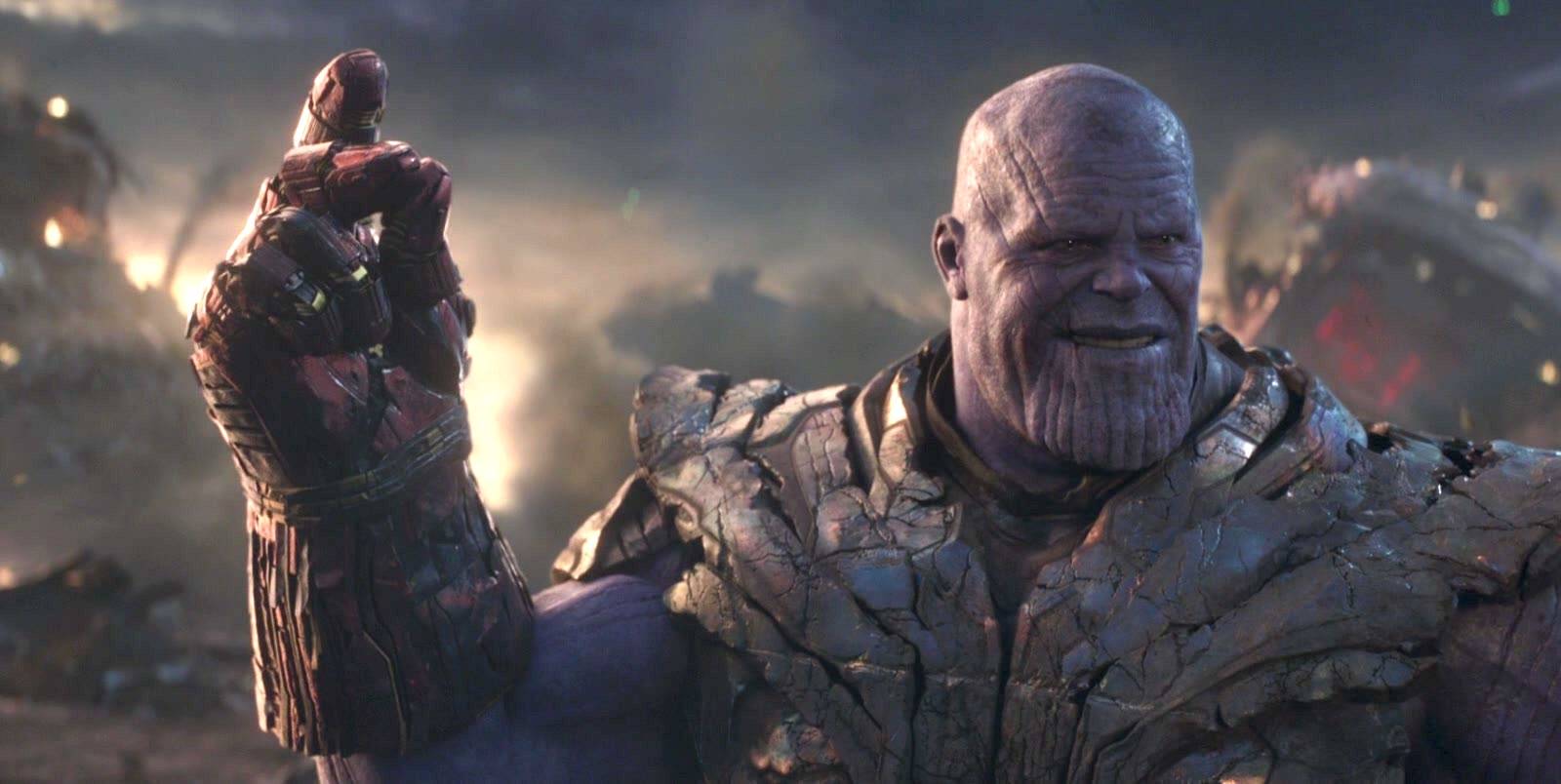
With the highly anticipated theatrical debut of Avengers: Doomsday now just over a month away, Disney has provided a strategic bridge for fans eager to align their viewing history with the evolving Marvel Cinematic Universe. On November 13, the studio will officially bring Avengers: Endgame – Encore to the Disney Plus streaming platform. This updated cut of the 2019 blockbuster serves as a crucial narrative link, integrating new footage designed to set the stage for the upcoming clash with Doctor Doom.
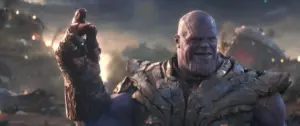
The release of Encore follows a successful, albeit limited, theatrical run that began on September 25. During that window, the film managed to pull in $142.9 million, bolstering the total lifetime gross of Avengers: Endgame to an staggering $2.942 billion. This figure has solidified its position in the ongoing, high-stakes battle for the title of the highest-grossing film in history—a crown that has frequently shifted between the MCU epic and James Cameron’s Avatar. While Endgame initially took the top spot upon its 2019 debut, a 2021 re-release of Avatar briefly reclaimed the lead for the sci-fi franchise. With these latest figures, the historical tug-of-war continues, but for the average viewer, the significance of Encore lies less in the box office math and more in the four minutes of additional content that effectively realign the MCU’s trajectory toward its next major crossover event.
What’s Different in Avengers: Endgame – Encore?
For fans who missed the limited theatrical engagement, the streaming release provides a convenient opportunity to witness the connective tissue being woven into the fabric of the Infinity Saga’s conclusion. The Encore version extends the total runtime of the original film by four minutes, adding four distinct sequences that provide context for the upcoming Doomsday narrative. These additions consist of an extended ending and three specific credits sequences—two mid-credits and one post-credits scene.

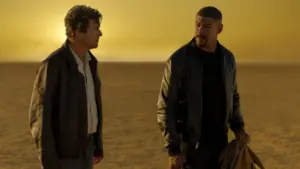
The extended ending offers a significant departure from the original conclusion, where Steve Rogers opted to remain in the past with Peggy Carter. In this new version, the peaceful life of the retired Captain America is interrupted by an unexpected visitor: a variant of Loki. This iteration of the God of Mischief pledges his assistance, a development that provides a narrative justification for the return of Captain America in Avengers: Doomsday, despite his apparent departure from the active superhero life at the end of Endgame.
The mid-credits sequences further expand the scope of the threat posed by the upcoming film. In the first of these, audiences see Bruce Banner, the Hulk, confined to a military complex. This isolation is explicitly linked to an “incident”—a nod to the events of Spider-Man: Brand New Day. As Banner attempts to conduct experiments aimed at suppressing the volatile gamma radiation surging through his body, the scene culminates in his sudden abduction by Doctor Doom, who teleports him directly out of the secure facility.
The second mid-credits scene leans heavily into the complex multiverse lore established by the Loki television series. The sequence centers on the Time Variance Authority, specifically featuring Ouroboros, Casey, and Mobius M. Mobius. The trio monitors a critical malfunction: the collision of Earth-10005 and Earth-1127. As they observe the catastrophic intersection of these alternate realities, it becomes clear that the multiverse is suffering from a rapid, systemic collapse.
Finally, the post-credits scene provides a stark, atmospheric teaser. Throughout the credits, the audience hears the rhythmic, metallic sound of a hammer striking an anvil. The final shot reveals the source: Doctor Doom, meticulously forging his iconic mask.
A New Path for the Avengers
These additions are vital because they bridge a gap that many fans felt was missing in the lead-up to Avengers: Doomsday. When Marvel built toward Avengers: Infinity War and the subsequent Endgame, the studio spent years carefully layering the presence of Thanos and the significance of the Infinity Stones. The journey felt deliberate and earned. Conversely, the path to Doomsday has been notably more turbulent and, in many respects, more hurried.
The shift in direction became necessary following the events of 2022, when Disney originally announced that the next major Avengers ensemble piece would be titled The Kang Dynasty. That project was intended to center on the multiversal threat of Kang the Conqueror, portrayed by Jonathan Majors. However, those plans were abruptly scrapped following the 2024 legal proceedings in which Majors was found guilty of assault and harassment charges.
Facing a significant narrative pivot, Marvel Studios chose to abandon the Kang-centric storyline entirely. By the middle of 2024, the studio had officially unveiled a new direction for the franchise, centering the stakes on the arrival of Doctor Doom. The insertion of these new scenes into Avengers: Endgame acts as a retroactive recalibration, ensuring that the transition from the Infinity Saga to the era of Doom feels grounded in the established history of the MCU, even if that pivot occurred later than originally intended.
As viewers prepare for the theatrical release of Avengers: Doomsday on December 18, the Encore cut on Disney Plus serves as both a refresher and a vital primer. By weaving in these moments of multiversal instability and introducing the presence of its new primary antagonist, the studio is attempting to ensure that the transition to the next phase of the Marvel Cinematic Universe lands with the necessary gravity and coherence for a dedicated fan base.