








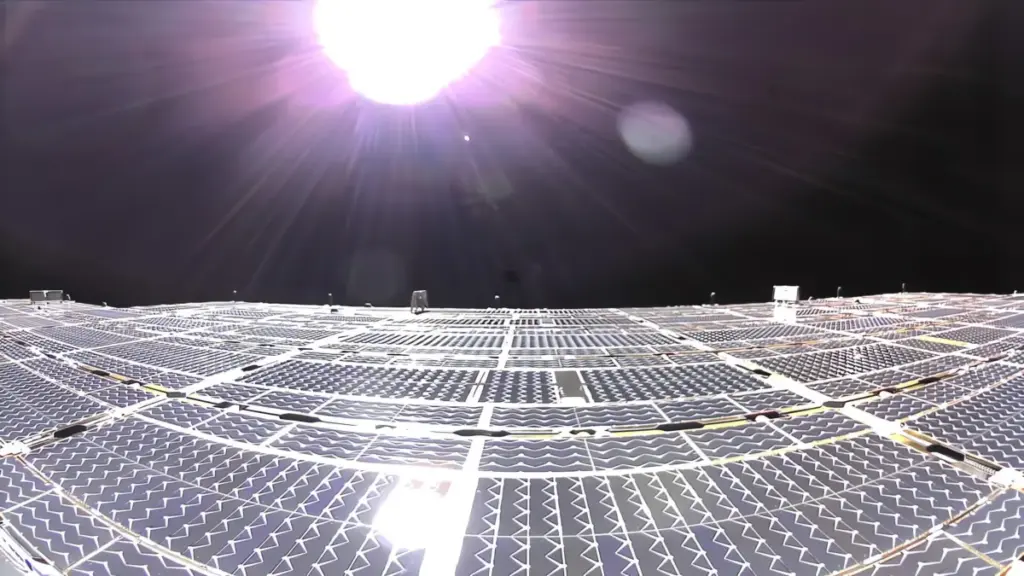
While aerospace giant SpaceX presses forward with plans to compete directly with traditional carriers through a standalone Starlink hybrid satellite and terrestrial network, rival satellite operator AST SpaceMobile is taking a markedly different approach. Instead of bypassing established mobile network operators, AST SpaceMobile is deeply integrating its technology directly with major telecommunications partners to extend high-speed mobile broadband to remote "not-spots." Recent updates from global carriers AT&T and Rakuten Mobile highlight this collaborative strategy, demonstrating that both companies are moving steadily closer to commercial direct-to-device (D2D) services, even as they navigate complex engineering hurdles and withhold definitive commercial launch dates.
The technical complexity of fusing traditional cellular networks with orbiting satellite infrastructure was underscored recently by AT&T, which heralded a successful cellular-to-satellite call handoff as a major milestone for its D2D service strategy. During testing, the carrier achieved a seamless connection by combining terrestrial cellular networks—utilizing Ericsson radio and core technology equipped with specialized automation for faster transitions—with AST SpaceMobile’s space-based network infrastructure, which incorporates Nokia radio access technology and advanced mobility software.
Brian Walsh, principal product development engineering at AT&T, offered a vivid analogy to illustrate the sheer difficulty of the engineering feat. According to Walsh, while a typical cellular handoff between two terrestrial towers is akin to a driver smoothly switching lanes on a highway, executing a handover from a terrestrial tower to a fast-moving satellite in low Earth orbit is "like going from the highway to a moving plane — and that’s what’s so challenging about it."

This technological achievement stands in stark contrast to existing consumer-grade direct-to-device satellite services, such as those currently deployed by Starlink. Under existing configurations, a standard smartphone call typically disconnects entirely once a user moves beyond the edge of traditional terrestrial cellular coverage, requiring the device to establish an entirely new, independent connection with an overhead satellite. AT&T’s approach, by comparison, seeks to eliminate these disruptive drops in service.
AT&T consistently views satellite connectivity as a complementary layer to its existing extensive fiber and wireless footprint, designed explicitly to eliminate dead zones and maintain continuous coverage without dropped calls. Following the recent successful handoff milestone, the carrier’s next operational phase will involve a controlled beta testing period ahead of the eventual rollout of commercial services. However, AT&T has not yet specified a definitive timeframe for this commercial debut. This caution follows earlier projections made in January, when the carrier indicated that it intended to initiate its beta service program sometime in the first half of this year.
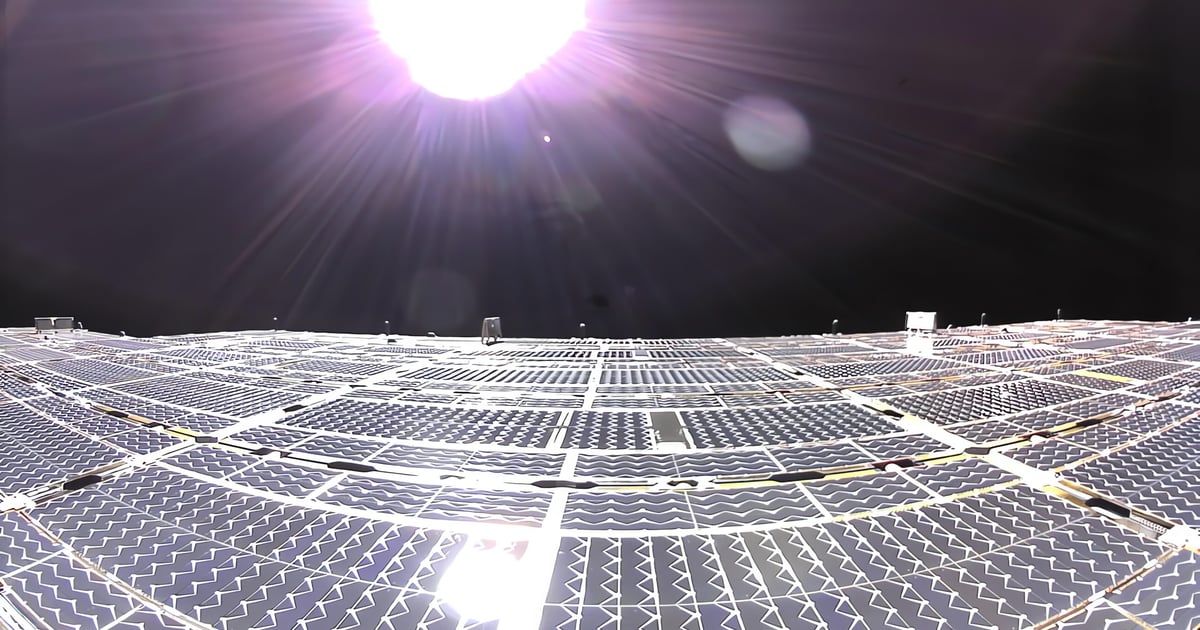
Meanwhile, halfway across the globe in Japan, Rakuten Mobile has been pursuing a similar integration path through a long-standing collaboration with AST SpaceMobile that dates back to 2000. Speaking during a virtual event at the Mobile Network Innovation Summit dedicated to non-terrestrial networks (NTN), Hyungmin Ha, vice director for advanced technology engineering at Rakuten, emphasized that the carrier’s relationship with AST SpaceMobile goes far beyond a standard commercial vendor-customer transaction. Instead, Ha characterized the relationship as a strategic partnership rooted in shared financial investment and a common long-term vision.
Rakuten is actively aiming for a commercial launch of its satellite-backed mobile services alongside AST SpaceMobile in the near future. However, Ha acknowledged that the initial commercial offerings will likely be quite limited in scope. The primary constraint, he explained, stems from the current size of the operational satellite constellation. With only a limited number of satellites currently in orbit, testing remains constrained. For instance, the carrier is currently unable to support continuous, uninterrupted video calls because individual satellites fly overhead for only brief windows, providing just four to six minutes of continuous satellite connectivity per pass.
Despite these near-term operational limitations, Rakuten is already looking far ahead, exploring deeper network integration strategies to support future mobile services and lay the technological groundwork for upcoming 6G standards.
Addressing the overarching technical hurdles of non-terrestrial networking during the summit, Ha pointed directly to integration as the central obstacle facing the industry. The true quality of a next-generation mobile service, he argued, does not reside exclusively within the satellite payload or the terrestrial ground network infrastructure, but rather in the flawless harmonization between the two domains. If that critical link fails, service degradation is not the only risk; the connection simply vanishes entirely. Consequently, Ha stressed that system integration is far more than a mere technical detail, describing it instead as the decisive factor that separates operational excellence from widespread chaos.
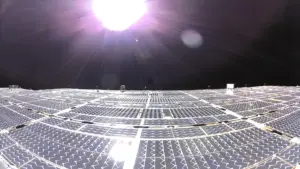
Despite the steady engineering progress reported by its carrier partners, AST SpaceMobile has faced noticeable setbacks regarding its ambitious satellite deployment schedule. The operator recently adjusted its projections, indicating that it now expects to have 45 commercial satellites successfully deployed in low Earth orbit by early 2027. This specific threshold is widely considered by the company to be the minimum number required to achieve continuous national coverage across the United States. Currently, however, the company has only 13 satellites actively orbiting the Earth.
The timeline places AST SpaceMobile in a high-stakes race against well-funded competitors. SpaceX is moving forward with plans to begin launching its next-generation D2D satellites as early as next year. These upcoming SpaceX spacecraft will also feature advanced NTN network integration capabilities, with commercial services targeted for a rollout in early 2028. As both camps race to close the gap between terrestrial and space-based communications, the success of these emerging direct-to-device ecosystems will ultimately depend on overcoming the formidable integration challenges highlighted by network operators worldwide.