








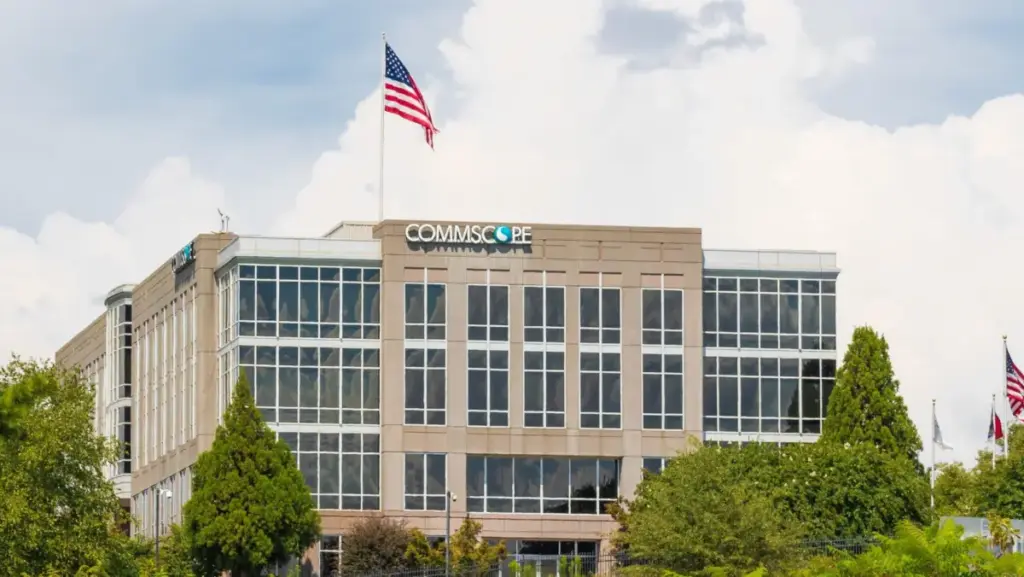
Chuck Treadway, the president and chief executive officer of Vistance Networks—who spearheaded the high-profile sale of multiple core divisions of the company over recent years to alleviate a crippling debt burden—is stepping down from his post on February 1, 2027. Alongside his departure from the chief executive role, Treadway will also relinquish his seat on the company’s board of directors, marking the end of a transformative multi-year chapter for the telecommunications and networking infrastructure firm.
Treadway originally joined the enterprise, which was then widely known as CommScope, back in 2020. Upon taking the helm, he immediately embarked on an aggressive, years-long restructuring initiative. This strategic overhaul ultimately led to the methodical, high-stakes sales of several major business units. These crucial divestitures successfully generated billions of dollars in capital, allowing the company to untangle itself from a massive debt load that had long weighed heavily on its financial health and operational flexibility.
The most recent major transaction occurred this past May, when Vistance struck a definitive deal to sell its enterprise networking division, Ruckus Networks, to Belden for $1.84 billion in cash. Prior to that transaction—while the organization still operated under the CommScope banner—executives engineered two other landmark divestitures. The company unloaded its Outdoor Wireless Networks (OWN) unit and its expansive Connectivity & Cable Solutions (CCS) unit to Amphenol in a combined transaction valued at a staggering $12.6 billion. Notably, as part of that sweeping agreement, Amphenol also acquired the iconic CommScope corporate brand name itself.

Following these successive asset sales, the surviving corporate entity was rebranded as Vistance Networks. The streamlined organization retained Aurora Networks, the specialized unit focused heavily on advanced cable and Passive Optical Network (PON) products and technologies. In addition to Aurora Networks, Vistance retained a specialized business unit dedicated to device security and a strategic 25% equity stake in Vantiva. Vantiva operates as a prominent manufacturer of customer premises equipment (CPE), including set-top boxes, streaming devices, cable modems, and residential gateways.
In the wake of Treadway’s impending exit, Vistance announced that its board of directors has already initiated a formal search for the company’s next chief executive officer. To ensure a thorough and exhaustive process, the board has retained a leading executive search firm to assist with identifying and vetting external candidates. However, industry analysts and observers note that if the board ultimately decides to look inward for Treadway’s successor, a natural and highly qualified internal candidate would be Guy Sucharczuk, who currently serves as the president of Aurora Networks.
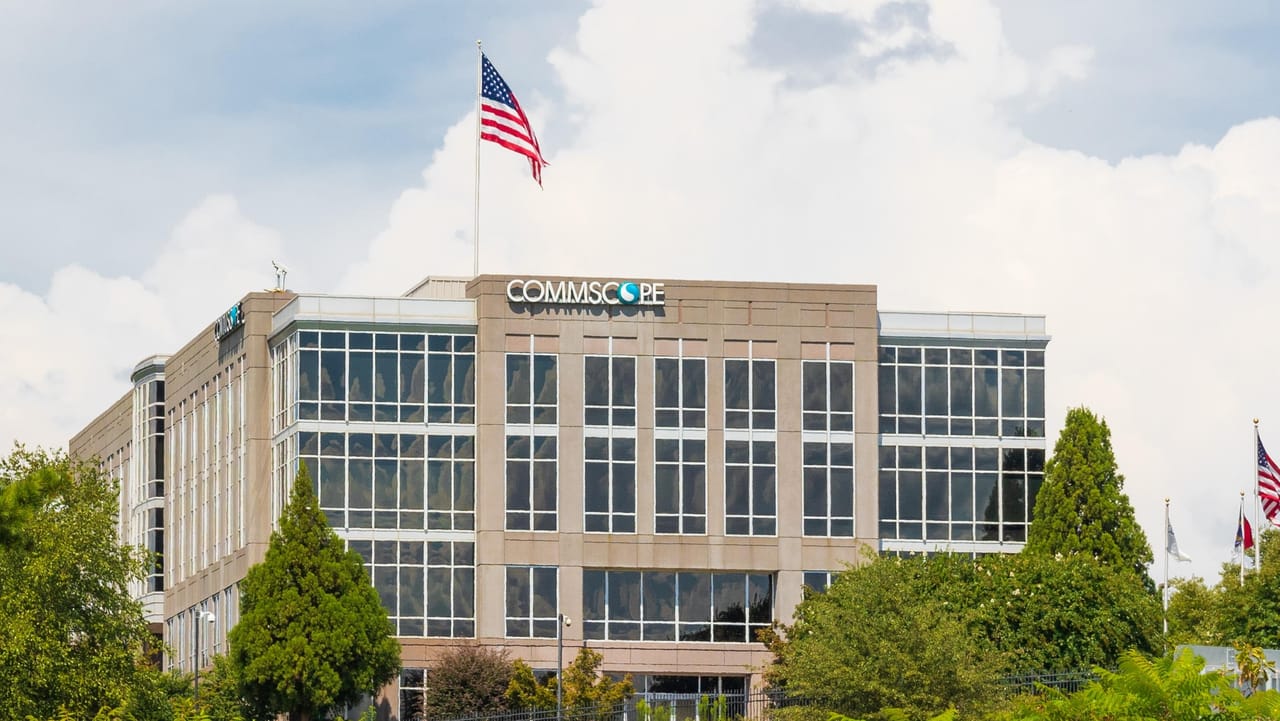
Speaking during Vistance’s quarterly earnings call covering its financial performance for the third quarter of 2026, Treadway reflected on the profound transformation the company has undergone. He pointed out that Vistance is now a significantly smaller, leaner, and far more focused enterprise than it was when he first stepped into the corner office six years ago. Furthermore, he emphasized that management has successfully fulfilled all the strategic commitments it previously made to the corporate board.
"I’m proud of what this team has accomplished and believe now is the right time to initiate this succession plan to identify a leader for this company’s next chapter," Treadway told investors and analysts on the call. "I’m going to remain in this role until February 1 and am committed to a smooth transition."
Memory Pricing, Cable Upgrade Timing Impacts Q3 Results
Treadway’s upcoming departure was announced concurrently with the release of Vistance’s financial results for the third quarter of 2026. The company’s latest quarterly performance faced headwinds from ongoing, continuous increases in memory component pricing, alongside recent, unexpected shifts in the timing of network upgrades by several major cable operators.
During the quarter, net sales at Aurora Networks dropped by 5% year-over-year to $338 million. This top-line decline was primarily driven by lower sales volumes of legacy products, which were only partially offset by rising demand for next-generation cable network amplifiers. Notably, the engineering teams at the company have developed an advanced Full Duplex (FDX) amplifier that is currently playing a critical, foundational role in Comcast’s extensive rollout of its next-generation DOCSIS 4.0 broadband network architecture.
Despite the strong long-term fundamentals for next-generation network equipment, Treadway noted that certain large operator customers are currently managing their internal inventory levels very carefully. As a result, these clients are adjusting the timing of their amplifier hardware orders as they continuously evaluate their deployment schedules and capital expenditure plans. In some instances, operators have pushed their deployment timelines further out, with certain projects now expected to land in 2027.
"I do believe the demand for network upgrades is real and it’s going to stay; it’s just pushed out," Treadway explained to listeners during the earnings discussion.

An examination of Vistance and Aurora Networks’ revenue streams reveals a high degree of customer concentration. The vast majority of sales are currently concentrated at Comcast, while there appears to have been a noticeable falloff in sales volume originating from Spectrum, the major cable provider operated by Charter Communications. This shift comes at a time when Charter has just officially wrapped up its major corporate merger with Cox Communications.
According to data disclosed in Vistance’s recent quarterly 10-Q filing with the Securities and Exchange Commission, net sales directed to Comcast accounted for an overwhelming 49% of the company’s total revenue through the first nine months of 2026. By comparison, net sales to Charter stood at 11% over the same timeframe. The concentration became even more pronounced in the third quarter of 2026, during which approximately 60% of Vistance’s total net sales were attributed directly to Comcast. Comcast stood as the sole customer accounting for 10% or more of the company’s net sales during the period, while Charter was scheduled to release its own third-quarter financial results later in the week.
Like many other hardware manufacturers and technology suppliers across the broader electronics ecosystem, Vistance is currently grappling with persistent upward pressure on memory component pricing. Addressing this operational challenge, Treadway stated that the company is actively collaborating closely with its semiconductor suppliers to improve component availability, while simultaneously working alongside its operator customers to successfully manage and mitigate rising costs.
Treadway indicated that he anticipates memory prices to continue increasing at a gradual pace over the course of the next several quarters. To put the scale of this exposure into perspective, he noted that Vistance purchases between 1.5 million and 2 million individual memory chips annually to support its diverse manufacturing operations.
Following the announcement of the executive succession plan, the quarterly financial metrics, and the ongoing supply chain and customer inventory headwinds, market reaction was swift. Vistance shares experienced a sharp decline in Thursday morning trading, falling 86 cents, or approximately 13.28%, to rest at $5.59 per share as Wall Street digested the news of the upcoming leadership transition and the near-term financial pressures facing the streamlined infrastructure vendor.