









The Magic: The Gathering Final Fantasy crossover set has arrived, serving as a sweeping love letter to one of the most enduring and influential franchises in the history of interactive entertainment. By weaving together characters, creatures, iconic locations, and pivotal narrative beats from across the series’ 16 mainline installments—alongside a vast array of spinoffs and sequels—Wizards of the Coast faced a monumental task: translating the complex, deeply emotional, and often sprawling RPG storytelling of Final Fantasy into the distinct mechanical language of Magic. The result is a collection that resonates with both long-time devotees of Eorzea, Gaia, and Spira, and dedicated Magic players looking for fresh, powerful mechanics.
From the inclusion of humorous nods like the "Suplex" card to the introduction of formidable powerhouses such as "Diamond Weapon," the set has quickly cemented itself as one of the most successful Universes Beyond releases to date. However, the true brilliance of this collaboration lies in how the designers distilled the essence of the source material into card form. Whether it is the sheer, overwhelming devastation of Bahamut’s Mega Flare, the clutch tactical utility of a Phoenix Down, or the grand, cinematic spectacle of summoning Primal Odin, the set succeeds because it understands what makes Final Fantasy special.
The following ten cards highlight the pinnacle of this design philosophy, showcasing how mechanical ingenuity and thematic flavor can converge to create a truly memorable Magic experience.

Sin, Spira’s Punishment
Sin serves as a quintessential Final Fantasy antagonist, representing not just a monster, but a crushing, generational weight of existential dread. Rather than relying on simple, brute-force statistics, the card design for "Sin, Spira’s Punishment" perfectly mirrors this narrative burden. When Sin enters the battlefield or attacks, it exiles a random permanent card from the player’s graveyard. If that card is a permanent, it creates a tapped token copy; if it is a land, the process repeats.
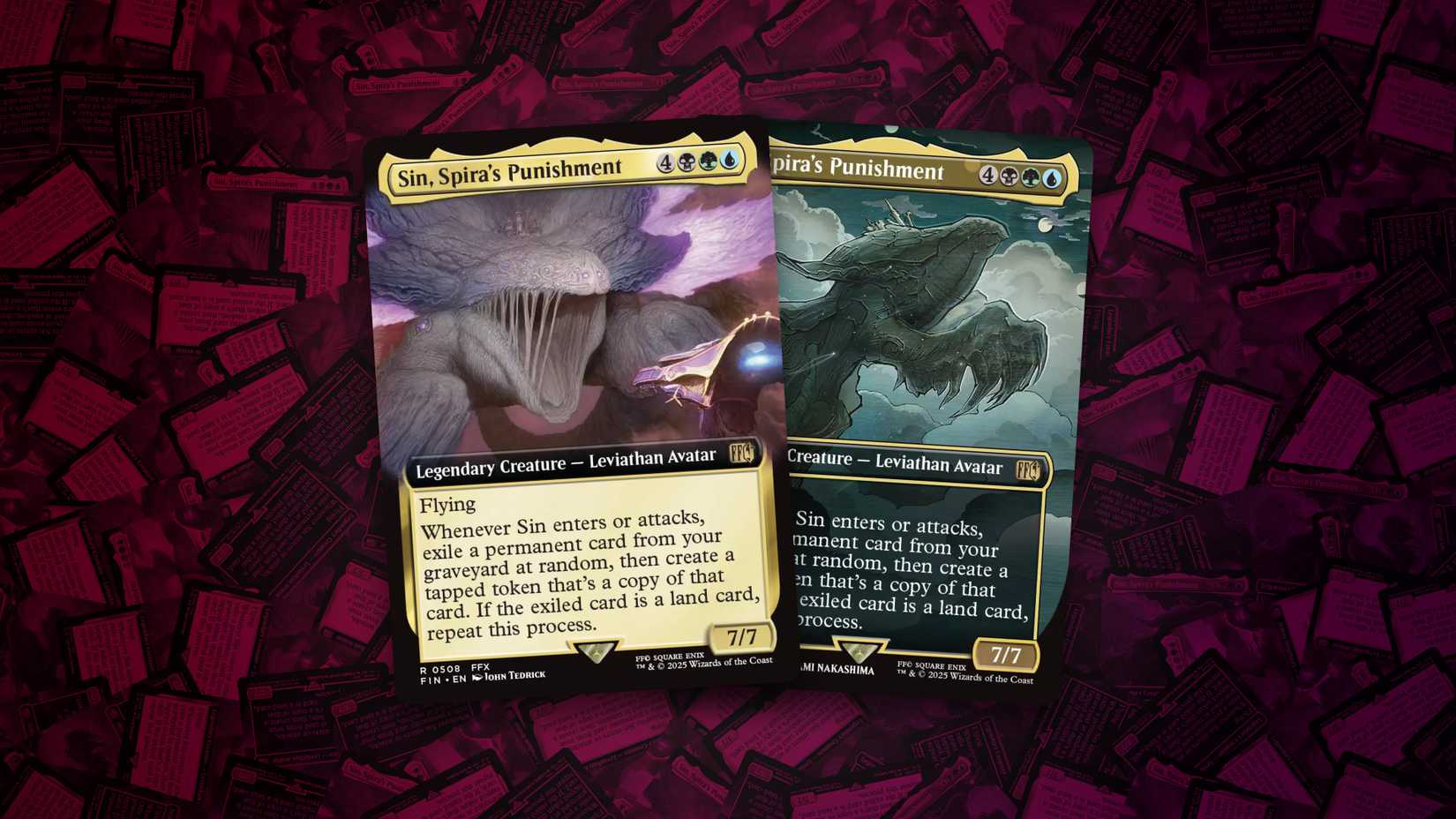
This design is particularly potent in Commander formats centered on graveyard recursion and land synergies. When paired with cards like "Adrix and Nev, Twincasters," which double the created tokens, or "Hedron Crab," which facilitates the rapid filling of the graveyard, Sin becomes an unpredictable and compounding engine of destruction. The mechanic effectively evokes the cyclical nature of Final Fantasy X, where the people of Spira are trapped in a recurring loop of devastation and temporary rebirth. The seven-mana cost is a balanced reflection of the creature’s magnitude, acting as a centerpiece that demands attention from the entire table.
Buster Sword
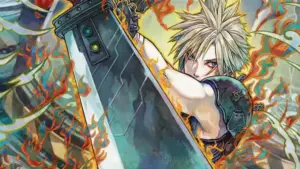
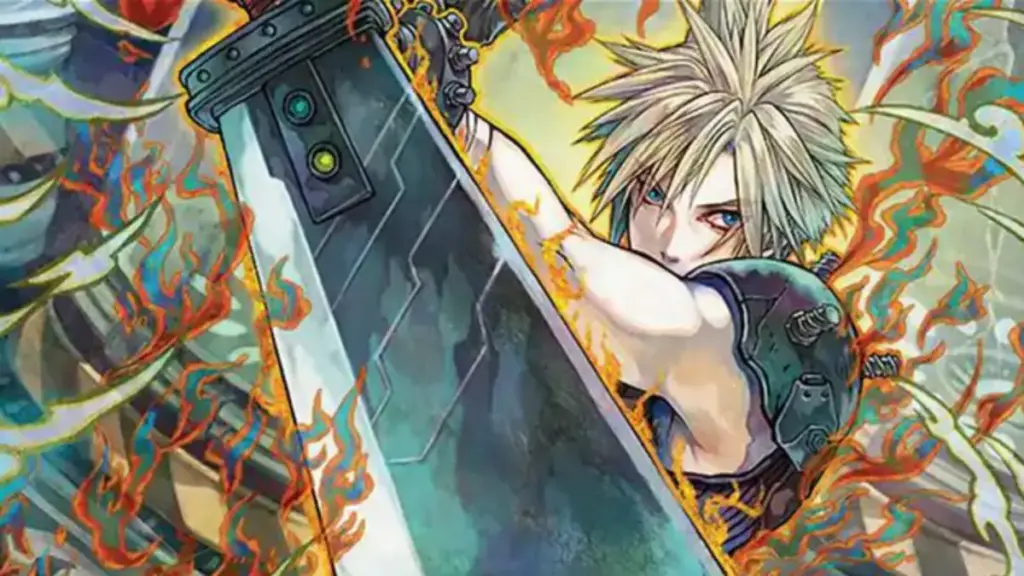
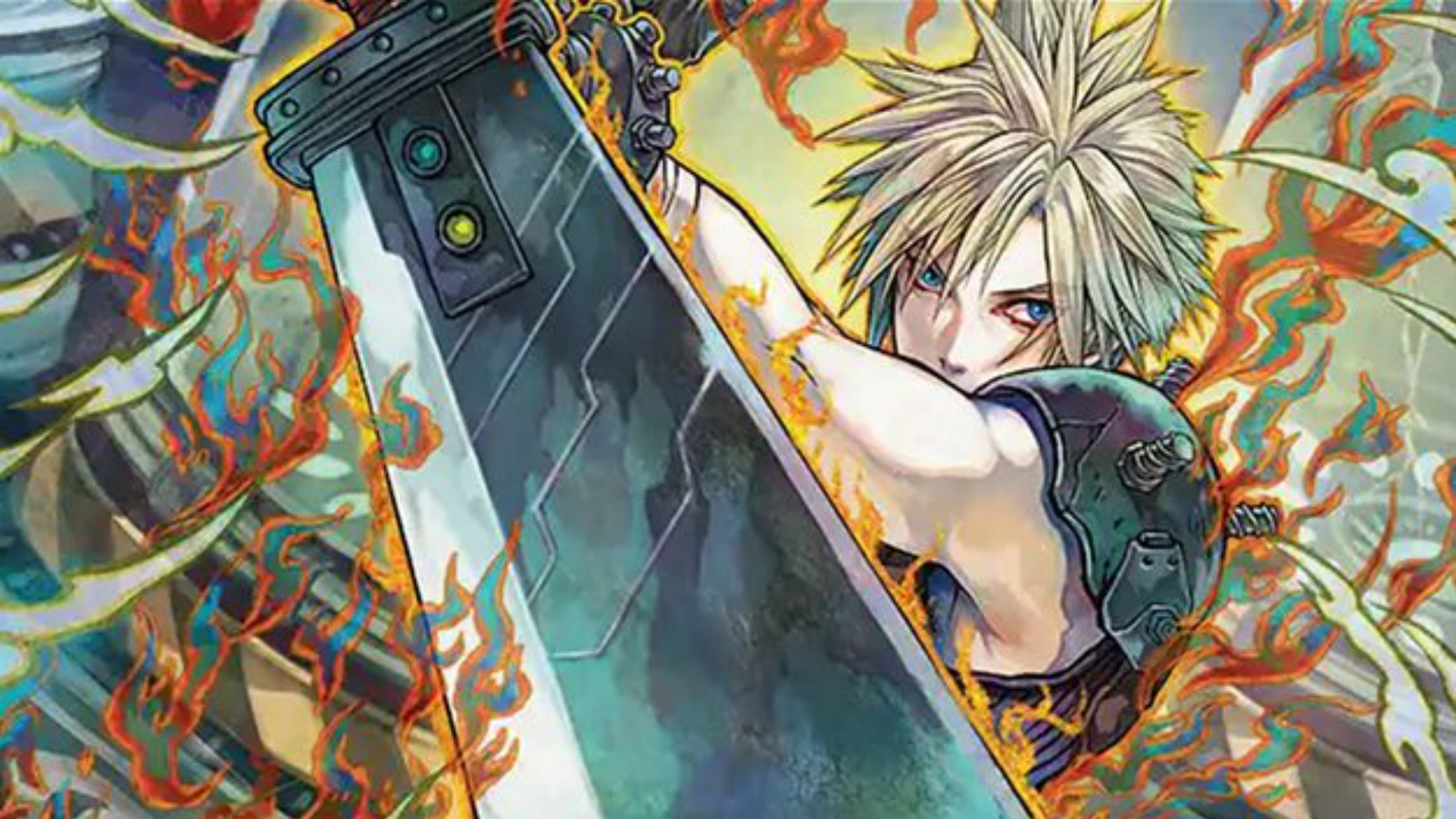
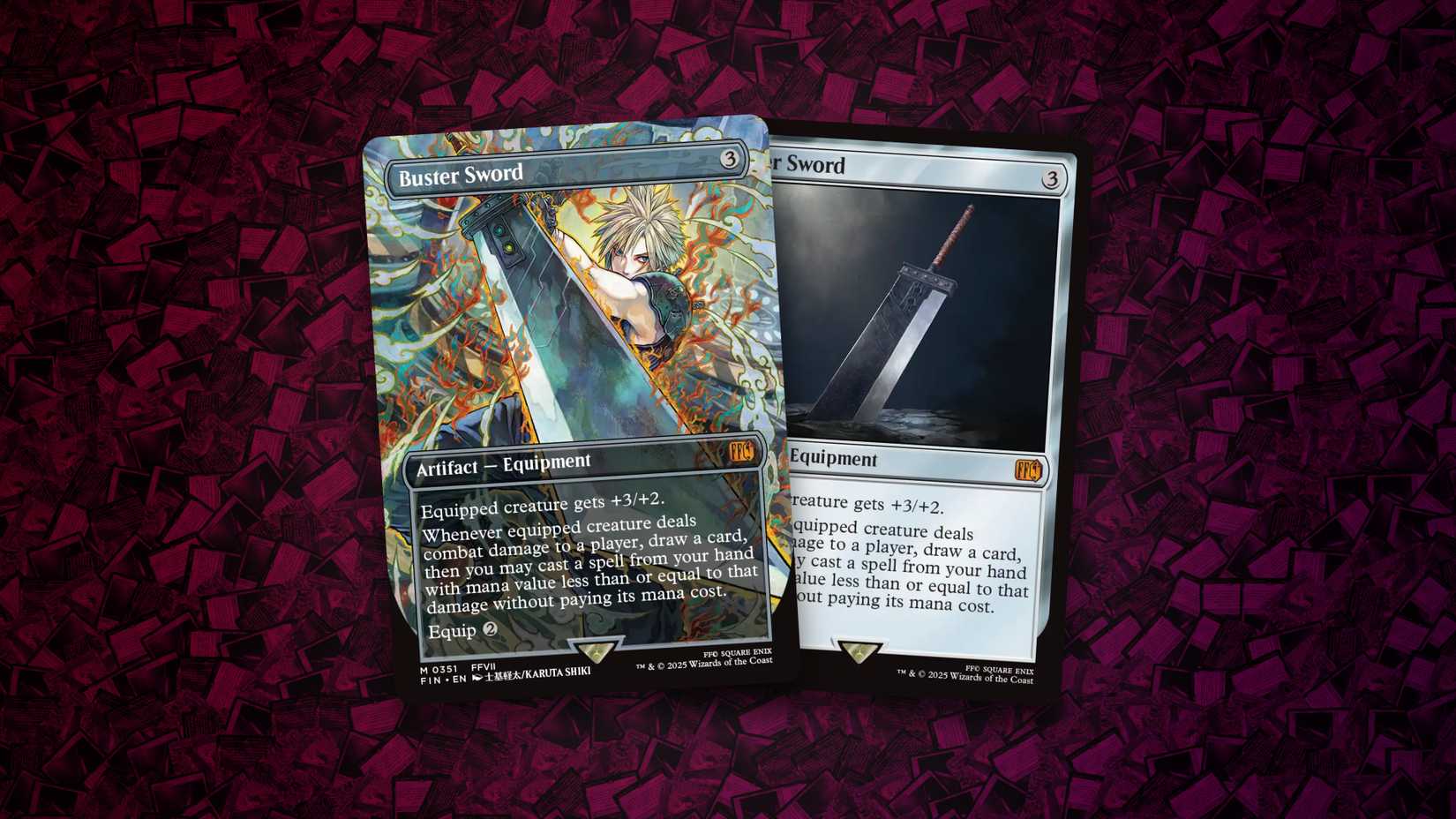
Few weapons in gaming carry the instant, iconic recognition of Cloud Strife’s "Buster Sword." Whether visualized as a crude tool strapped to his back in the grim, industrial corridors of early Final Fantasy VII or rendered with modern fidelity in the Remake series, the blade is a symbol of legacy and the heavy burden passed between generations. In Magic, the card grants its wielder a significant +3/+2 power boost. More importantly, when the equipped creature strikes an opponent directly, the player draws a card and gains the opportunity to cast a spell from their hand for free, provided its mana value is equal to or less than the damage dealt. This mechanical reward for direct combat encapsulates the high-stakes, action-oriented nature of Cloud’s journey, honoring the weight of the weapon in every sense.
Jumbo Cactuar
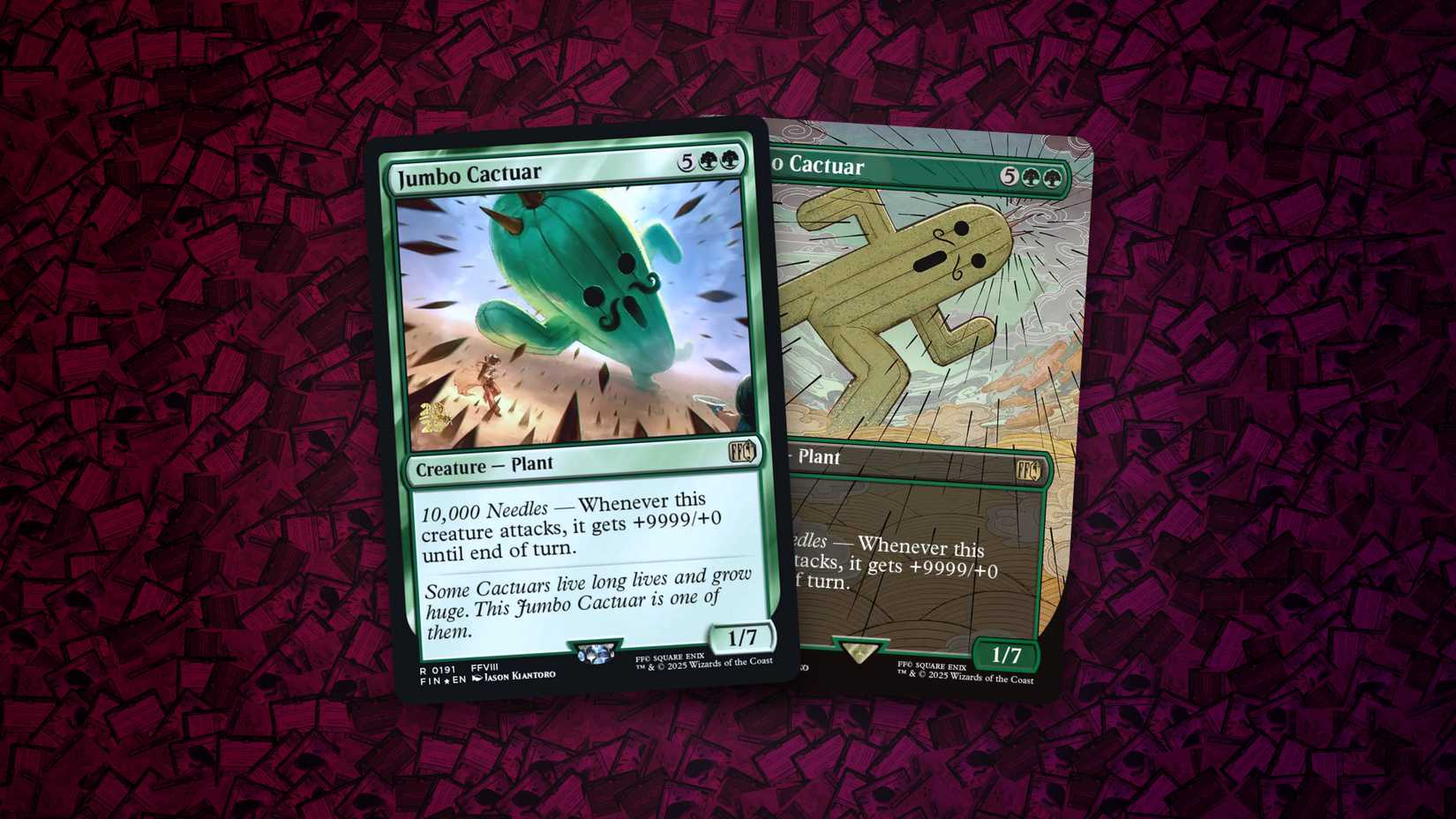
While Cactuars are often viewed as whimsical, walking houseplants, they are notorious in the Final Fantasy series for delivering sudden, devastating flurries of needles when provoked. Following in the footsteps of other recurring threats like the Tonberry, the "Jumbo Cactuar" card is a masterclass in literal translation. As a seven-mana creature with an unassuming 1/7 stat line, it appears harmless on the surface. However, its "10,000 Needles" ability grants it +9,999/+0 whenever it attacks. This turns an seemingly innocent creature into a 10,000-power force capable of flattening any board state. It is a brilliant, humorous, and effective adaptation that turns a signature monster ability into a high-impact combat trick.
Lightning, Army of One
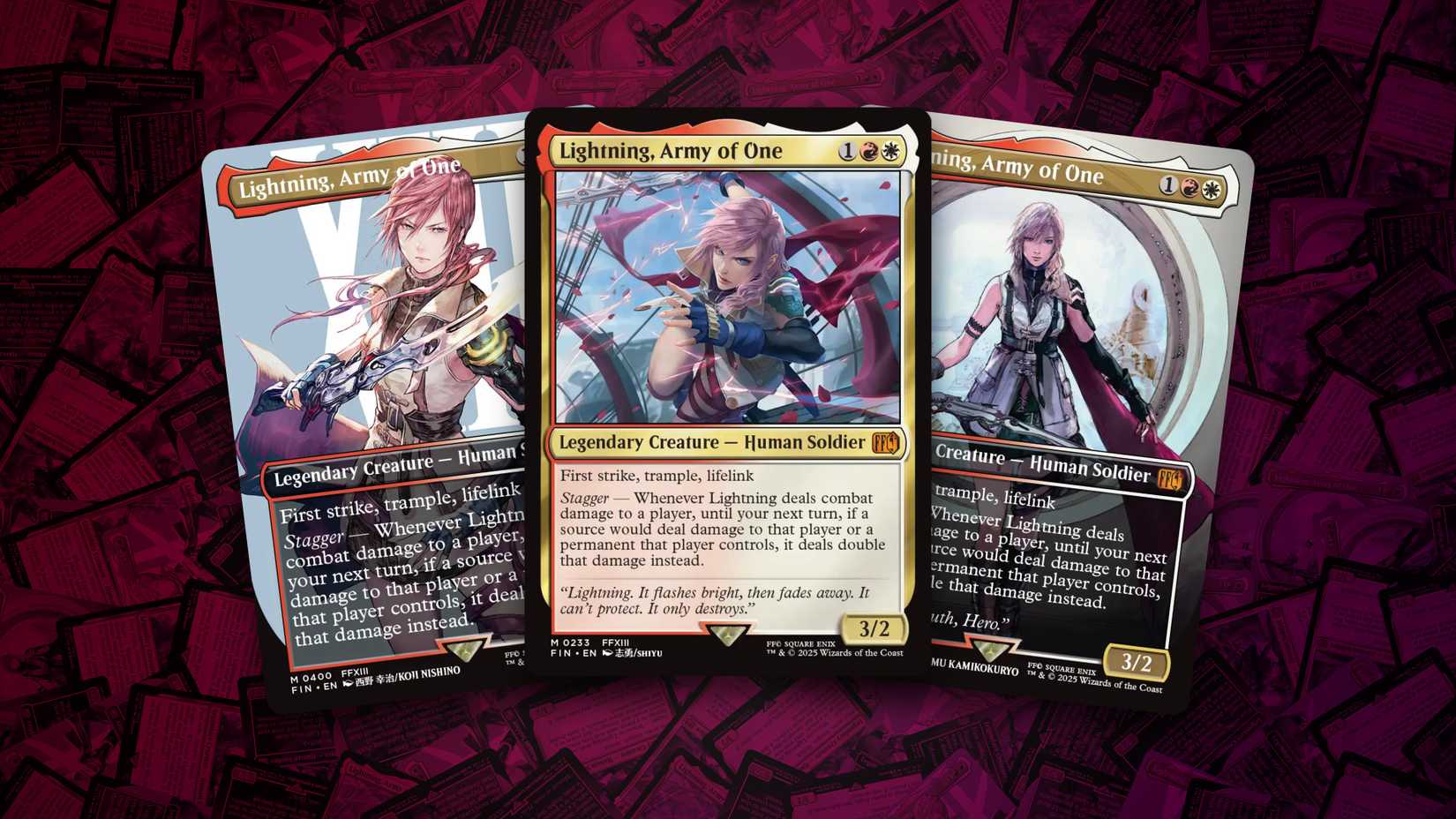
Final Fantasy XIII may remain a divisive entry in the franchise, but its protagonist, Lightning, is widely regarded as one of the series’ most determined and compelling leads. As a former Guardian Corps sergeant who abandons her duty to save her sister, her character is defined by a relentless, kinetic resolve. Her Magic card is a three-mana creature featuring first strike, trample, and lifelink, making her a formidable presence from the earliest stages of a game. Her "Stagger" ability, which doubles all damage dealt to an opponent and their permanents after she lands a hit, perfectly replicates the rhythm of Final Fantasy XIII’s combat, where staggering an enemy leaves them vulnerable to an all-out assault.
Zack Fair
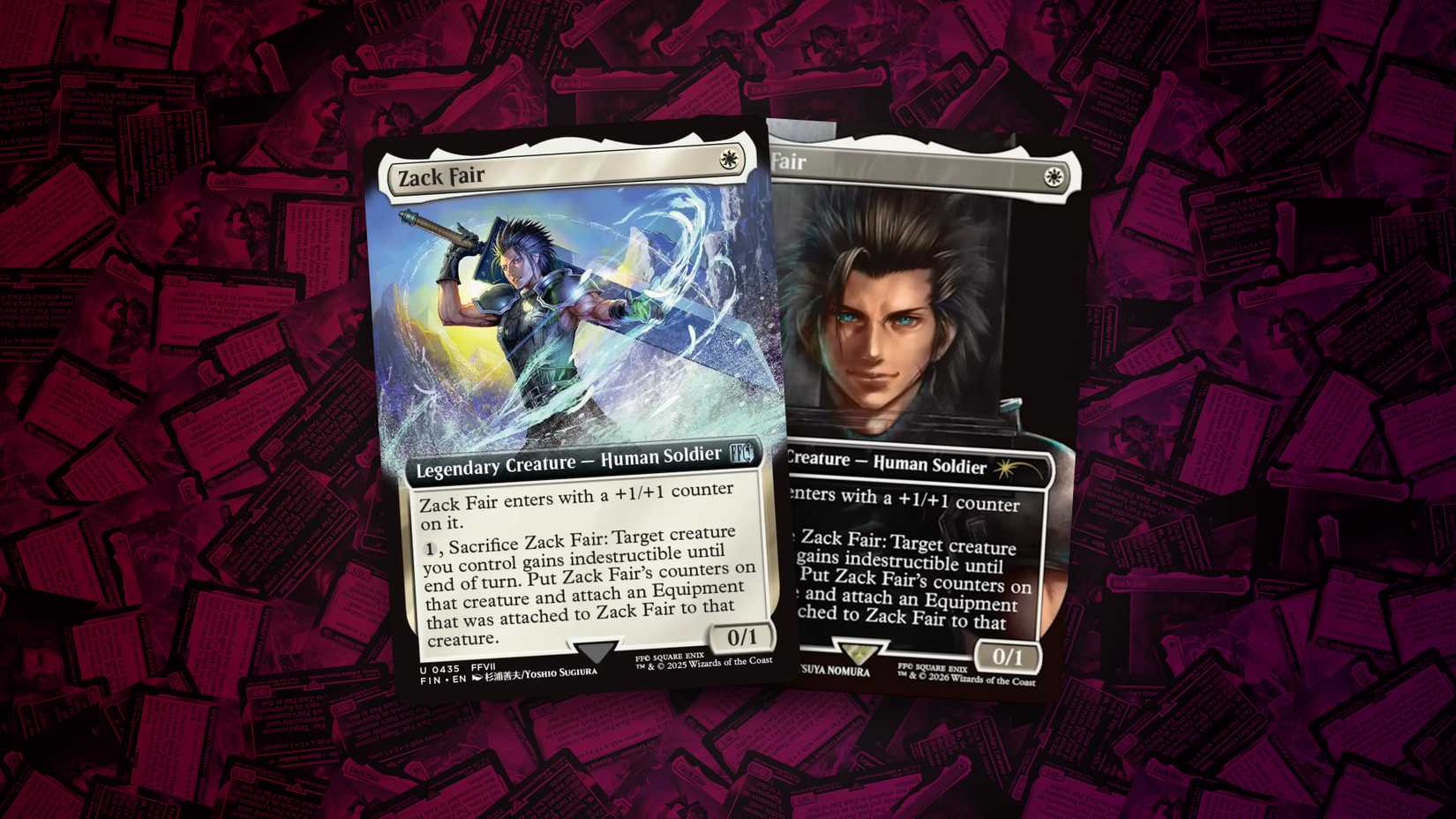
Zack Fair’s narrative arc in Final Fantasy VII remains one of the most heart-wrenching stories in the franchise, specifically because his final sacrifice defines the trajectory of Cloud’s own journey. The Magic card honors this through a 0/1 legendary creature that enters with a +1/+1 counter. At the cost of one mana, the player can sacrifice Zack to grant another creature indestructible, alongside his existing counters and equipment. This mechanic turns his death into an act of enduring legacy, allowing his strength to be passed to another hero. Players have already found ways to utilize this through graveyard recursion, creating a loop where Zack serves as a constant, protective force for the board.
Aerith Gainsborough
Aerith represents the archetype of gentle resilience. As the last surviving Cetra, she spends her life in the slums of Sector 5, balancing her humble existence as a flower seller with the heavy burden of being the planet’s sole protector. Her card is a 2/2 legendary creature with lifelink that accumulates +1/+1 counters whenever the player gains life. The true mechanical genius, however, appears upon her death: every legendary creature the player controls receives +1/+1 counters equal to those Aerith had accumulated. This serves as a poignant, mechanical tribute to her role in the story, ensuring that her influence persists long after she has left the board.
Yuna, Hope of Spira
As a summoner, Yuna is the ideal candidate for a Magic card design revolving around enchantments and their associated creatures. "Yuna, Hope of Spira" encourages the assembly of "Saga" creatures—a specific type of enchantment introduced in this set to represent the iconic summons of the franchise. Yuna grants herself and other enchantment creatures trample, lifelink, and ward 2, while also allowing the player to return an enchantment from the graveyard to the battlefield each turn with a finality counter. This makes her the perfect centerpiece for a strategy focused on summoning legendary Aeons like Bahamut or Yojimbo to the battlefield.
Summon: Knights of Round
The "Knights of Round" Materia was the ultimate endgame secret in Final Fantasy VII, requiring a complex quest to obtain and rewarding the player with an unskippable, apocalyptic cinematic sequence. Magic captures this theatricality by designing it as an eight-mana Saga creature. Over four chapters, the card creates three 2/2 Knight tokens, eventually culminating in a fifth chapter that grants the entire board +2/+2 and indestructible counters. This is a brilliant, patient design that turns a notoriously long, cinematic summon into a looming, game-ending countdown that forces opponents to scramble for a response.
Sephiroth, Fabled SOLDIER
Sephiroth’s descent from a celebrated hero to the "One-Winged Angel" is a cornerstone of modern gaming tragedy. The Magic card utilizes a double-faced design to represent this evolution. On his front side, he allows players to sacrifice creatures to draw cards and drain opponent life. Once that second ability has resolved four times in a single turn, he transforms into the "One-Winged Angel," creating an emblem that sustains the life-drain engine permanently. This progression mimics his growing power and the encroaching horror of his presence, effectively turning the battlefield into a ticking clock for his opponents.
Absolute Virtue
Finally, the set includes "Absolute Virtue," a nod to the legendary and infamous superboss from Final Fantasy XI. Renowned for its extreme durability and a complex, often frustrating array of defensive abilities—including the ability to heal massive amounts of health—the boss once turned simple encounters into 18-hour wars of attrition. The Magic card distills this into an eight-mana 8/8 that cannot be countered and grants the controller protection from all opponents. This makes the player effectively untouchable while the creature remains on the battlefield, a fitting mechanical homage to a boss that once seemed entirely impossible to defeat.