






The landscape of wearable technology is bracing for a significant shift as Gentle Monster has officially confirmed the impending arrival of its "Intelligent Eyewear." The fashion-forward eyewear brand announced that pre-orders for its highly anticipated smart glasses will commence on November 12, with a full commercial launch scheduled for December. This announcement aligns with leaked information that surfaced earlier this week, suggesting that Google’s strategic partners are moving in lockstep to introduce the next generation of Android-powered wearable devices.
The move by Gentle Monster, which follows a similar accidental disclosure by fellow eyewear giant Warby Parker, underscores Google’s aggressive push to reclaim its foothold in the smart glasses market. By leveraging established, design-centric retail partners alongside hardware titan Samsung, Google is attempting to pivot away from the utilitarian aesthetic that defined the original Google Glass a decade ago. Instead, the company is prioritizing fashion, comfort, and seamless integration with its Gemini artificial intelligence platform to capture a demographic that has historically been wary of "tech-heavy" face-worn devices.
A Cinematic Teaser for a New Era of Wearables
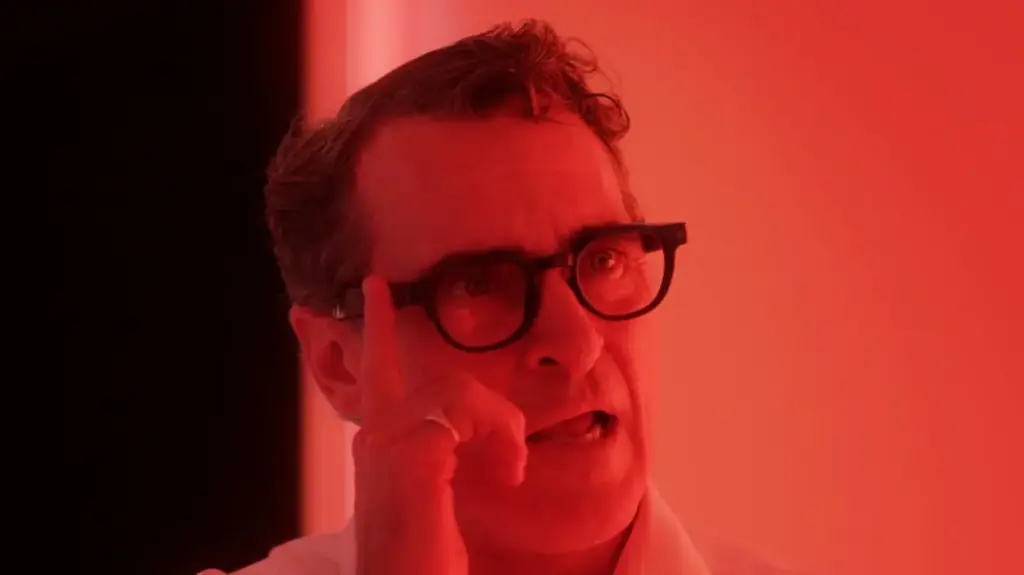
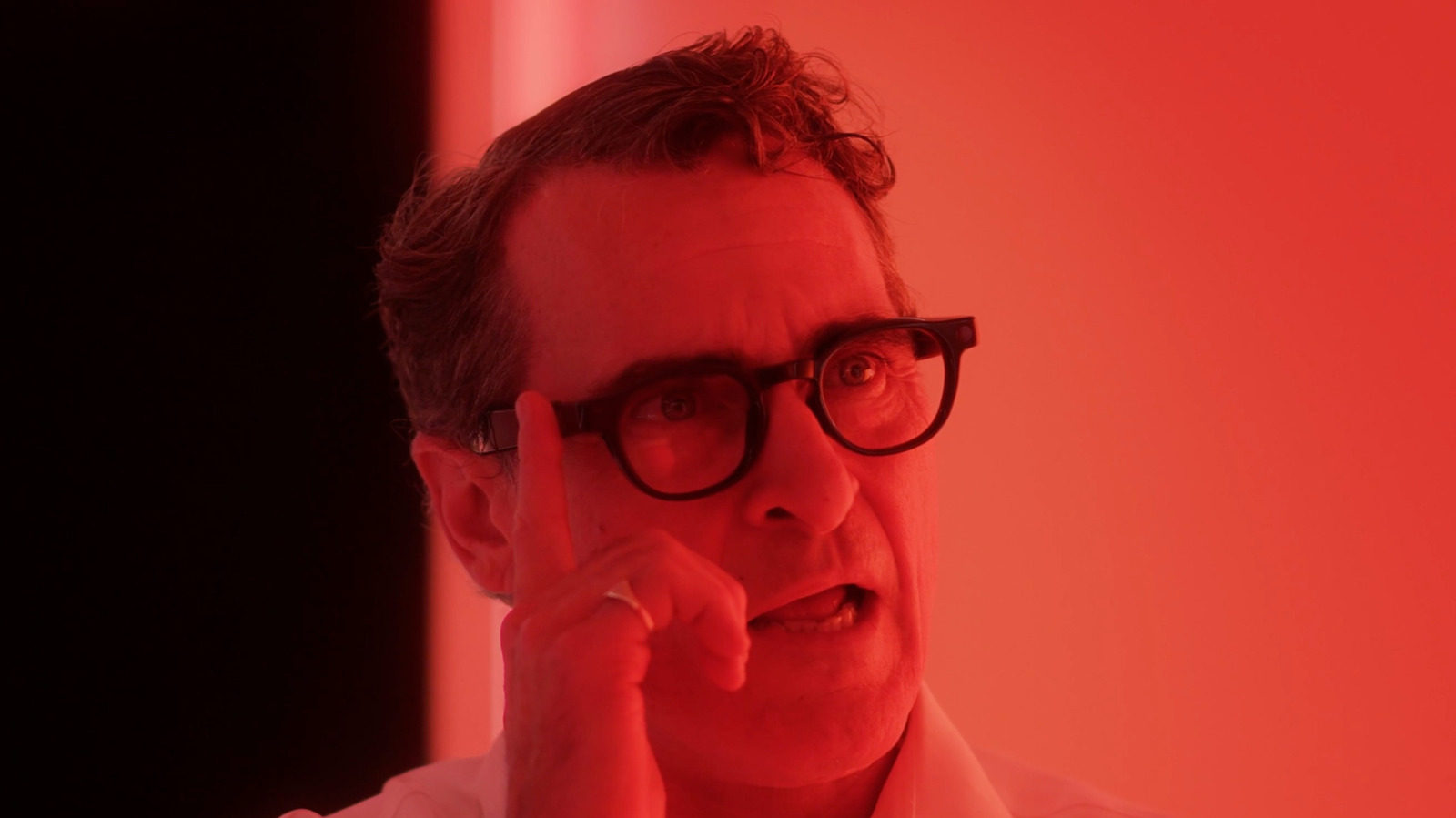
To build anticipation for the launch, Gentle Monster has unveiled a cryptic and atmospheric teaser featuring Academy Award-nominated actor Joaquin Phoenix. The short film, directed by the acclaimed Jonathan Glazer—known for his masterful work on Under the Skin and The Zone of Interest—positions the glasses not as a mere gadget, but as an extension of the human experience. Phoenix, whose filmography famously includes the AI-centric romance Her, brings a layer of gravitas to the project that suggests a focus on the intersection of humanity and digital intelligence.
According to Gentle Monster, a full version of this short film is expected to drop in mid-November. The teaser footage suggests an approach that favors experimental, high-art filmmaking over the standard, fast-paced product advertisements typically associated with consumer electronics. By partnering with a director of Glazer’s caliber and a star of Phoenix’s stature, Gentle Monster is signaling that its "Intelligent Eyewear" is intended to be a lifestyle accessory first and a piece of advanced hardware second. This strategy is likely aimed at avoiding the social stigma that plagued early iterations of smart eyewear, where the presence of cameras and invasive displays often made the devices feel alienating to onlookers.
Google’s Android XR and the Competition
At the core of these new devices is Google’s Android XR platform. This ecosystem is designed to be the foundational software layer for a diverse range of hardware, spanning from fully featured mixed-reality headsets—such as the upcoming Samsung Galaxy XR—to more discreet, display-free smart glasses like those being developed by Gentle Monster and Warby Parker.
The strategy represents a departure from the "one-size-fits-all" hardware approach. Instead, Google is providing the software "brains" while allowing partners to determine the form factor that best suits their brand identity. For Gentle Monster and Warby Parker, this means focusing on audio-first experiences and lightweight, stylish frames that function as everyday accessories. While these glasses will lack the visual overlays found in more robust mixed-reality headsets, they will offer users deep, conversational access to Gemini. This allows the user to interact with Google’s AI to ask questions, receive real-time information, and manage tasks, all through voice commands and integrated audio systems that keep the user connected to the world around them rather than locked behind a digital screen.
This shift toward audio-first, display-free computing is a direct response to the success of competitors like Meta, which has seen significant market traction by integrating smart features into traditional Ray-Ban frames. By packaging high-end technology within a product that people already want to wear for aesthetic reasons, Meta proved that the "smart" element does not need to dominate the user experience. Google is clearly hoping that its partnership with luxury and retail-focused brands will yield similar, if not better, results.
The Legacy of Google Glass and the Road Ahead
The industry is watching these developments with interest, particularly given the historical context of Google’s previous forays into the space. The original Google Glass, while technologically visionary, became a symbol of early-adopter hubris and privacy concerns. Google co-founder Sergey Brin has publicly acknowledged the mistakes made during that era, noting that the company underestimated the cultural friction associated with wearing cameras and displays on the face.
The current Android XR initiative appears to be a calculated effort to apply those lessons. By focusing on "Intelligent Eyewear" that is essentially invisible in its function—eschewing heads-up displays for sophisticated audio processing and AI integration—Google is attempting to normalize the concept of smart wearables. Whether this strategy will succeed remains to be seen. The market for smart glasses is becoming increasingly crowded, and while the pedigree of partners like Gentle Monster and Warby Parker provides a strong start, the ultimate test will be how consumers integrate these devices into their daily routines.
For now, the focus remains on the upcoming pre-order period. With both Warby Parker and Gentle Monster signaling mid-November as the critical window for consumer interest, the tech world is awaiting official confirmation from Google regarding the rollout. Despite the leaks and the social media activity from partners, Google has remained relatively quiet, likely preferring to let its brand partners take the lead in building the narrative.
As November 12 approaches, the excitement surrounding these launches is palpable. For Gentle Monster, this represents a major step into the integration of fashion and technology. For Google, it is a high-stakes effort to define the future of wearable AI. If the upcoming cinematic collaboration with Joaquin Phoenix and Jonathan Glazer is any indication, the company is aiming for a launch that is as much about cultural impact as it is about technical capability. The wait for the full reveal, and the subsequent December launch, will soon answer whether this new wave of Android-powered glasses can finally fulfill the promise of wearable technology that has been building for over a decade.