








In early 2006, J.J. Abrams found himself in the midst of a career-defining hot streak. His spy-thriller series Alias was nearing its conclusion, his hit show Lost had firmly cemented itself as a worldwide cultural phenomenon, and he was traversing the globe to promote his directorial debut, Mission: Impossible 3. To the outside observer, it appeared that Abrams was reaching the zenith of his influence. In reality, however, the filmmaker was only just beginning to scratch the surface of his potential for cinematic disruption.
The spark for his next major project, Cloverfield, came from an unlikely source: a trip to a Japanese toy store with his son. While browsing the aisles, Abrams found himself reflecting on the legacy of monster movies. He realized that while the world had iconic titans like King Kong—a figure he famously dismissed as "adorable"—it lacked a modern, visceral interpretation of the genre. Abrams wanted to create something that felt raw, frantic, and terrifyingly grounded. He wanted "our own monster," something that possessed a sense of "insane and intense" reality that traditional big-budget spectacles often lacked.
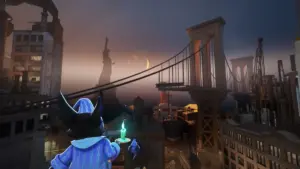
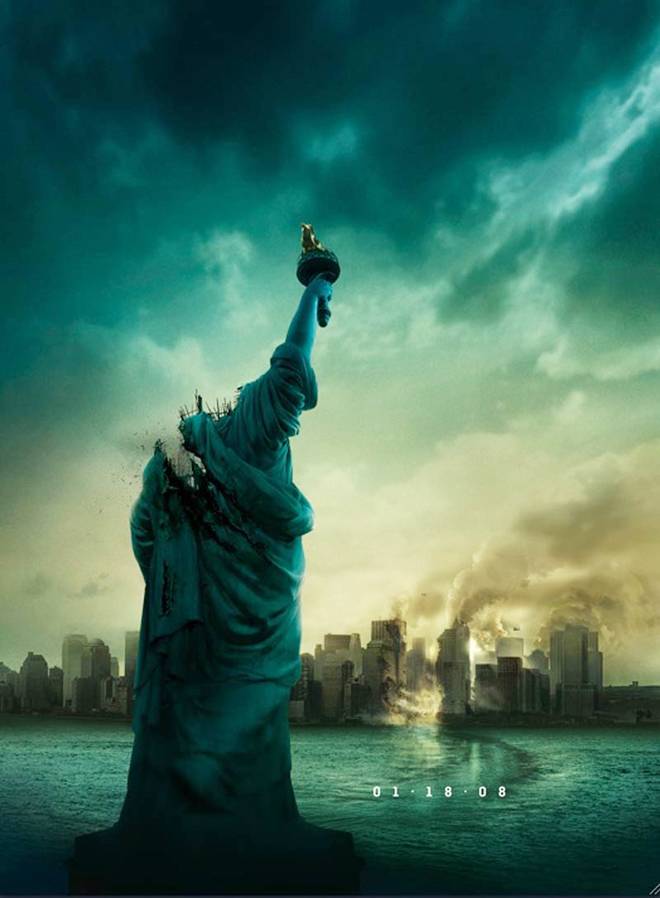
This singular creative ambition eventually led to the development of Cloverfield. To bring this vision to life, Abrams tapped Lost writer Drew Goddard to craft a screenplay that would break from the conventions of the genre, while entrusting the director’s chair to his longtime collaborator, Matt Reeves. The marketing campaign that followed was a masterclass in mystery. When the first teaser trailer premiered before Transformers in July 2007, it lacked a title, a list of actors, or any clear explanation of the plot. It merely presented a haunting image: a beheaded Statue of Liberty looming over a smoky, chaotic New York City. The only information provided to the public was a release date: January 18, 2008.

At the time, this approach was revolutionary. That same 2007 San Diego Comic-Con panel featured early, high-profile looks at Iron Man, Indiana Jones and the Kingdom of the Crystal Skull, and Abrams’ own live-action Star Trek reboot. Yet, Cloverfield managed to capture the collective imagination of the industry through pure ambiguity. Regardless of one’s personal feelings toward the director’s broader body of work, it is impossible to deny that Abrams understands how to generate genuine hype. Now, as the film returns to prominence through streaming services like Peacock, Paramount Plus, and Pluto TV, it is worth revisiting why this experiment in found-footage horror remains such a singular achievement.
What is Cloverfield about?
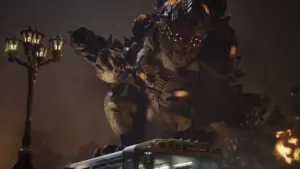
To describe Cloverfield simply, it is a perfect, violent marriage between the found-footage horror sensibilities of The Blair Witch Project and the high-stakes destruction of a classic kaiju creature feature. The film posits a premise that is both simple and devastating: a colossal, unidentified monster attacks New York City, and the entire narrative is delivered through the lens of a personal camcorder.
The structure of the film is clever, utilizing the framing device of "recovered evidence." The opening moments present us with cryptic footage designated as evidence by the U.S. Department of Defense, noting "multiple sightings" of a case labeled "Cloverfield." The footage, we are told, was retrieved from the "incident site," formerly known as Central Park. This immediately establishes a tone of dread, but the film quickly pivots to a more mundane, intimate reality.
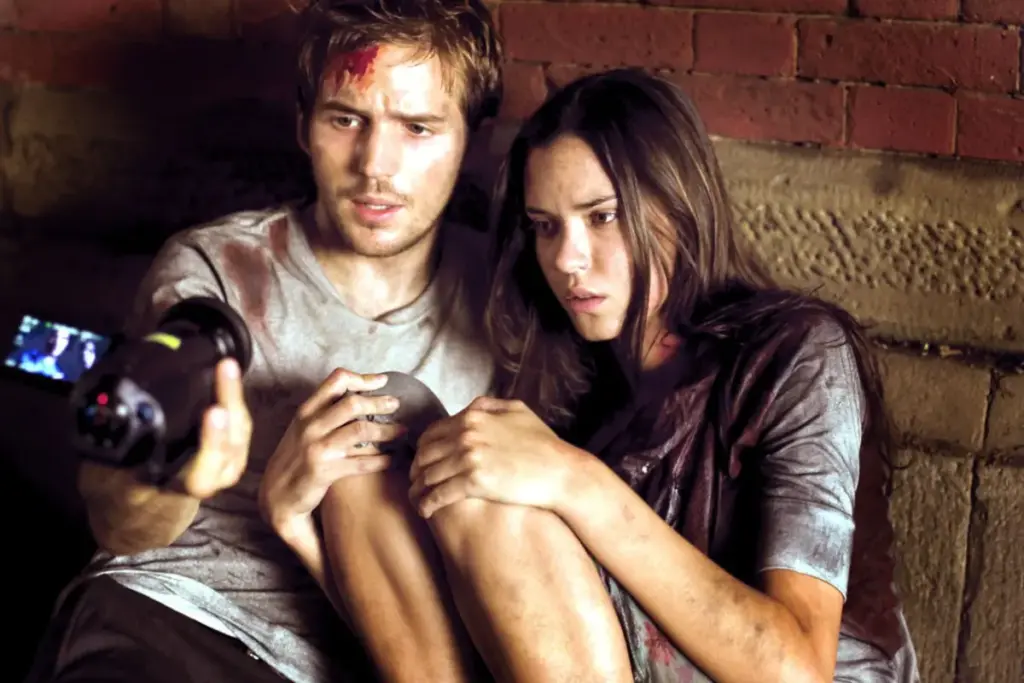
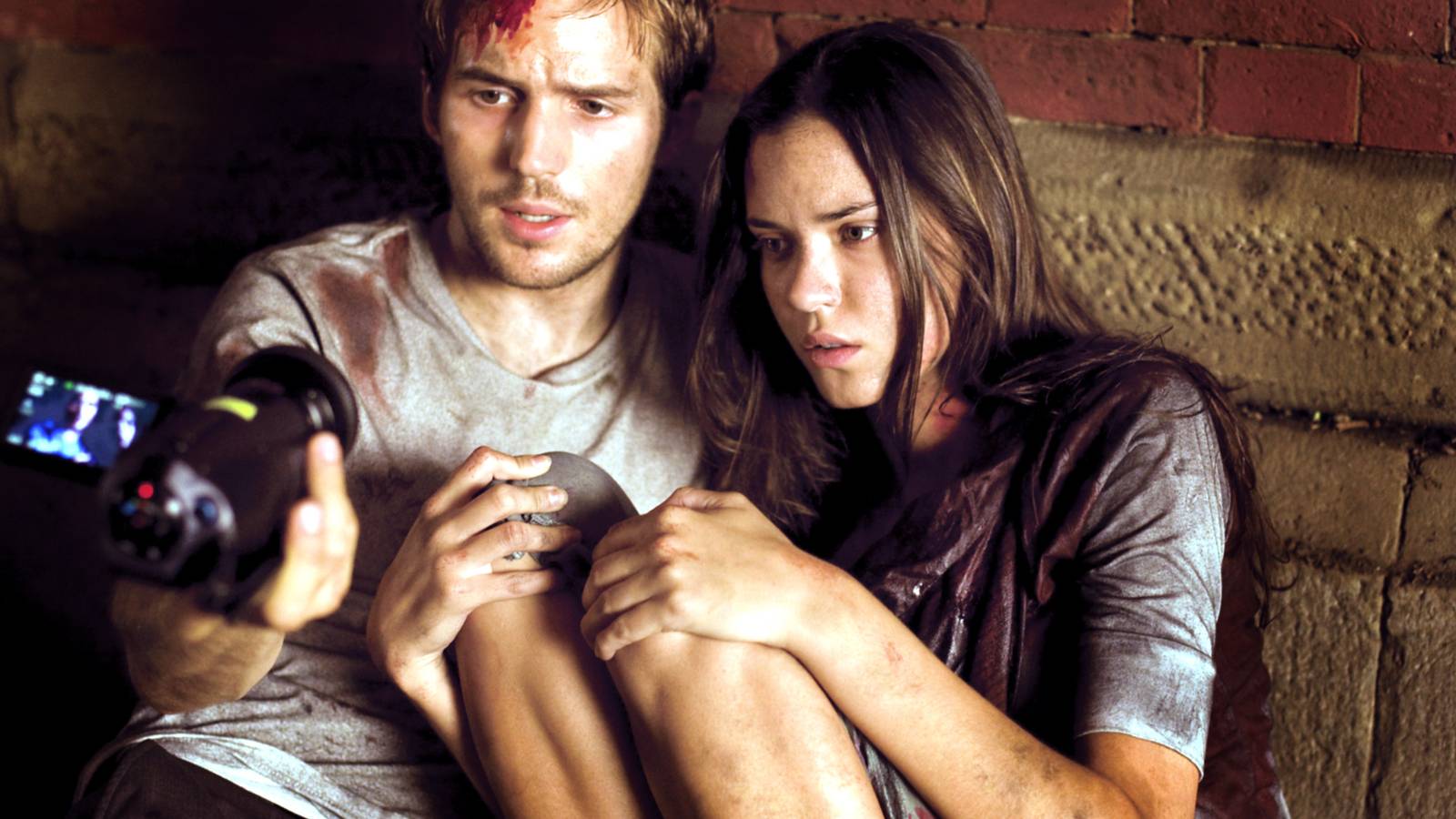
We are introduced to Rob, played by Michael Stahl-David, and Beth, played by Odette Annable. The audience sees a charming, relatable date between the two in New York City, followed by scenes of their lives as they travel to Coney Island. The main narrative jump-starts roughly a month later, as Rob prepares to leave the city for a new career opportunity in Japan. A going-away party serves as the backdrop for the initial scenes, where friends capture heartfelt, sometimes awkward video messages for him. Throughout these scenes, the tension regarding Rob’s strained relationship with Beth is palpable. She leaves the party early, frustrated by the dynamics of the evening, unaware that their personal drama is about to be dwarfed by an existential catastrophe.
When an explosion lights up the Manhattan skyline, the partygoers’ confusion quickly turns to sheer terror. The city begins to unravel, and in the ensuing panic, the group decides to embark on a desperate quest to rescue Beth. This setup is the secret weapon of the film; it provides Cloverfield with a grounded, human scale. It is not a story about the military or the government trying to save the world; it is a story about a handful of young adults trying to navigate a city they know, documented by a camera that was already in their hands.

The impact of the disaster is heightened by the film’s pacing. When Rob and his friends first witness the explosion from a rooftop, the sense of dread is immediate. Anyone who has lived in New York will recognize the specific "vibe" of a night spent on a rooftop, watching the city sprawl below. When that normalcy is shattered by flaming debris falling from the sky, the shock is visceral. The movie succeeds because it lets the audience inhabit that ordinary moment before it is irrevocably destroyed.
A shaky camera with a clear view of the story
The visual language of Cloverfield is inherently shaky, a stylistic choice that was divisive even at the time of its 2008 release. Yet, looking back, this aesthetic is precisely what gives the film its sense of urgency. Despite the kinetic nature of the camera work, the movie remains coherent enough to maintain a clear sense of geography and escalating stakes. At a brisk 85 minutes, the film does not waste time getting bogged down in lore or unnecessary exposition. We never receive a clear, lingering look at the monster itself. Instead, the focus remains entirely on the characters’ struggle to survive as their surroundings collapse.
One of the most interesting aspects of the film is how it reflects the changing nature of human behavior in the face of crisis. Early in the film, when the severed head of the Statue of Liberty lands in a city street, the onlookers—rather than running for their lives—immediately pull out their phones to record the carnage. In 2008, this felt like a slightly comical, perhaps cynical observation of modern society. In 2026, it feels disturbingly prescient. The impulse to document the impossible, even at the cost of one’s own safety, has become a core element of the modern experience.
This theme is embodied by Hud, the party’s designated cameraman, whose insistence on filming throughout the chaos is a constant point of tension. While his motivations may seem like a narrative convenience at times, the film effectively portrays the desire to document the unthinkable as a psychological response to trauma. As the crisis deepens, the act of filming becomes the only way the characters can attempt to process the horror unfolding before them.
Beyond the spectacle, it is the emotional core of the film—the relationship between Rob and Beth—that lingers long after the credits roll. Their story is not a distraction from the disaster; it is the reason the audience cares about the outcome. The conflict of their failed relationship adds a layer of longing to the chaotic, adrenaline-fueled survival mission. As they face what appears to be the end of the world together, their connection provides an ache that grounds the film’s larger, more fantastical elements.
In the years since its release, the Cloverfield brand has expanded, though the subsequent entries rarely feel connected to the original in a traditional narrative sense. Yet, the original film remains a high-water mark for the genre. Its greatest trick is that it never attempts to give the audience the "whole picture." It refuses to explain the monster or provide a clean resolution. It only gives us enough to experience what it might feel like to be on the ground when the world ends, making the terror feel immediate, personal, and profoundly haunting.