









Meta is aggressively expanding the footprint of its flagship artificial intelligence agent, Muse, taking the platform from mobile screens and tablets directly to the wrist. In an announcement made on Monday, the company confirmed that Muse is now available for both the Apple Watch and Android’s Wear OS, marking a significant step in Meta’s broader strategy to integrate its AI technology into the daily routines of its users. With this latest rollout, smartwatch owners can now engage with the AI assistant through a variety of input methods, including voice calls, text messaging, and dictation, effectively tethering the assistant to the user’s primary wearable devices.
This development follows a period of rapid product iteration for Meta. The smartwatch integration arrives just one month after the company introduced a dedicated iPad application for Muse, a move that highlighted Meta’s commitment to providing a seamless, cross-device AI experience. Since its initial debut on the App Store in September, Muse has rapidly evolved from a mobile-first experiment into a central pillar of Meta’s consumer technology ecosystem. By making the assistant available on devices that users wear throughout the day, Meta is positioning Muse as an omnipresent utility rather than a static application that requires a user to sit down and open a smartphone.
The landscape for consumer-facing AI agents is becoming increasingly crowded, with dozens of tech giants and startups vying for the attention and screen time of global users. Muse is currently operating in this competitive fray, offering a suite of productivity and personal management tools that mirror the capabilities of its rivals. Like many contemporary AI agents, Muse is designed to serve as a digital concierge. Users can connect their personal accounts to the platform, enabling the AI to assist with the management of email threads, the coordination of calendar meetings, and the tracking of bills. Beyond administrative tasks, Muse is built to handle actionable requests such as booking dinner reservations, managing grocery orders, setting personal development goals, and facilitating direct purchases.

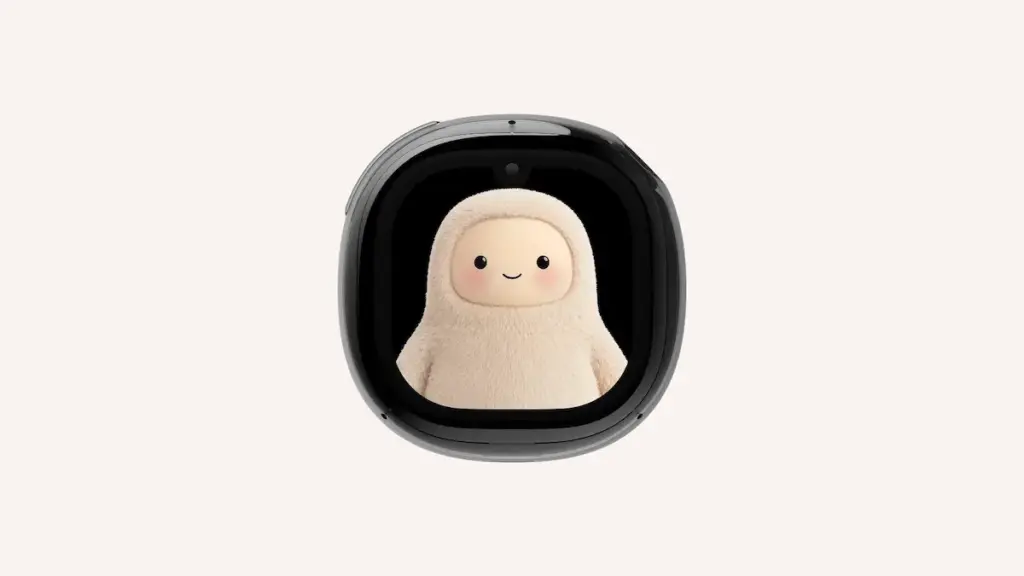
To foster a more personalized user experience, Meta has leaned into the expressive side of its AI, allowing users to customize their Muse avatar. Users have the agency to adjust the AI’s appearance, morphing it into characters that resemble humans, animals, or other creative entities. This customization is part of a larger design philosophy at Meta aimed at making the interaction with AI feel less like a transaction with a database and more like a collaboration with a personalized digital entity.
Despite being a relatively new product in the broader tech market, Meta has demonstrated an intense pace of development, frequently pushing out updates and new capabilities to distinguish Muse from the competition. This urgency reflects the high stakes of the AI race, where companies are incentivized to ship features quickly to maintain user engagement and capture market share.
One of the most notable recent additions to the Muse ecosystem is the introduction of "Spaces." Launched just a few days ago, Spaces provides a structured environment for users to collaborate with their Muse agent. Rather than a general, open-ended chat, Spaces act as dedicated conversation hubs centered around specific topics or projects. Meta describes these as "custom experiences"—essentially mini-apps that are generated on the fly to address a specific user need. These Spaces appear in the sidebar of the Muse interface, allowing the AI to maintain context as it works toward a particular, clearly defined goal on behalf of the user. This feature suggests a shift toward more specialized AI assistance, where the agent moves from being a general-purpose chatbot to a targeted task-runner.
Meta has also been pushing the boundaries of how users interact with their AI through the introduction of video chat functionality. Last week, the company announced that U.S. users can now engage in video conversations with their Muse AI avatar. During these sessions, the avatar utilizes subtle expressions and gestures that mirror the tone and context of the ongoing conversation, creating a more natural and human-like interaction. It is important to clarify that while the avatar is expressive, the system does not actually "see" the user. Muse utilizes audio input to process the conversation, allowing it to respond in real-time without compromising the privacy of the user’s physical environment.
The rapid adoption of Muse suggests that Meta’s strategy is resonating with a wide audience. Shortly after its initial release, Muse achieved a significant milestone by surpassing 10 million downloads in the United States within just 40 days. This performance places Muse in an elite category; only 11 other mobile applications have managed to reach such a high volume of downloads in that timeframe. Meta is no stranger to this kind of rapid growth, having seen its social media platform, Threads, achieve similar momentum following its launch in July 2023.
As Meta continues to layer functionality—from wearable integration to video-based avatars and task-specific Spaces—the company is clearly betting that the future of computing will be defined by intelligent agents that can exist across any device a user happens to be holding or wearing. By focusing on accessibility and the ability to handle complex, multi-step tasks, Meta is attempting to cement Muse as an indispensable tool for personal organization and productivity.
The expansion to Apple Watch and Wear OS is a logical progression for a company that has long sought to dominate the intersection of social networking and personal utility. As the technology continues to mature, the focus for Meta will likely remain on reducing friction in the user experience, ensuring that Muse can assist users whenever they need it, whether they are at their desk, commuting with a phone, or on the move with a smartwatch. For now, the rapid development cycle and the integration of new collaborative features suggest that Meta is far from finished in its efforts to refine what it means to have an AI assistant in one’s pocket—or on one’s wrist.