










For $1,099, consumers have every right to expect a polished, cohesive, and transformative experience. When it comes to the new Xreal Aura, however, the hardware is a marvel of miniaturization that stands in stark contrast to the software platform running it. Xreal, a company that has built a solid reputation on the back of its impressive virtual display glasses, is finally bringing its hardware expertise to the Android XR ecosystem. While the Aura is arguably the most intriguing device to hit the nascent Android XR market yet, it serves as a sobering reminder that even the best hardware cannot compensate for a platform that feels like a work in progress.
Two years have passed since Google first laid out its ambitious vision for an Android XR ecosystem, and one year has elapsed since Samsung’s $1,800 Galaxy XR headset arrived with a thud, failing to capture the public’s imagination. With the Xreal Aura, Google’s latest attempt at mixed reality is finally beginning to feel tangible. As part of a new wave of smart glasses hitting the market this fall—all designed to challenge the dominance of Meta’s popular Ray-Ban smart frames—the Xreal Aura represents the most serious attempt yet at creating a viable alternative to the Apple Vision Pro. Yet, despite its promise, the device remains firmly planted in the "early adopter" category, with its $1,279 retail price (discounted to $1,099 through December) signaling that it is currently intended more for developers and enthusiasts than the average consumer.
The Question of Commitment
The launch of the Xreal Aura raises a familiar, nagging question: Is Google actually committed to this space? Much like the confusing, disjointed rollout of Google’s previous digital initiatives, there is a lack of cohesion here. It has taken years for the company to deliver hardware that is both accessible and wearable, yet the software ecosystem remains profoundly empty. There is a dearth of compelling applications that showcase the true potential of spatial computing. Simply making Google Maps more immersive, while a neat party trick, does not provide a compelling reason for a consumer to invest over a thousand dollars.
The Xreal Aura is significant because it proves that Android XR hardware is more than just vaporware. It is a functional piece of kit that offers a glimpse into what the future of wearable computing might look like, especially as we await further developments from Meta and watch to see how Apple iterates on the Vision Pro. However, until Google demonstrates a genuine, long-term commitment to filling this space with meaningful software, the hardware will continue to struggle to find its footing.
Hardware Design and Technical Specifications
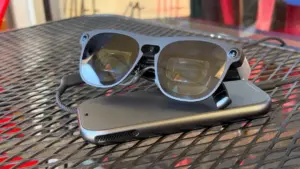
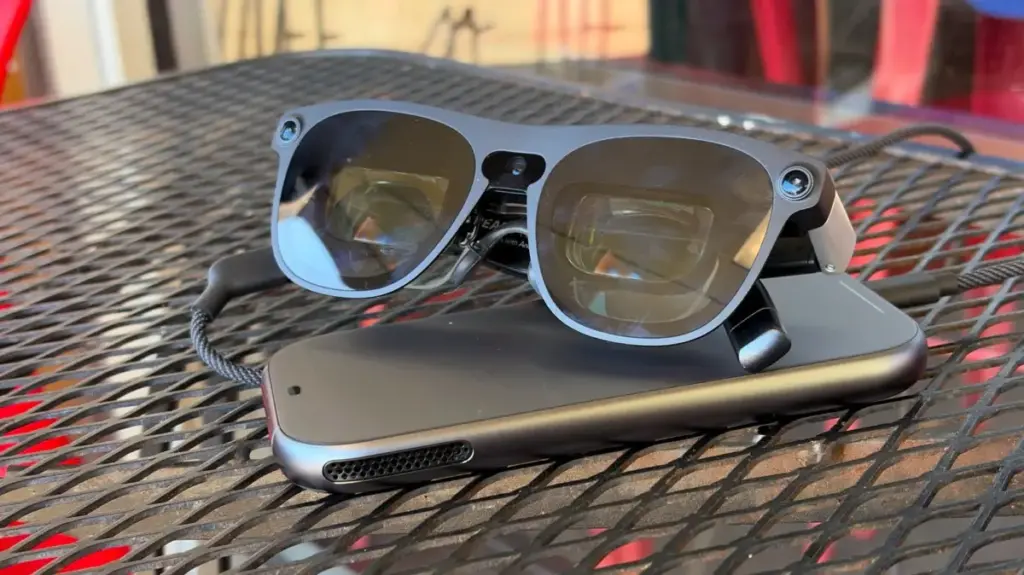
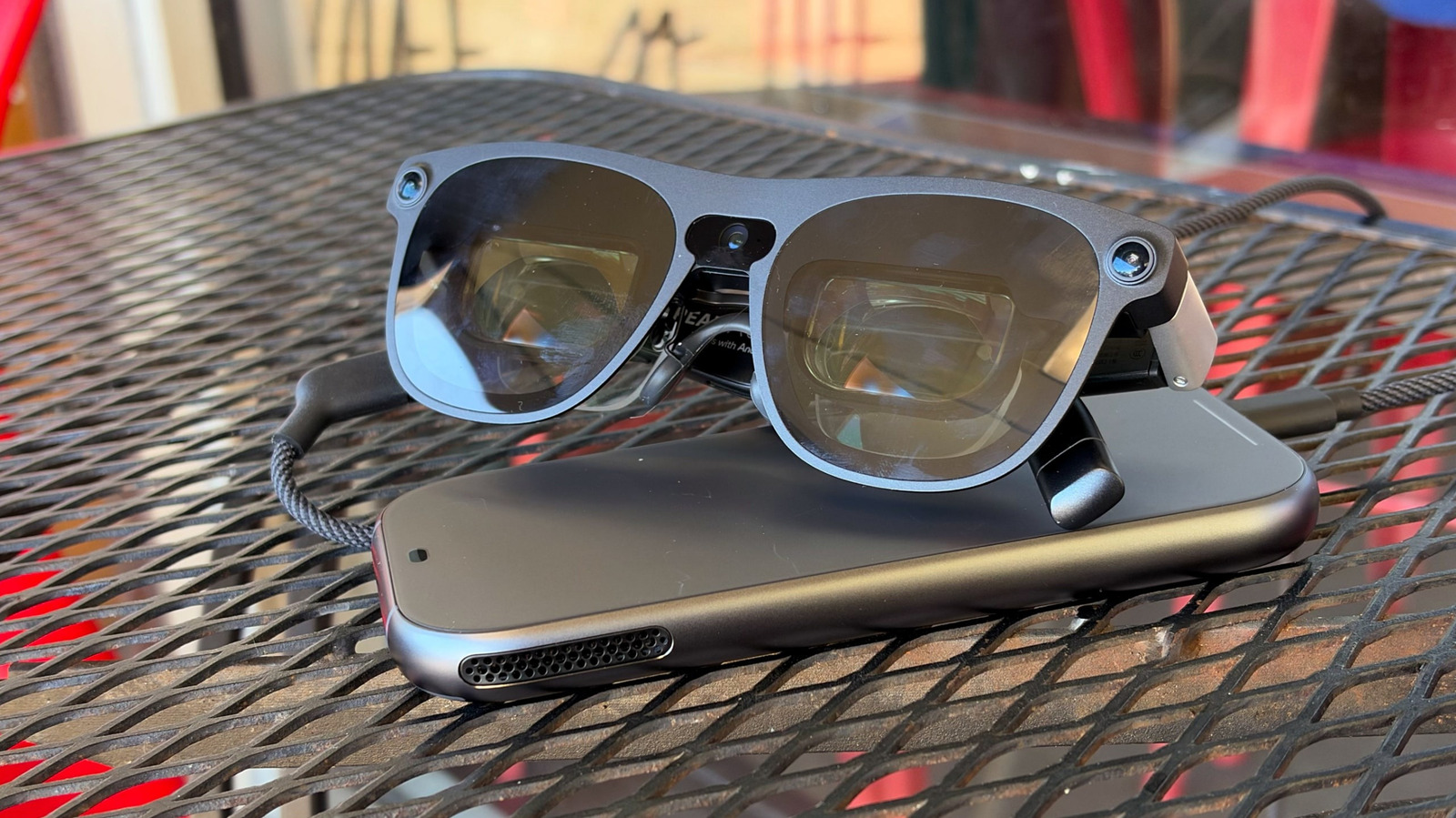
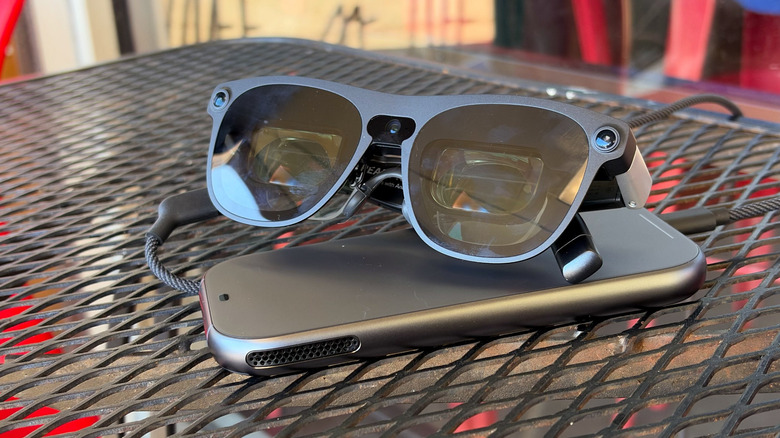
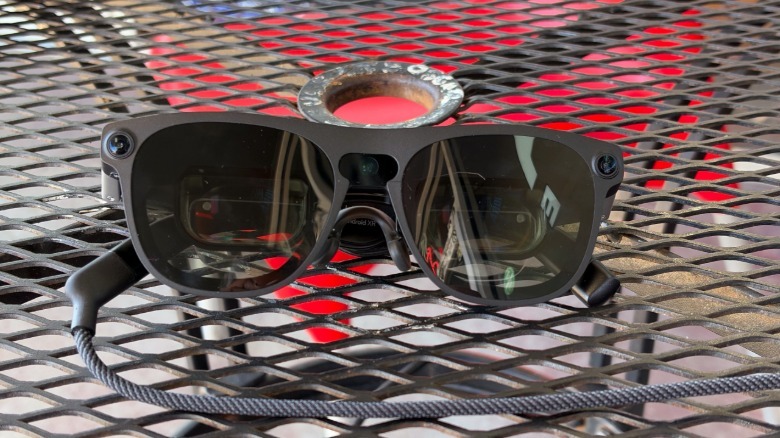
At its core, the Xreal Aura is essentially an evolution of the company’s already excellent display glasses, tethered to a "Compute Puck"—a dedicated external processing unit that houses the hardware required to run the Android XR environment. Visually, the Aura’s frames are remarkably similar to the company’s Xreal One Pro. They are sleek, lightweight, and unobtrusive. The key difference lies in the integration of cameras capable of spatial sensing, finger tracking, and capturing media.
The frames are designed with transparency in mind, allowing the user to remain aware of their physical surroundings without the need for the complex, power-hungry camera pass-through systems found on devices like the Apple Vision Pro or the Galaxy XR. For those who prefer a more isolated experience, the lenses can be darkened, effectively blacking out the world to create a traditional virtual reality headset sensation.
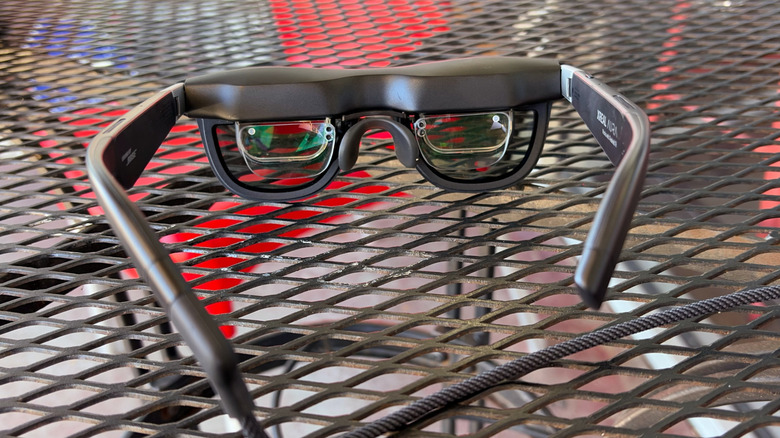
The optical performance is driven by tiny micro-OLED displays, boasting a resolution slightly higher than 1080p (1,920 by 1,200 pixels). While the peak brightness of 1,058 nits is slightly lower than the 1,200 nits found on the newer Xreal One Pro+, it remains more than sufficient for most indoor and controlled environments. The display supports a 120Hz refresh rate when connected to external hardware, though the Android XR interface itself is locked to 72Hz. Perhaps the most notable hardware limitation is the 70-degree field of view (FOV). While this is the best Xreal has managed to date, it pales in comparison to the 100-degree FOV of the Apple Vision Pro or the 110-degree FOV of the Meta Quest 3. Users accustomed to a fully immersive VR experience will find the Aura’s view more like looking through a window rather than inhabiting a virtual space.
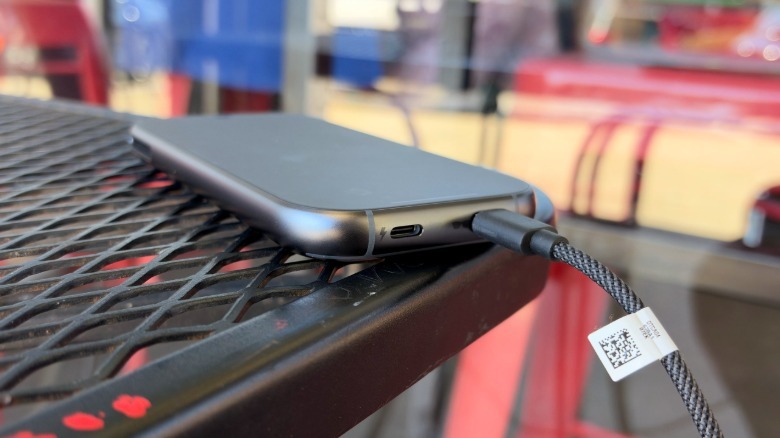
Inside the Compute Puck, users will find a Qualcomm Snapdragon Reality Elite system-on-a-chip, paired with 12GB or 16GB of RAM and up to 512GB of storage. Xreal has also included its custom X1S spatial processor, an upgrade over previous iterations. The puck features dual USB-C ports—one to tether the glasses and another for charging or connecting to external hardware—and a trackpad on the top surface that proves far more reliable than the platform’s gesture-based navigation.
The User Experience: A Solid Foundation with Flawed Execution
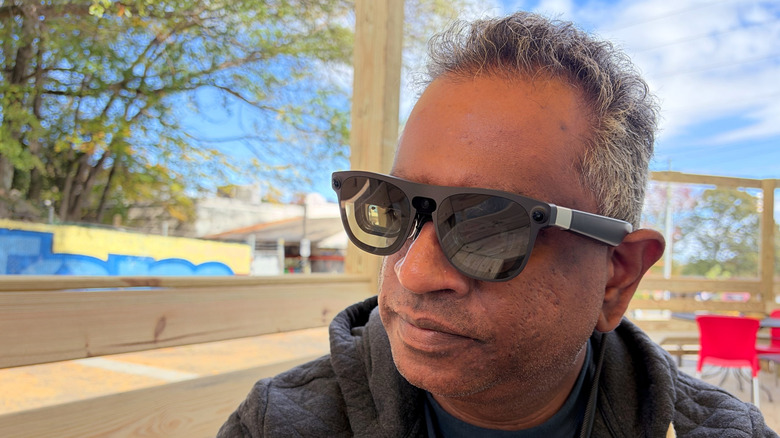
Wearing the Xreal Aura is an exercise in physical comfort. At just 95 grams, the glasses are significantly lighter than the 1.6-pound Vision Pro, making them suitable for longer sessions of media consumption. When used as a virtual display for a laptop or a streaming device, the Aura shines. The visuals are vibrant, the colors are rich, and the integrated speakers provide a surprisingly immersive audio experience.
However, the moment one enters the Android XR interface, the shine begins to wear off. The platform feels like a standard Android operating system shoehorned into a 3D space, showing little evidence that Google has put the necessary effort into rethinking the user interface for spatial computing. Apps crash with frustrating regularity, and the hand-tracking interface is, to put it bluntly, lackluster. The system often struggles to register precise finger movements, making the navigation of web browsers or YouTube a chore.
This lack of precision is especially problematic in gaming. Titles like Cubism, which require the placement of 3D objects with specific spatial accuracy, become an exercise in patience rather than fun. Because the device lacks the sophisticated eye-tracking found on more expensive headsets, users are forced to rely on a "point and click" method that quickly leads to fatigue. Consequently, I found myself defaulting to the Compute Puck’s trackpad, which defeats the purpose of a device marketed as a "spatial" experience.
Furthermore, the lack of third-party app support is glaring. Entertainment giants like Netflix are entirely absent, and Disney+ support is non-existent, forcing users to rely on the browser for a sub-optimal viewing experience. This is a stark contrast to Meta’s approach, where 3D movie support is being actively integrated across their platform. Even the first-party YouTube app feels like a relic, pushing 360-degree content that is often blurry and low-resolution, failing to offer the high-fidelity 180-degree 3D video content that is rapidly becoming the industry standard elsewhere.
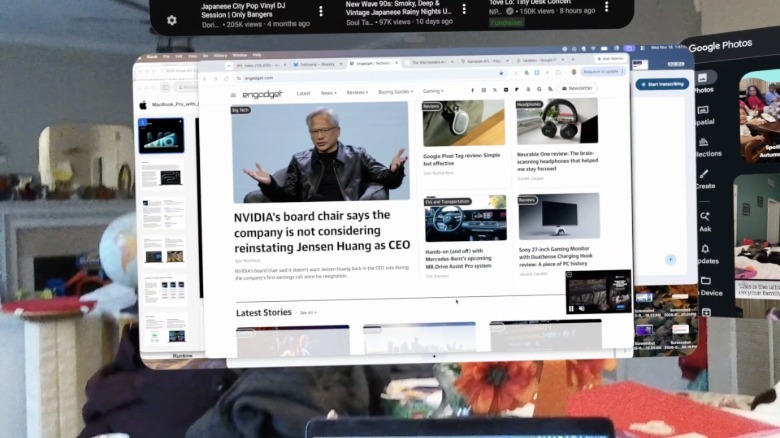
Battery life is another significant hurdle. During my testing, the device dropped from a full charge to 40 percent in just 90 minutes of light usage. The Compute Puck also generates a noticeable amount of heat; its internal fan runs frequently and audibly. Xreal’s recommendation to avoid keeping the puck in a pocket or an enclosed space while in use or charging is a major drawback for a device that is meant to be portable. It necessitates carrying a holster or a lanyard, which further complicates the "wearable" nature of the product.
The Verdict: A Bridge Too Far
Ultimately, the Xreal Aura is a device in search of a purpose. Unless you are a developer with a specific need to experiment with the early stages of the Android XR platform, there is simply no compelling reason to purchase the Aura at its current price point. While it is significantly cheaper than the high-end competition, the "savings" are negated by the lack of software support and the uncertainty surrounding Google’s long-term commitment to this ecosystem.
One cannot help but remember the fates of Google Cardboard and Daydream—ambitious projects that were eventually abandoned when they failed to gain sufficient traction. If you are interested in the idea of a virtual, portable display, Xreal’s own non-XR display glasses—like the $600 One+ or the $299 XBX a01+—offer a much more stable and cost-effective experience. They provide the big-screen utility without the baggage of a half-baked, experimental operating system. The Xreal Aura stands as a testament to Xreal’s hardware engineering capabilities, but as a consumer product, it remains a fragile bridge to a future that Google has yet to truly build.