The world of Pokémon Go is expanding once again as the Meteor Pokémon, Minior, finally makes its long-awaited debut. Niantic has introduced a unique, real-world-inspired mechanic for the arrival of this celestial creature: players will only be able to encounter Minior during specific “Meteor Shower” events. These rare windows of opportunity require trainers to be vigilant, particularly during the evening hours when the Pokémon is most active, adding a layer of environmental immersion to the game that aligns with the Pokémon’s lore.
The first major opportunity for players to capture Minior is set for October 19–24. During this period, the Pokémon will appear with increased frequency, allowing dedicated trainers to begin filling their Pokédex entries for this fascinating, dual-natured species.
Understanding the Mechanics of the Meteor Pokémon
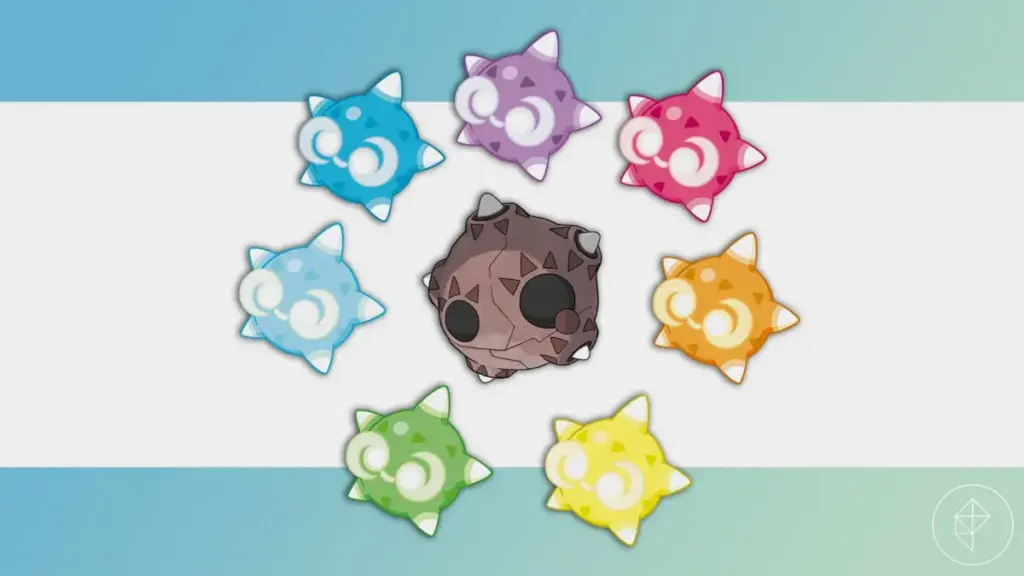
Minior is distinct among the hundreds of creatures currently available in Pokémon Go due to its unique structural biology. In its standard state, the Pokémon is encased in a brown, rocky outer shell—a defensive mechanism that reflects its life as a space-faring organism. However, beneath that unassuming, dusty exterior lies a vibrant, glowing core. These cores come in a variety of colors, adding a collecting challenge for players who wish to gather the full spectrum of the Pokémon’s forms.
The rarity of these encounters is dictated by the game’s new meteor shower event system. Rather than being a permanent fixture in the wild, Minior is tied to the celestial cycles that mirror real-life astronomical phenomena. During these scheduled meteor showers, trainers will notice a significant spike in spawn rates between 5:00 p.m. and 9:00 p.m. local time. By focusing efforts during this golden window each evening, players significantly increase their chances of encountering the Pokémon in the wild.

While the debut of Minior brings excitement to the community, it is worth noting that at this stage, the Pokémon’s elusive “shiny” variant has not yet been introduced. For collectors and shiny hunters, this means there is currently no need to worry about missing out on a rare color variation, though the base forms themselves offer enough aesthetic diversity to keep the community busy.
Strategic Combat and Form Shifting
Beyond its visual appeal, Minior introduces a tactical shift in how players approach combat. The Pokémon features two distinct forms that fundamentally alter its performance in battle. In its default state, known as the Meteor Form, the creature boasts high defensive stats, making it an excellent anchor for soaking up damage. However, the true power of the Pokémon is unleashed when its structural integrity is compromised.
Once a Minior loses 50% of its total HP, its rocky shell shatters, revealing the brilliant, glowing core hidden within. This transition—the "Core Form"—drastically shifts the Pokémon’s stats, prioritizing high attack power at the expense of its previous defensive durability. This high-risk, high-reward mechanic makes Minior a dynamic choice for those who enjoy managing combat momentum.
Currently, this form-changing ability is restricted to specific combat scenarios. Trainers can utilize this unique mechanic when battling in player-versus-player (PvP) matches, during confrontations with Team Go Rocket members, or when testing their mettle against the game’s various team leaders. The ability to switch forms mid-battle allows for nuanced strategies, particularly in leagues where defensive sustain can be traded for offensive pressure at critical moments.

Navigating the Meteor Shower Schedule
For trainers looking to maximize their encounters, organization is key. The event schedule is designed to coincide with specific times of year, and Niantic has indicated that these windows are the only reliable way to track down the creature. Each designated meteor shower event kicks off at 5:00 p.m. on the opening day and runs through to 11:59 p.m. on the final day, local time.
The introduction of this event-based availability serves as a reminder of the game’s commitment to integrating real-world environmental factors into its gameplay loop. By mirroring the unpredictable nature of meteor showers, the developers have successfully turned a routine capture mechanic into a community-wide event that encourages players to check their apps at specific times.
As the community begins to share their experiences and sightings from the October 19–24 event, more details regarding the specific, color-coded cores will likely emerge. While the developers have kept the exact schedule of future color debuts under wraps, the excitement surrounding the initial launch suggests that Minior will remain a highly sought-after Pokémon for the foreseeable future.
For those preparing for the upcoming days, the advice from veteran trainers is clear: keep your notifications on, plan your evening walks around the 5:00 p.m. to 9:00 p.m. peak window, and ensure your inventory is stocked with enough Poké Balls to handle the potential influx of these stellar visitors. Whether you are a competitive battler looking for a new glass cannon or a casual collector hoping to see all the colorful core variations, the next few days mark a significant shift in the Pokémon Go landscape, turning the digital night sky into a hub of activity.