








While the 2020s still have several years remaining, the decade has already cemented itself as a golden era for science fiction cinema. In an age of high-concept storytelling and unprecedented visual fidelity, the genre has found a way to balance the massive scale of interstellar epics with the intimate, often haunting, reflections of the human condition.
The primary catalyst for this resurgence has been the successful translation of dense, literary source material into cinematic milestones. No project exemplifies this better than director Denis Villeneuve’s Dune films. By finally capturing the operatic, political, and ecological scale of Frank Herbert’s seminal 1960s novels, Villeneuve has provided the definitive template for modern big-budget science fiction. While the 2010s may remain the undisputed peak for the superhero sub-genre—thanks to the sheer cultural dominance of the Marvel Cinematic Universe—the 2020s have nonetheless delivered powerful, record-shattering entries such as Deadpool & Wolverine, James Gunn’s Superman, and the latest Spider-Man installments. Yet, beyond the reach of established franchises, original works like Project Hail Mary have proven that science fiction remains one of the most fertile grounds for genuine, high-concept greatness.
A film’s legacy is rarely defined by its visuals alone; the script remains the backbone upon which these sprawling worlds are built. The most enduring science fiction films are often remembered for the moments when the dialogue cuts through the spectacle to touch upon profound truths. As the decade progresses, many of these scripts will undoubtedly be challenged by new voices, but for now, five specific lines of dialogue stand out as the definitive markers of the 2020s.
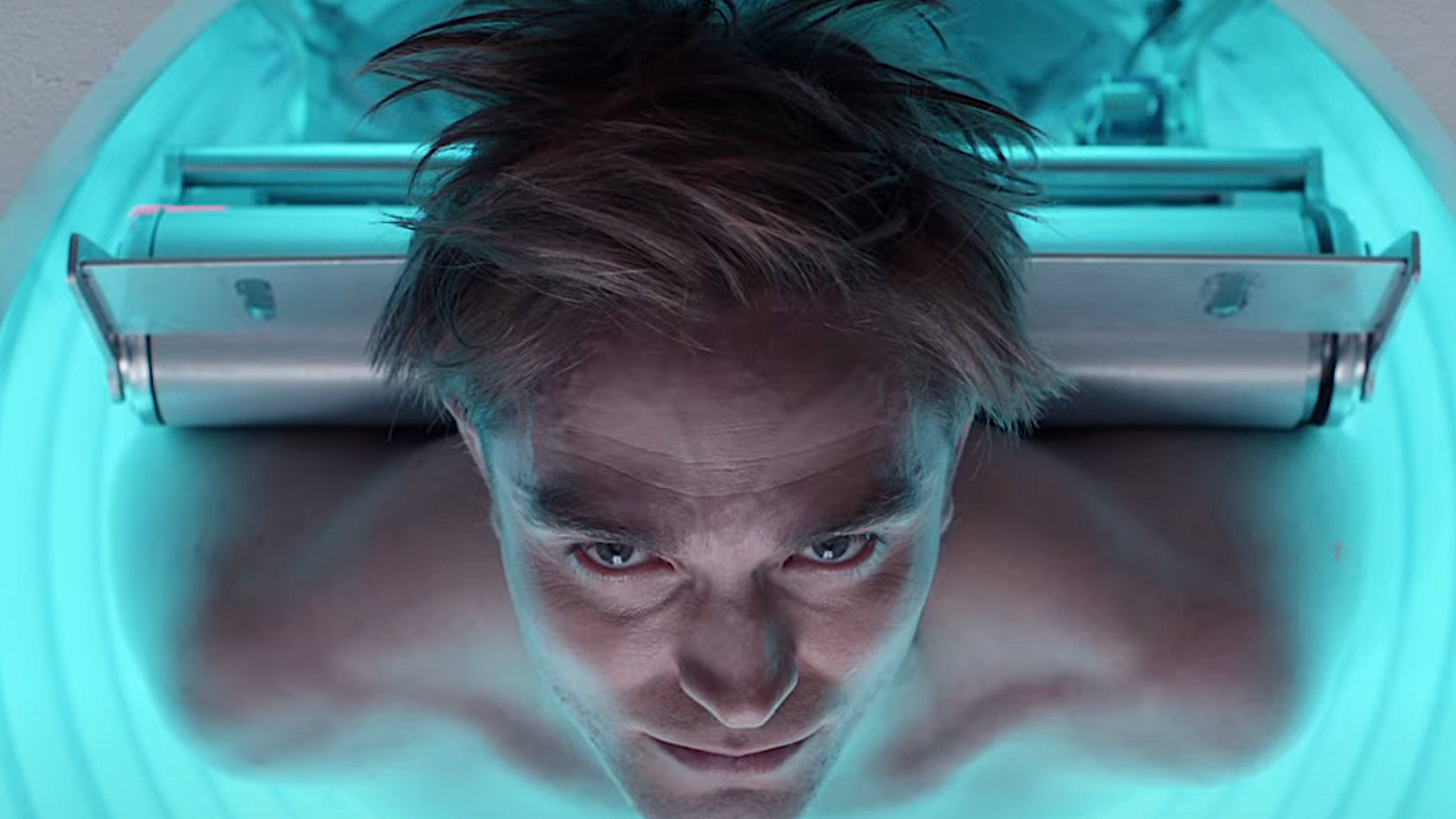
Mickey 17: The Absurdity of the Expendable
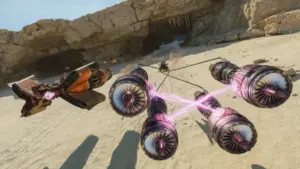
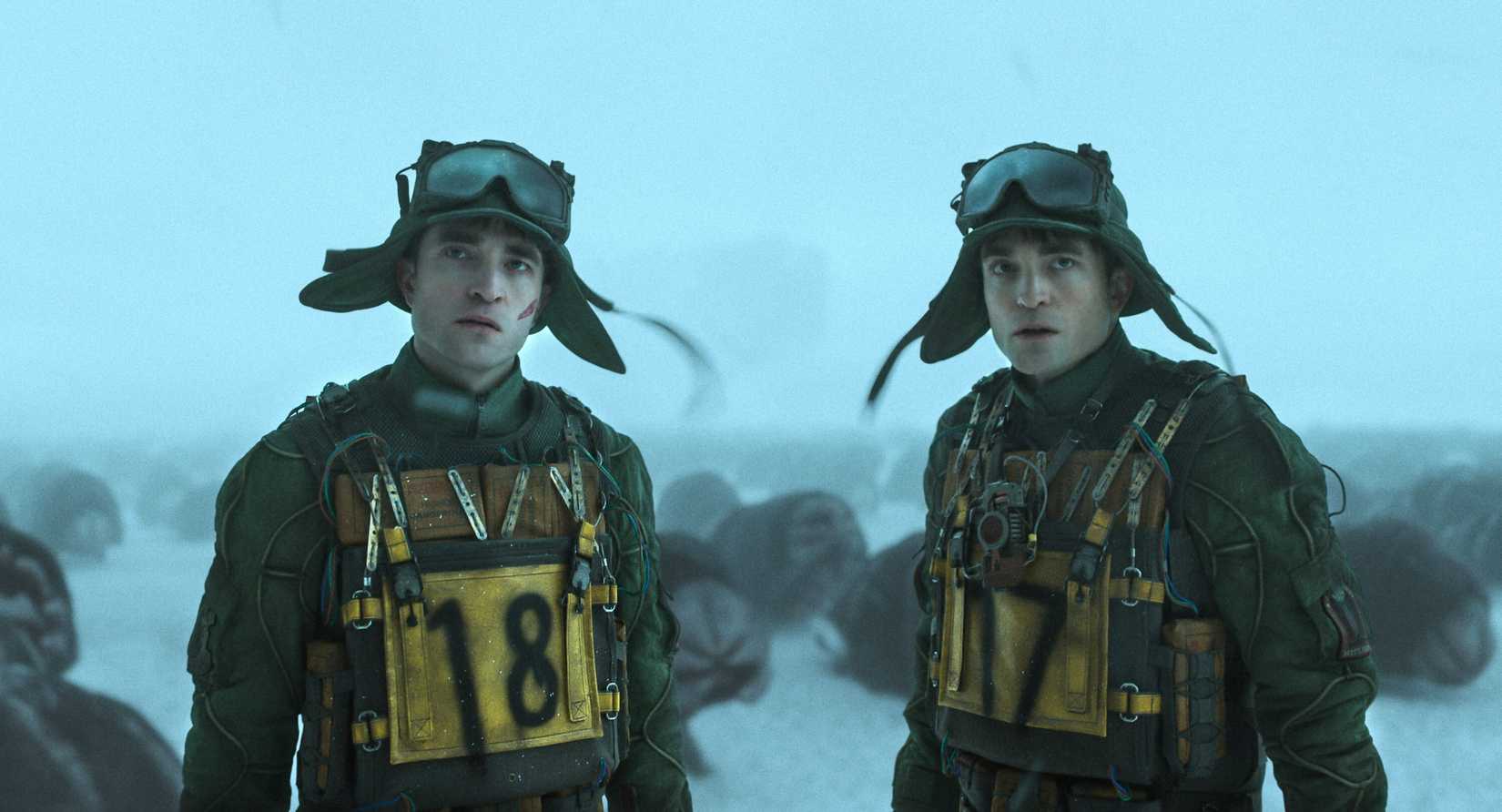
Bong Joon Ho’s 2025 feature Mickey 17 introduced audiences to a darkly comedic, high-concept vision of the future. Set in 2050, the film paints a grim picture of humanity’s expansion into the stars, where the most perilous tasks are relegated to "expendables"—individuals who have consented to a cycle of constant cloning. Should an expendable perish in the line of duty, a new iteration is printed, complete with the memories of their predecessor.
Robert Pattinson anchors the film with a nuanced performance, portraying both the titular Mickey Barnes and his various, often overlapping, clones. The narrative centers on the 17th iteration of the character, exploring the existential dread inherent in a life where death is merely a bureaucratic inconvenience. The film’s most biting, darkly humorous line occurs during a moment of internal narration, delivered by Pattinson with a dry, relatable understatement: "Even on my 17th go-around, I hate dying." It is a line that subverts the trope of the stoic sci-fi protagonist, grounding the absurdity of the premise in a mundane, deeply human annoyance. It is this specific brand of writing that elevates Mickey 17 from a standard genre exercise to a sharp, satirical observation on the value of life.
28 Years Later: The Weight of History
Twenty-three years after Danny Boyle and Alex Garland redefined the zombie genre with 28 Days Later, the duo returned to their fractured world with the 2025 sequel, 28 Years Later. In a landscape saturated with undead cinema, Boyle and Garland managed to find new thematic terrain by introducing Dr. Ian Kelson, portrayed by Ralph Fiennes.
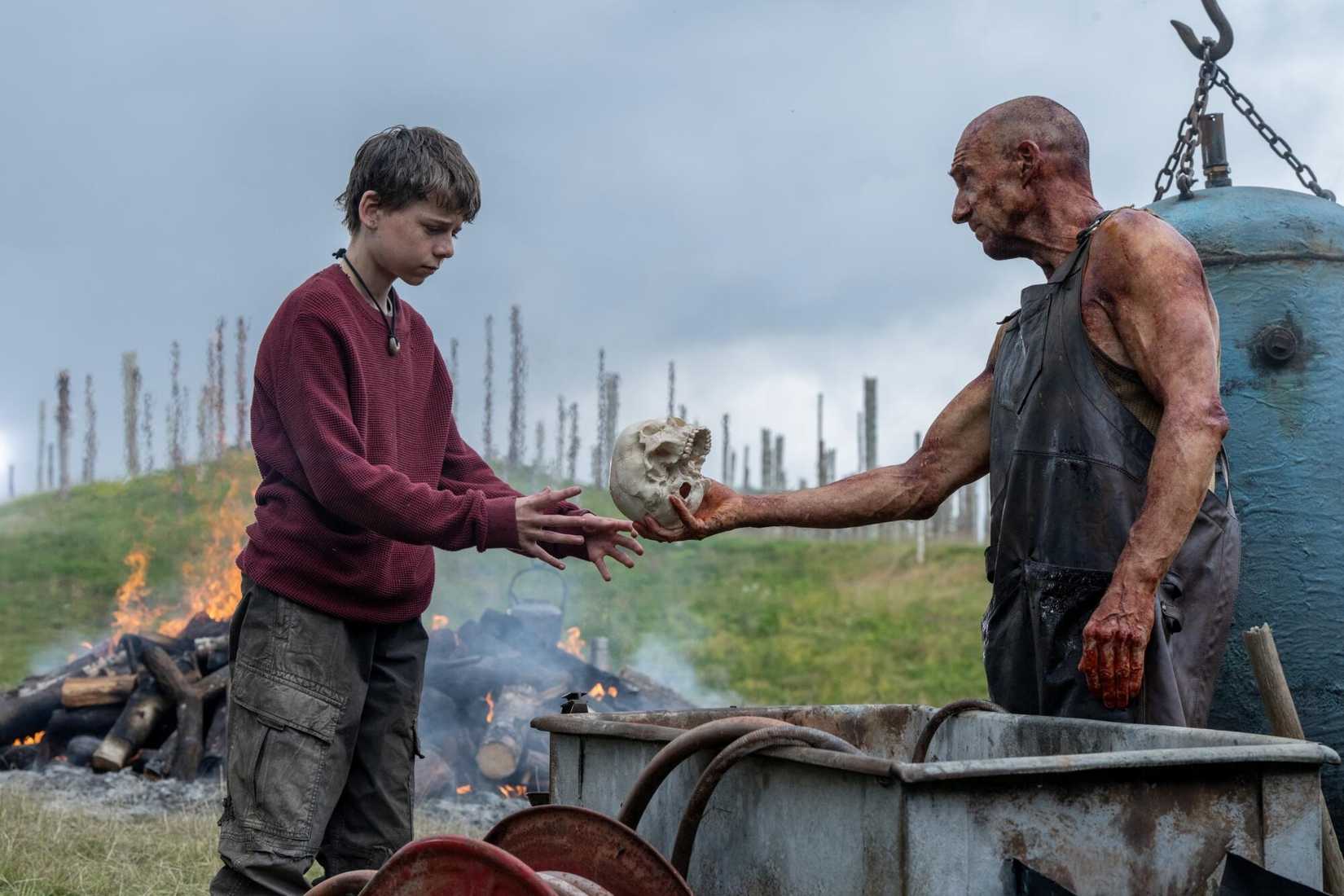
Kelson is a character defined by the silence of the post-apocalyptic world. A former general practitioner who has spent nearly three decades studying the remnants of the rage virus, he resides in a sanctuary of his own making: the Bone Temple. Constructed from thousands of skulls, this morbid installation serves as a stark visual reminder of the sheer scale of the collapse. In a pivotal scene with the young survivor Spike, played by Alfie Williams, Kelson articulates the purpose of his haunting monument. His explanation is almost Shakespearean in its gravity: "There were so many dead, infected and non-infected alike. Because they are alike. Every skull is a set of thoughts. These sockets saw and these jaws spoke and swallowed. This is a monument to them, a temple." The line serves to bridge the gap between the chaos of the outbreak and the profound, shared humanity of those who were lost.
Superman: Restoring the Man of Steel’s Optimism
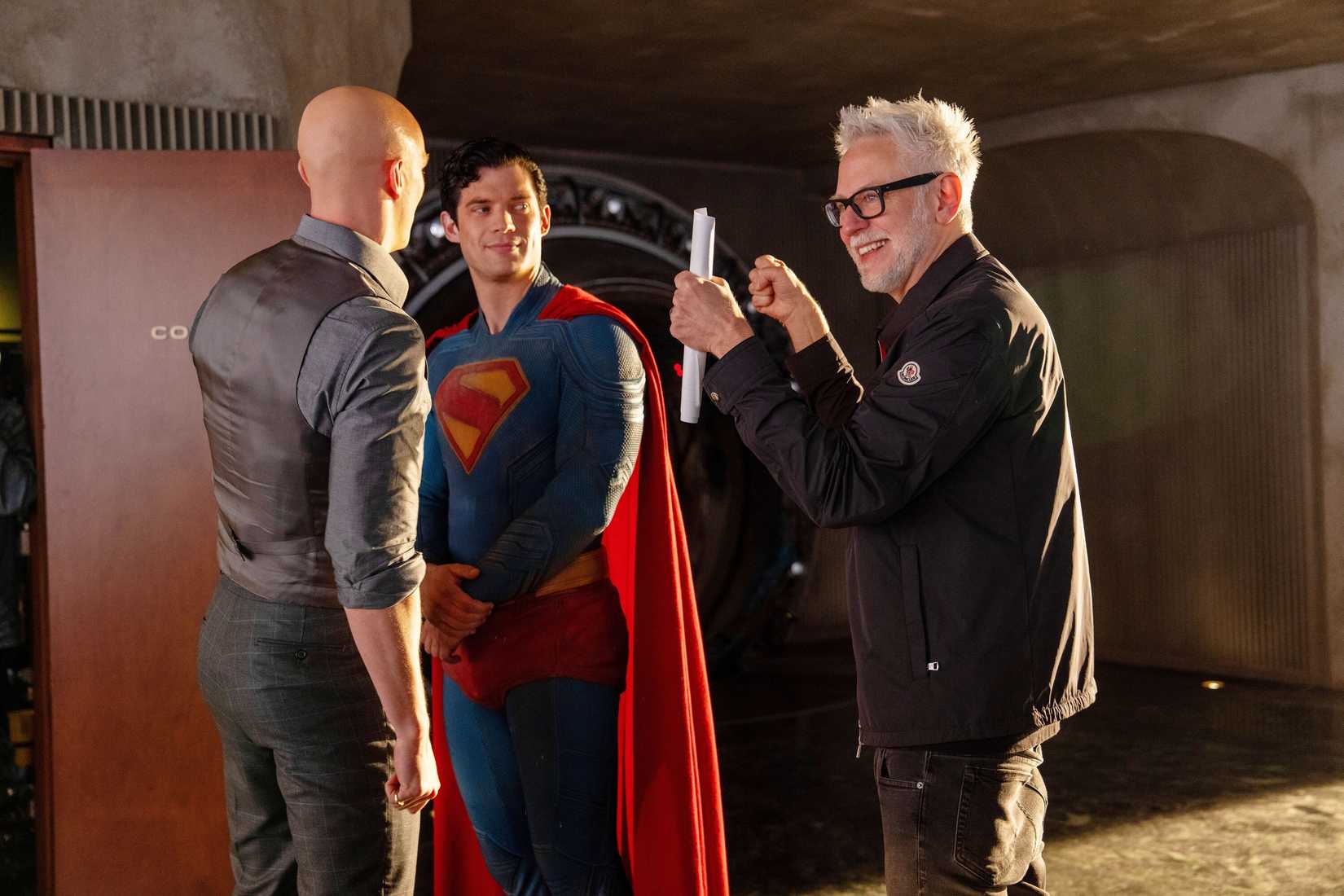
James Gunn’s 2025 Superman served as a necessary corrective to the cynical interpretations of the character that had permeated the industry for years. With David Corenswet in the lead, the film returned to the core of what makes the Man of Steel an enduring icon: his innate goodness and his struggle to balance his immense power with a humble, human heart.
The film’s emotional climax arrives during a confrontation between Superman and Lex Luthor, played by Nicholas Hoult. When Luthor attempts to dismiss the hero as nothing more than a powerful alien, Superman offers a retort that resonates with profound vulnerability. "That is where you’ve always been wrong about me, Lex," he says. "I am as human as anyone. I love, I get scared. I wake up every morning, and despite not knowing what to do, I put one foot in front of the other, and I try to make the best choices I can. I screw up all the time, but that is being human, and that’s my greatest strength. And someday, I hope, for the sake of the world, you understand that it’s yours too." By framing vulnerability as a strength rather than a weakness, the film re-established the hero’s relatability, marking it as one of the most significant character-driven moments of the decade.
Dune: The Litany of Survival
While Denis Villeneuve’s Dune (2021) is a modern triumph, its most famous line of dialogue is a direct inheritance from Frank Herbert’s 1965 source material. Yet, its inclusion in the film—executed with chilling precision by Villeneuve and co-writers Jon Spaihts and Eric Roth—proves that the "Litany Against Fear" remains as potent today as it was half a century ago.
"I must not fear. Fear is the mind-killer. Fear is the little-death that brings total obliteration." This mantra, utilized by the House of Atreides to maintain composure in the face of the brutal, spice-rich desert of Arrakis, acts as a meditative anchor throughout the film. The effectiveness of the line lies in its universality; it serves as both a tactical tool for the characters on screen and a philosophical prompt for the audience. By weaving this ancient literary staple into the fabric of a modern blockbuster, the filmmakers ensured that Dune would stand not just as a visual spectacle, but as an intellectual challenge to the viewer.
Project Hail Mary: The Definition of Bravery
Perhaps the most surprising entry on this list is the quiet, uplifting core of Project Hail Mary. The film follows Ryland Grace, played by Ryan Gosling, a scientist tasked with an impossible mission to save Earth from a solar-consuming virus. Early in his journey, Grace is paralyzed by the enormity of his responsibility, convinced he lacks the fortitude to see the mission through.
In an early exchange with mission commander Yao Li-Jie, played by Ken Leung, Grace admits his perceived inadequacy: "I don’t have the bravery gene that you all have." Yao’s response is simple, direct, and transformative: "It’s not a gene. You just need someone to be brave for." While the line might appear as a simple platitude in isolation, within the context of the film, it serves as the foundation for the entire narrative. It shifts the definition of heroism from an innate, biological trait to a conscious, relational choice. As Grace eventually learns to sacrifice for the sake of all humanity, the memory of Yao’s words becomes the driving force of the story, solidifying its place as the most poignant piece of dialogue of the decade so far.