







Stephen King has spent decades solidifying his status as the undisputed master of literary horror, providing Hollywood with a seemingly bottomless well of stories that have terrified audiences for generations. From supernatural entities lurking in sewers to the quiet, creeping dread of small-town secrets, the author’s bibliography remains the bedrock of the genre. As we navigate the latter half of the 2020s, it is clear that King’s grip on the cultural zeitgeist is as tight as ever, with a fresh wave of adaptations consistently capturing the public’s attention.
The recent success of these projects is undeniable. The latest adaptation of Carrie has already been renewed for a second season following a string of critical acclaim and strong viewership numbers. Similarly, the 2025 release of The Long Walk successfully brought the author’s brutal, dystopian vision to the big screen, reinforcing the appetite for his high-stakes narratives. Furthermore, the industry is buzzing with the ongoing development of a television adaptation of The Dark Tower—a project helmed by Mike Flanagan—and Netflix’s forthcoming revisit to the classic Cujo. These developments confirm a simple truth: despite decades of adaptations, Hollywood is nowhere near running out of Stephen King stories to tell.
However, while these high-profile projects dominate the headlines, the sheer volume of King’s bibliography means that some gems occasionally slip through the cracks of mainstream conversation. It is in this environment of constant content discovery that an older, more understated adaptation is suddenly finding its way back into the spotlight. Secret Window, the 2004 psychological thriller starring Johnny Depp, has re-emerged as a popular choice for home viewers, currently holding the No. 4 spot on the HBO Max movie charts according to recent data from FlixPatrol.

The Premise of ‘Secret Window’
Directed and written by David Koepp—a filmmaker perhaps best known for his work on Stir of Echoes and Panic Room—Secret Window is an adaptation of King’s novella Secret Window, Secret Garden. The film serves as a departure from the more supernatural, monster-heavy tropes often associated with King’s work, opting instead for a grounded, claustrophobic exploration of paranoia and the fragile nature of the human psyche.
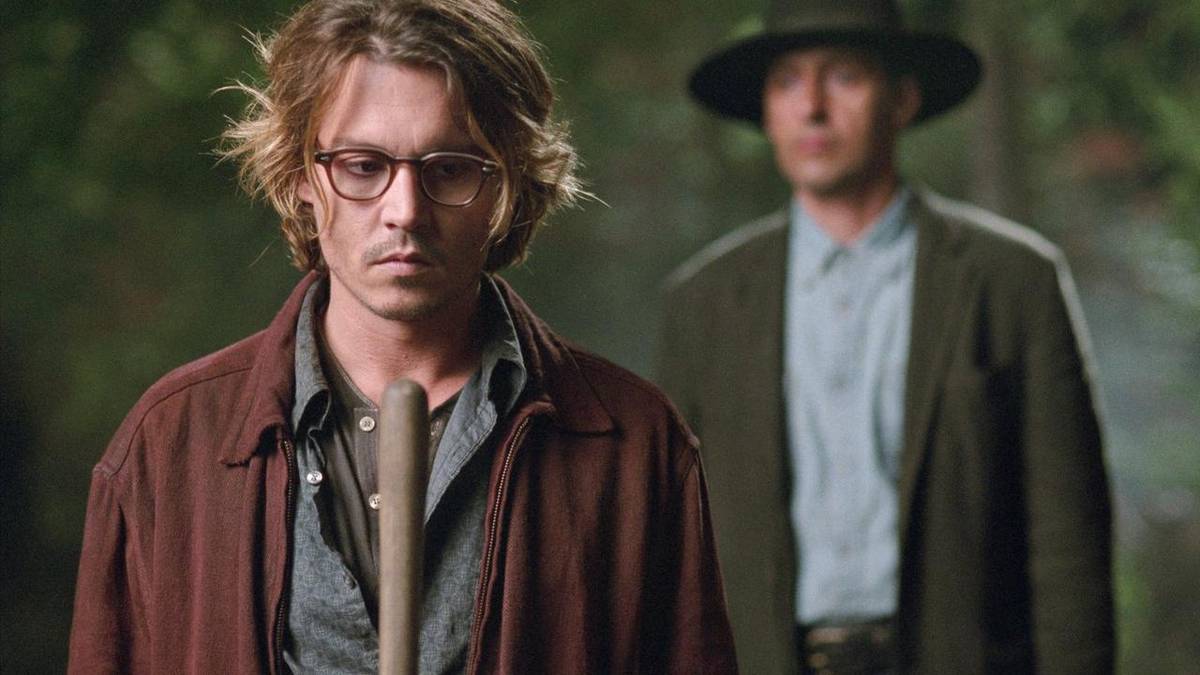
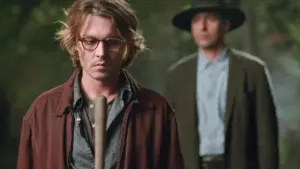
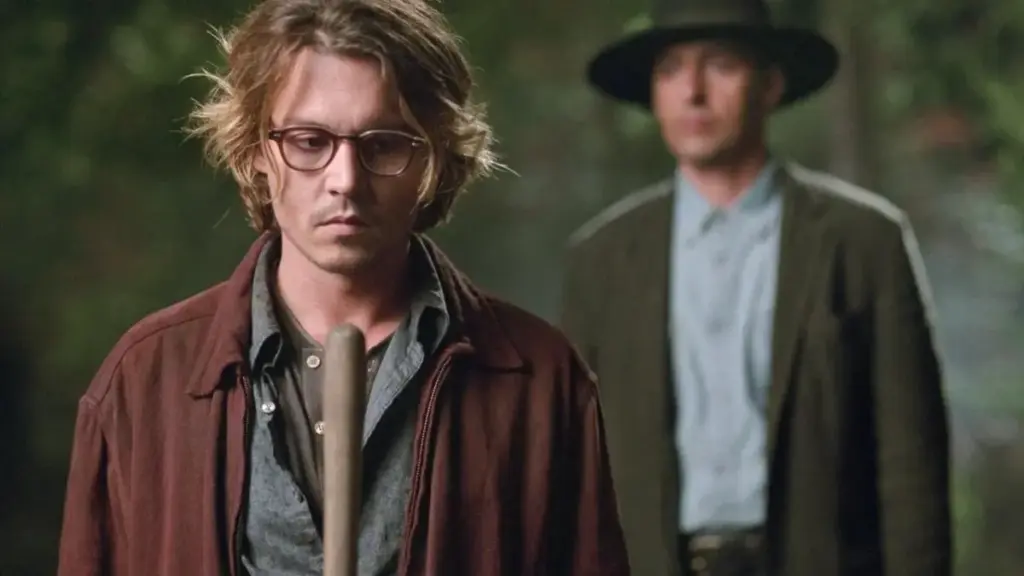
In the film, Johnny Depp portrays Mort Rainey, a once-prolific author who finds himself navigating the wreckage of a messy, agonizing divorce. Seeking an escape from the pressures of his professional and personal life, Mort retreats to a remote, secluded lakeside cabin in upstate New York. His primary goal is simple: to find peace, clear his head, and return to his craft. However, the silence of the woods provides little solace.
The tranquility is shattered by the arrival of a mysterious, menacing stranger named John Shooter, played with a simmering, unpredictable intensity by John Turturro. Shooter arrives at Mort’s doorstep with a bold and chilling accusation: he claims that Mort has plagiarized one of his short stories. Initially, Mort views the encounter as an annoyance, easily dismissing the stranger’s claims as the ramblings of a disturbed individual. But as the narrative progresses, Shooter’s presence becomes increasingly intrusive and dangerous. He does not just want an apology; he demands justice, and his methods of seeking it become progressively more violent and threatening.
A Study in Psychological Tension
What sets Secret Window apart from other King adaptations is its focus on psychological deterioration. Unlike the high-octane terror of It or the cosmic scale of The Dark Tower, the film operates on a much more intimate, internal level. The horror is derived not from a monster under the bed, but from the terrifying realization that one’s own mind may be betraying them.
As the conflict between Mort and Shooter intensifies, the film masterfully utilizes its setting to amplify the sense of isolation. The vast, empty landscape surrounding the lakeside home serves as a perfect mirror for Mort’s fractured mental state. As the incidents surrounding him become more disturbing, the audience—much like Mort himself—is forced to question what is real and what is merely a manifestation of his own guilt and trauma.

The film relies heavily on the performances of its leads to carry this weight. Johnny Depp’s portrayal of a man unraveling is characterized by an unsettled, twitchy energy that keeps the viewer on edge. Opposite him, John Turturro delivers a performance that is profoundly unnerving, providing a perfect foil to Depp’s spiraling protagonist. The chemistry between the two anchors the film, ensuring that even as the plot turns into a game of cat-and-mouse, the viewer remains invested in the mystery of the “secret window” itself.
Critical Reception and Enduring Appeal
Despite its current popularity on streaming platforms, Secret Window has always occupied a complicated space in the broader landscape of Stephen King adaptations. When it was first released in 2004, it was met with mixed reviews from critics. It currently holds a 46% approval rating on Rotten Tomatoes, with many professional reviewers at the time acknowledging the strength of the performances while criticizing the film’s pacing and a perceived loss of momentum toward the final act.
However, the audience reception has historically been more favorable, with a 65% score indicating that viewers often find more to appreciate in the film’s atmospheric dread than the critics did upon its initial release. This disparity highlights a common trend in the evaluation of King adaptations: while critics often look for structural perfection, audiences are frequently drawn to the specific tone and the "King-esque" feeling of creeping unease that the film successfully cultivates.
The current resurgence of Secret Window suggests that modern audiences are perhaps more receptive to its slow-burn, character-driven style of horror. In an era where psychological thrillers are enjoying a renewed appreciation, the film’s exploration of isolation and the blurring of reality feels particularly relevant. Its rise on the charts proves that while the flashy, large-scale adaptations will always capture the headlines, there is still a significant audience looking for stories that challenge them to look closer at the shadows—and to wonder if the threats we fear most are the ones we bring with us. As it gains traction on streaming, Secret Window stands as a reminder of the versatility of King’s writing, proving that sometimes the most effective horror stories are the ones that happen in the quietest, most secluded places.