









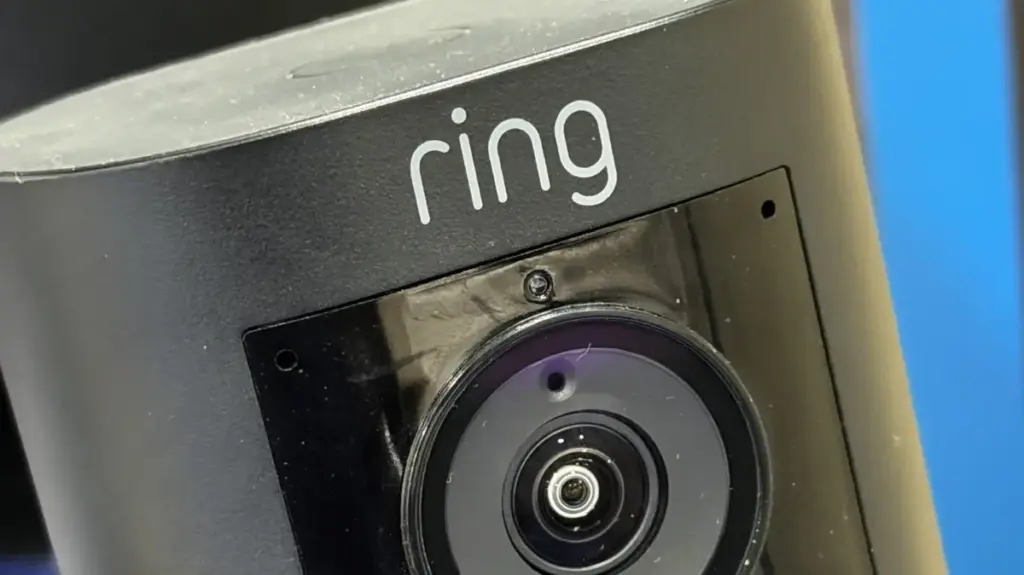
In the modern smart home ecosystem, the promise of convenience often comes with a recurring price tag. From fitness trackers that gatekeep health metrics behind premium tiers to smart bird feeders requiring cloud storage fees, the subscription model has become the industry standard for connected hardware. Ring, the Amazon-owned security giant, is no exception to this trend. With three distinct tiers of subscription plans starting at $4.99 per month, the company encourages users to pay for extended cloud storage and advanced features. However, for many consumers, the question remains: is the hardware actually functional without the ongoing commitment of a monthly fee? The answer is a resounding yes, provided the user understands the distinct boundaries between the free experience and the premium upgrade.
While it is true that unlocking the full suite of Ring’s analytical and archival capabilities requires a paid plan, the fundamental utility of a Ring camera remains intact for those who opt out. Without a subscription, a Ring device functions as a real-time communication and surveillance tool. It is a live intercom system that allows homeowners to monitor their property and interact with visitors, whether they are in the living room or halfway across the globe. For the budget-conscious consumer or those simply wary of "subscription fatigue," the core features of a Ring camera offer a significant level of protection and peace of mind that does not disappear the moment you stop paying the monthly invoice.
The Utility of Real-Time Monitoring for Families and Property
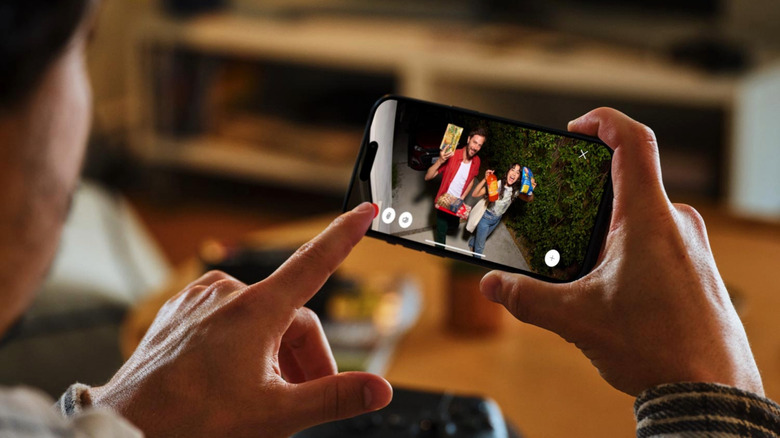
The most immediate benefit of a Ring camera—even on the free tier—is the integration of Two-Way Talk and the Live Feed feature. These are not locked behind a paywall because they represent the essential promise of the device: to bridge the gap between the inside of the home and the world outside. When a visitor approaches your door, the camera alerts your smartphone, allowing you to engage in a conversation before you ever stand up from the couch. This is a practical solution for busy households or those who prefer to vet visitors from a position of security.
The real-world applications for this free, live access are numerous. For homeowners juggling daily maintenance, such as waiting for utility technicians or delivery services, the ability to communicate remotely is invaluable. A user might receive a notification that a technician has arrived while they are still in transit; through the app, they can provide an estimated arrival time or give specific instructions, all without needing to record the interaction for future reference. Similarly, for parents, these cameras serve as a useful tool for monitoring the perimeter of the home or keeping an eye on young children in different rooms. By utilizing the live feed, parents can gain a sense of security and awareness that is often sufficient for day-to-day parenting, without requiring the expense of an enterprise-grade security contract.
The utility extends to pet owners, who frequently use indoor Ring cameras to check in on their animals while at work or running errands. The Two-Way Talk feature allows owners to comfort their pets or address unwanted behavior from afar, transforming the device into a communication tool rather than just a passive recording device. However, this aspect of the product—the observation of pets—has become a point of contention within the broader conversation about privacy. While the functionality is undeniably convenient, it highlights the increasingly blurred lines between a home security system and a personal surveillance network, a subject that has brought significant scrutiny to the company’s practices over the last year.
For those who travel frequently, the free tier provides a consistent baseline for monitoring. If the goal is simply to ensure there is no "funny business" occurring on the porch or to check on the status of incoming packages, the live-view capabilities are more than enough. Yet, the limitations of the free tier become apparent when an incident actually occurs. Without a subscription to store video history, there is no digital record of events. If a package is stolen by a "porch pirate" while you are away and you happen to miss the live notification, the moment is lost forever. For many users, this is the deciding factor: if you have experienced property crime in your neighborhood, the subscription plans—which provide access to saved footage—become a logical investment rather than an optional add-on.
Privacy Concerns and the Evolution of Ring’s Security Standards
While the hardware remains a staple in millions of households, Ring has faced intense public and legal pressure regarding how it handles the vast amounts of data it collects. The conversation surrounding the company’s privacy policies is as active as the debate over its subscription models. Over the past year, the company has been forced to navigate a landscape of widespread skepticism, fueled by both legal challenges and public backlash regarding its data-sharing practices and AI-assisted features.
One of the most significant points of contention involved the "Familiar Faces" feature. Introduced to help cameras recognize frequent visitors, neighbors, and family members, the feature quickly became the subject of a lawsuit. The litigation alleged that Ring and its parent company, Amazon, were harvesting facial recognition data from passersby without their explicit consent or knowledge. For many, this raised fundamental questions about the ethics of domestic surveillance—where does the homeowner’s right to secure their property end and the public’s right to privacy begin?
These concerns were further exacerbated by the company’s marketing efforts. During the most recent Super Bowl, Ring aired a commercial promoting an AI-assisted "Search Party" feature, framed as a helpful tool for finding lost pets. While the premise of reuniting owners with their missing dogs was universally appealing, the underlying technology—a mass-surveillance apparatus capable of scanning neighborhoods—sparked significant debate. Critics argued that such features move beyond the scope of a doorbell camera and into the realm of neighborhood-wide tracking, creating a digital dragnet that many citizens never signed up for.
The scrutiny intensified following a controversial 2025 partnership with Flock Safety. This arrangement permitted law enforcement agencies to request footage from Ring users, creating a direct pipeline between private home security devices and police surveillance networks. The backlash was swift and severe, forcing the company to dismantle the deal just days after the Super Bowl. This rapid retreat underscored the sensitivity of the issue: while consumers want security, they are increasingly wary of becoming involuntary participants in a broader law enforcement network.
In an effort to rebuild trust and address these systemic privacy anxieties, Ring has shifted its messaging toward encryption and user autonomy. The company recently introduced its "TAKE" software update, which stands for "Throw Away the Key Encryption." The update aims to standardize better encryption protocols, ensuring that Ring videos are protected by unique, rotating keys. According to the company, this system is designed to place the power of access solely in the hands of the owner, likening the process to holding the only copy of a house key. By emphasizing that only the user can authorize who views their footage, Ring is attempting to pivot from a model that prioritizes data-sharing to one that prioritizes individual control.
Whether these measures will be enough to quell the ongoing concerns of privacy advocates and users remains to be seen. The core tension remains: Ring provides a powerful, accessible tool for home security that remains functional and useful even without a monthly subscription, but the cost of that convenience is now being weighed against the potential risks to individual and public privacy. For the average user, the decision to subscribe or stick to the free tier is no longer just a financial calculation; it is an assessment of what they are willing to share and how much control they want to retain over the digital footprint created by their own front door. As the smart home industry continues to evolve, the case of Ring serves as a poignant example of the complex relationship between consumer technology, corporate responsibility, and the sanctity of the home.