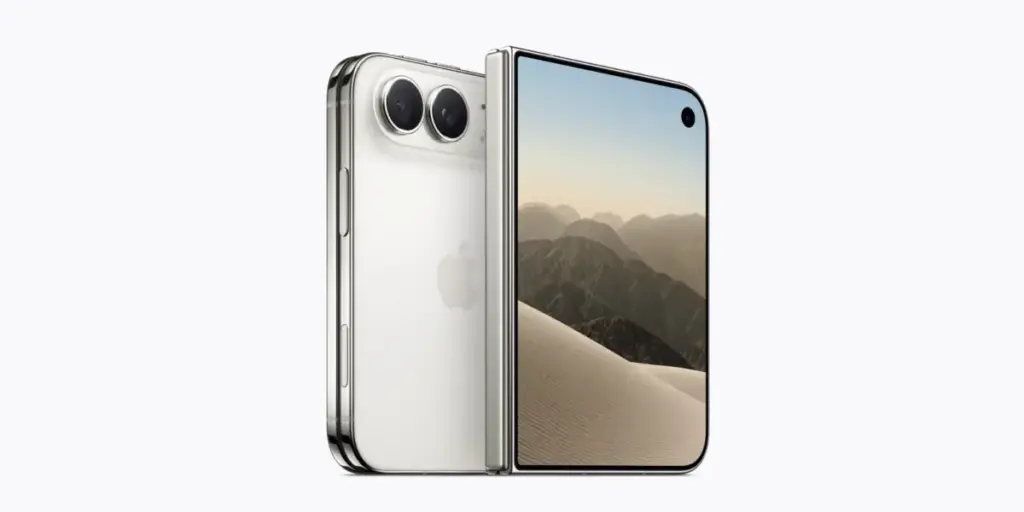
For those hoping to secure the highly anticipated iPhone Duo through a traditional walk-in visit to an Apple Store on launch day, the outlook is increasingly bleak. According to a new report from MacRumors, Apple has issued internal directives to its retail staff, instructing them to proactively warn customers that the device is unlikely to be available for purchase without an existing pre-order. This guidance represents a significant shift in expectations for Apple’s retail operations, which traditionally manage long lines of eager fans on release day.
The current messaging on Apple’s official website invites potential buyers to check back for availability on October 24th—the official launch date. However, internal communications suggest that this placeholder status should not be interpreted as a guarantee of available stock. Retail employees have been explicitly informed that they should discourage customers from visiting brick-and-mortar locations in the hopes of acquiring the device on a whim, as the company anticipates that such attempts will result in disappointment.
This development follows a flurry of activity surrounding the iPhone Duo’s debut. Just yesterday, Apple issued a public statement characterizing the initial pre-order demand for the new handset as "extraordinary." This surge in consumer interest, coupled with well-documented production constraints that have plagued the supply chain for weeks, has created a perfect storm for Apple’s inventory management teams. Industry analysts and supply chain experts had long speculated that the combination of high complexity in the device’s manufacturing and overwhelming market enthusiasm would lead to a severely throttled supply at launch.
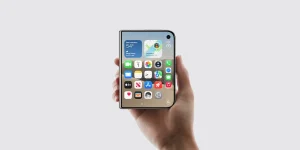
The directive to staff serves as the first definitive confirmation that the "traditional" Apple launch experience—often defined by overnight queues and early-morning store openings—will be fundamentally different this year. Even for the most dedicated consumers who might consider lining up outside a store in the predawn hours, the likelihood of walking away with a new iPhone Duo is slim to none. Reports indicate that many retail locations have been informed they will receive little to no inventory beyond the units specifically allocated for existing pre-order fulfillment.
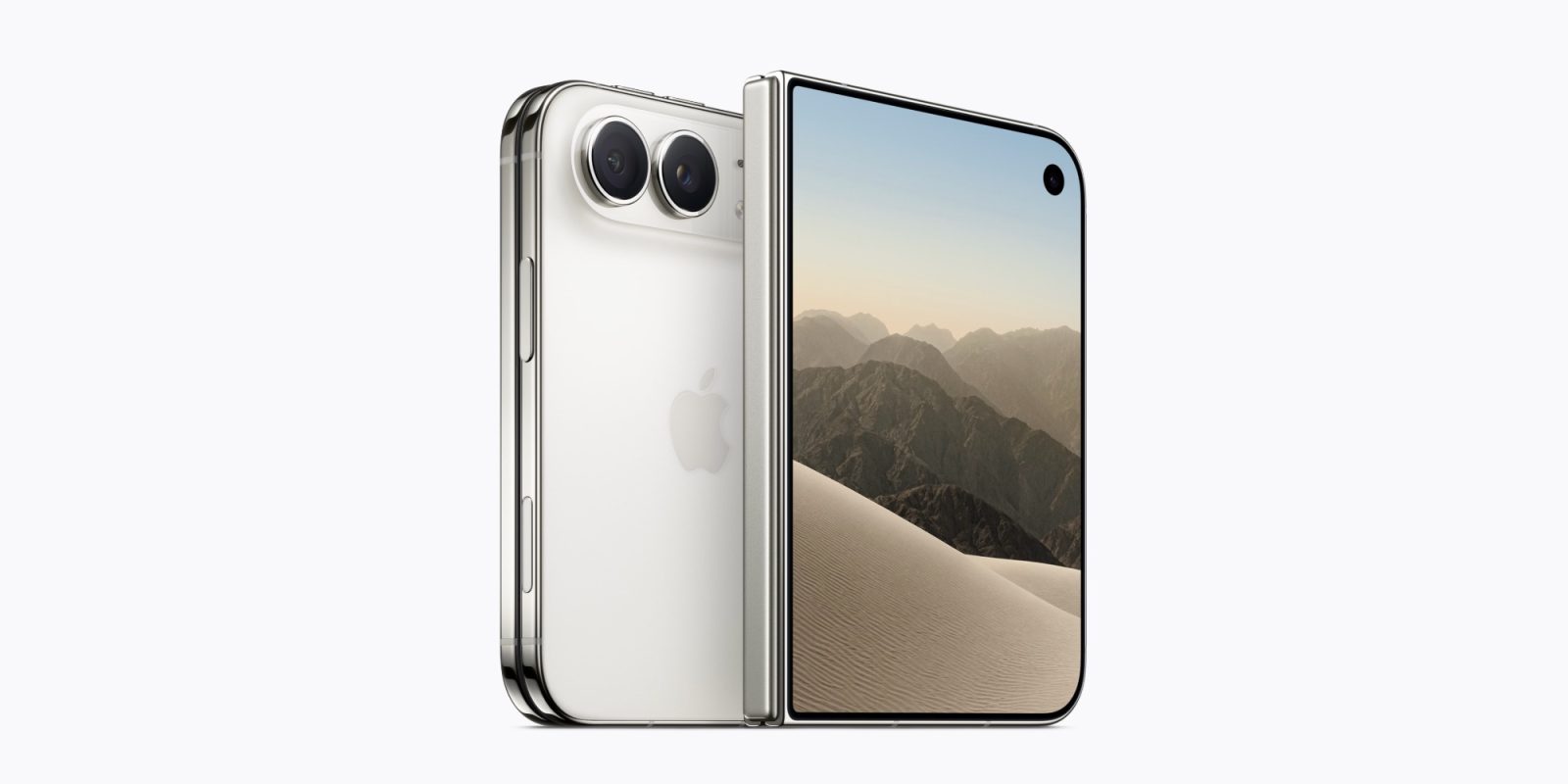
For many, this news is the culmination of a week marked by rapidly shifting shipping estimates and inventory shortages. As of now, the iPhone Duo is effectively sold out through January, meaning that even those willing to order online today face a wait that stretches well into the new year. The scarcity has naturally rippled through the secondary market, where opportunistic scalpers are already listing pre-order slots and early delivery units at significant markups. These predatory pricing strategies highlight the intensity of the current supply-demand imbalance, as consumers desperate to get their hands on the latest technology find themselves competing with automated bots and high-volume resellers.
The situation underscores a broader challenge for Apple: balancing the massive success of its product launches with the reality of global manufacturing limitations. While the company has historically excelled at managing the "hype cycle" surrounding its flagship devices, the iPhone Duo appears to have pushed these systems to their limits. For the consumer, this necessitates a shift in strategy. Those who are determined to acquire an iPhone Duo in the immediate future may find better success by looking beyond Apple’s direct retail channels.
Carriers and major electronics retailers like Best Buy, which operate under different inventory allocation agreements, currently appear to be a more viable route for securing a device. While their stock levels are similarly pressured by the unprecedented demand, these partners often maintain separate supply chains that can occasionally offer a glimmer of hope for buyers who missed the initial window on Apple’s own platform.
The logistical hurdles facing the iPhone Duo launch are emblematic of the current climate in consumer electronics, where a single component bottleneck can derail the availability of a highly anticipated flagship product. Apple’s decision to steer customers away from its retail stores is a rare admission of the severity of these constraints. It is a protective measure intended to manage crowd expectations and prevent the chaos that often accompanies a high-profile, low-supply product launch. By front-loading the message that inventory is unavailable, Apple is attempting to mitigate the frustration of its customer base before they reach the storefront.

As October 24th approaches, the retail environment for Apple will be one of the most closely watched aspects of this launch. The company’s ability to navigate these constraints will likely set the tone for its holiday quarter performance. If the current supply chain issues persist, the company may struggle to satisfy the sheer volume of interest it has generated, potentially leaving millions of potential customers waiting for a restock that may not arrive until early 2027.
For the average user, the takeaway is clear: the era of the spontaneous launch-day purchase for Apple’s latest flagship has, at least for this cycle, been put on pause. The focus for the company has shifted entirely to fulfilling the massive backlog of pre-orders that were placed in the hours immediately following the device’s announcement. With wait times already extending into the early months of next year, the "extraordinary" demand for the iPhone Duo has turned a standard retail release into a significant supply chain test.
Retail staff, meanwhile, are bracing for a busy day. While they have been instructed to discourage walk-ins, the allure of the new device remains powerful. Apple’s clear communication strategy aims to keep the storefronts clear of crowds that would otherwise be left empty-handed. It is a stark reminder that even the world’s most sophisticated supply chain is susceptible to the pressures of global demand when a product captures the public imagination to this extent.
For now, the advice from those on the front lines remains simple: if you don’t have a confirmed pre-order in hand, it is best to avoid the store and look toward alternative channels or simply wait for the supply chain to stabilize in the coming months. The iPhone Duo has undoubtedly arrived as a massive success in terms of consumer interest, but for the average buyer, the path to ownership has become a test of patience and, ultimately, a waiting game.