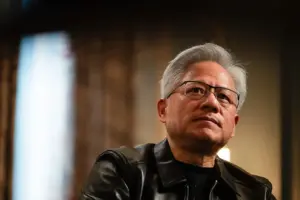










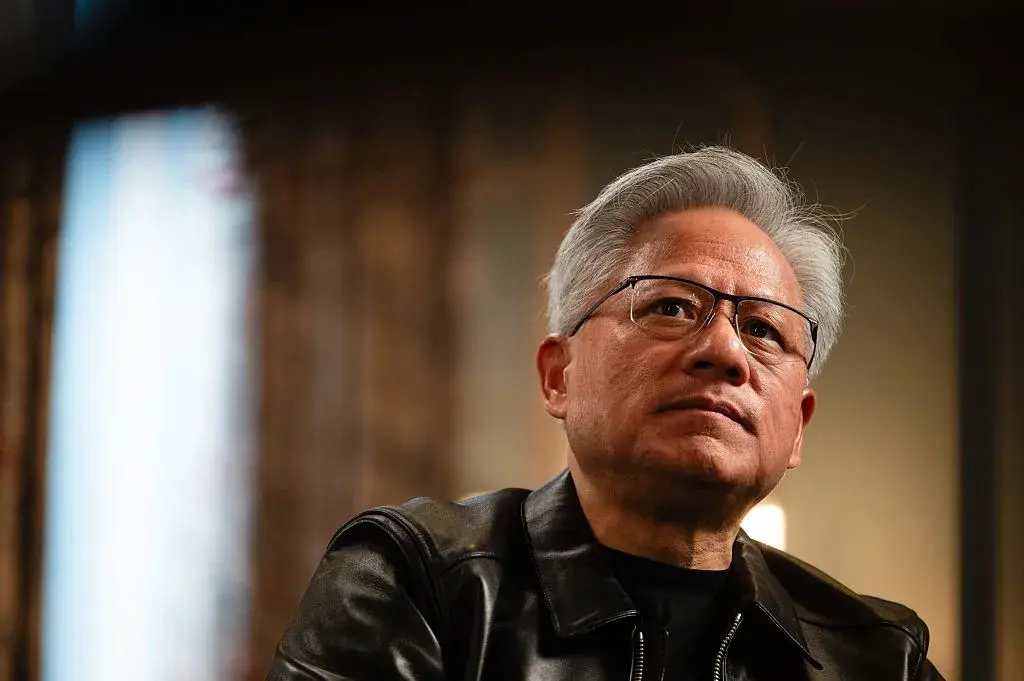
Nvidia CEO Jensen Huang, the face of the global artificial intelligence boom and one of the most powerful figures in the semiconductor industry, is facing intense scrutiny following revelations that he retained a high-profile crisis management firm well before acknowledging a personal relationship with a woman now suspected of espionage.
According to a recent report by Wired, Huang enlisted the services of Heller Inc.—a boutique crisis communications firm renowned for navigating the reputations of powerful men through high-stakes scandals—at least a year before he publicly addressed an extramarital affair with an executive linked to a Chinese-affiliated data center company. The timing of this engagement suggests that the leadership at one of the world’s most valuable technology companies may have been preparing for a significant public relations fallout long before the situation reached its current, volatile state.
The Role of Heller Inc.
Heller Inc., founded by Risa Heller, has carved out a distinct niche in the public relations industry, often serving as the primary shield for prominent figures caught in the crosshairs of professional and personal controversy. Heller’s expertise lies in managing narratives surrounding allegations of sexual misconduct and personal indiscretions, having previously advised figures such as former congressman Anthony Weiner, celebrity chef Mario Batali, and former New Yorker writer Jeffrey Toobin.

The fact that Huang sought out a firm with this specific specialization raises questions about the internal awareness within Nvidia regarding the potential risks associated with the CEO’s private life. Sources familiar with the matter indicated that shortly after an October 2025 New York Times investigation scrutinized whether Nvidia was facilitating the evasion of U.S. chip export restrictions, internal communications protocols at the chip giant shifted. Nvidia’s internal staff were reportedly instructed to copy Heller Inc. on all press inquiries regarding Huang, signaling that the company’s executive leadership was treating the CEO’s public image as a matter of crisis management as early as the autumn of 2025.
The Megaspeed Connection
The scrutiny surrounding Huang centers on the intersection of his personal life and the complex, highly sensitive geopolitical landscape of the global semiconductor market. The October 2025 Times report shed light on Megaspeed, a Singapore-based data center company that had managed to acquire nearly $2 billion worth of high-end Nvidia chips—a transaction that drew immediate alarm from regulators and industry observers concerned about the potential for those assets to be diverted to Chinese interests.
At the center of the investigation was Alice Huang (no relation to Jensen Huang), the CEO of Megaspeed. Public records and photographic evidence surfaced showing the two individuals in close proximity at a high-profile gathering of Nvidia customers in Taipei. This visual association, combined with the suspicious nature of Megaspeed’s rapid acquisition of critical hardware, created a nexus of concern for both Nvidia’s shareholders and U.S. national security officials. The revelation that the two individuals were involved in a personal relationship adds a layer of vulnerability to the company, as it suggests the CEO may have been compromised by an individual acting on behalf of foreign interests.
Nvidia’s Response and Internal Investigation
The situation reached a breaking point this past weekend. On Sunday, November 8, 2026, Nvidia released a formal statement from Jensen Huang acknowledging that he had engaged in an affair with a former executive of Megaspeed. While the statement did not explicitly name Alice Huang, the context of the disclosures left little room for interpretation.

The admission follows weeks of mounting pressure as independent observers and regulators began to piece together the timeline of the Megaspeed transactions and the CEO’s personal ties. In tandem with Huang’s statement, the Nvidia Board of Directors issued a separate announcement confirming that it has launched an independent investigation into the matter.
The board’s language was notably grave. In its official communication, the directors cited credible reports that Huang had been “the target of a foreign intelligence effort.” This framing elevates the issue from a mere personal scandal to a potential national security breach, placing the company in a defensive posture as it attempts to assure investors and government regulators that its proprietary technology and trade secrets remain secure.
Geopolitical and Corporate Implications
The timing of these events comes at a delicate juncture for Nvidia. As the primary supplier of the hardware that powers the world’s leading artificial intelligence models, the company is effectively a central pillar of the modern digital economy. Any suggestion that its leadership could be coerced or compromised by foreign intelligence services has sent shockwaves through the tech sector.
Nvidia’s commitment to an independent investigation is likely intended to satisfy the scrutiny of the U.S. government, which has placed increasingly stringent controls on the export of advanced semiconductors to China. The company has long maintained that it adheres to all export compliance regulations, but the Megaspeed case—and the subsequent revelation of a personal connection between the CEO and a key figure in that firm—undermines the company’s narrative of total control.
As of the latest reports, representatives for both Risa Heller and Nvidia have remained silent, failing to immediately respond to requests for comment regarding the timeline of the PR firm’s engagement or the specific nature of the board’s investigation. For now, the tech industry is waiting to see the extent of the damage. The involvement of a firm like Heller Inc. suggests that the potential for further disclosures remains high, as the company grapples with the fallout of an intersection between high-stakes global politics and the personal failings of its most visible leader.
The investigation into the relationship, and specifically the extent to which sensitive corporate information or strategic decisions may have been influenced by this foreign intelligence effort, is expected to continue in the coming weeks. For investors, the uncertainty regarding the CEO’s future and the integrity of the firm’s decision-making process presents a new and significant risk factor in an already volatile market. With the board of directors now directly involved in the inquiry, the focus has shifted from the personal details of the affair to the broader implications for the company’s governance, compliance, and national security standing.