Mark Wahlberg has spent decades building an expansive portfolio of businesses, from film production companies to fitness brand partnerships. Yet, as he prepares to unveil his latest venture this December, the actor and entrepreneur insists that the project—a massive, tech-forward fitness facility—has sparked a level of enthusiasm he hasn’t felt at any other point in his career. The project, titled Municipal Gym, represents a strategic entry into a booming sector of the economy: the high-stakes, diagnostics-heavy world of longevity and preventative wellness.
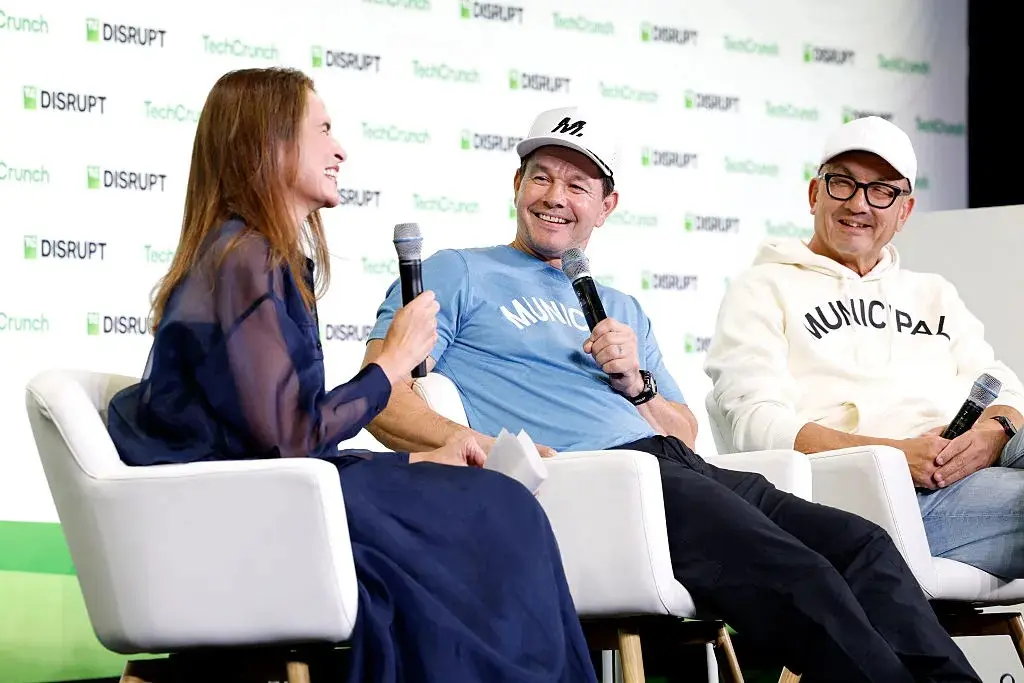
Speaking at TechCrunch Disrupt in San Francisco this past Thursday, Wahlberg provided a detailed look at the 32,000-square-foot facility currently under construction outside of Las Vegas. The club is designed to be a comprehensive hub for health, featuring a suite of advanced offerings including blood work analysis, epigenetic testing, high-end recovery gear, compression therapy, and cold plunges. It will also feature an onsite café serving health-conscious fare like protein muffins.
While the luxury longevity market has become a darling for venture capital, with firms pouring millions into exclusive clubs that cater to the ultra-wealthy, Wahlberg is positioning Municipal as an affordable alternative. He aims to bring the same diagnostic rigor and recovery technology that currently costs elite clients tens of thousands of dollars per year to a more accessible demographic.

This move marks the second phase of a broader business strategy that began seven years ago with the inception of his casual sportswear line, Municipal. The clothing brand faced a difficult baptism by fire, launching during the height of the COVID-19 pandemic. Wahlberg, with characteristic candor, admitted that entering the retail space in 2020 was objectively “not a good idea.” At the time, the retail sector was in freefall, with established household names like J.Crew and Brooks Brothers filing for bankruptcy as lockdowns shuttered commerce worldwide.
The origin of the brand was rooted in Wahlberg’s frustration with the traditional celebrity-ambassador model. Having served as the face of various fitness and lifestyle brands, he found that most companies were interested in the same narrow scope: selling T-shirts and sneakers. Wahlberg felt the industry was missing the bigger picture. He wanted to make a more holistic impact on consumers, touching on every aspect of their lifestyle—what they eat, the supplements they take, the way they train, and the methods they use to recover.
"We figured, okay, we’ll start in the apparel space, and then we’ll build from there," Wahlberg explained. For the actor, the transition from apparel to a physical gym space was a logical, if ambitious, progression. He maintains that he only invests in projects that represent a direct extension of his personal identity and passions.
Despite the notorious difficulty of the fashion industry, where even giants like Lululemon have struggled with significant quality-control issues, Wahlberg remains undeterred. He views the gym as a vital component of his vision for the Municipal brand. Beyond the utility of the workout space, the facility serves as a physical touchpoint, allowing customers to engage with and feel the quality of his apparel line in person. For Wahlberg, the gym is not just a business; it is a manifestation of the "health and wellness ecosystem" he has been building for years.
The timing of this launch coincides with a massive trend toward "longevity centers." Companies like Fountain Life, co-founded by Tony Robbins, have successfully raised tens of millions of dollars to expand facilities that provide diagnostic services at a high premium, with some annual subscriptions reaching upwards of $21,500. Other ventures, such as The Estate—a partnership between Robbins and hospitality executive Sam Nazarian—are planning membership tiers that could reach $35,000 annually. Even established gym chains like Equinox are testing the waters with luxury longevity add-ons costing $36,000.
Wahlberg’s Municipal Gym aims to disrupt this hierarchy. He claims that his facility will offer a comparable level of service and health outcomes at a much lower price point. He pointed to a $99 service package as a prime example, which would include three rounds of blood work and a one-hour consultation with a physician to identify potential health predispositions. Furthermore, the gym is designed to serve as a hub for his other interests, including his own line of supplements. When asked if the gym would essentially double as a retail storefront for his other ventures, he characterized the integration as a "soup to nuts" approach, where everything a member needs to optimize their health is under one roof.
Regarding the scale of his expansion, Wahlberg remains tight-lipped about specific targets, though he describes his growth strategy as "aggressive." He noted that landlords and developers are already competing to host the brand, offering prime locations with favorable terms and significant tenant-improvement allowances.
This is not Wahlberg’s first foray into the fitness industry, and he is well aware of the risks involved. His previous experience with the boutique fitness chain F45, which he became involved with in 2019, served as a stark lesson in market volatility. The actor bought into the company at a $450 million valuation, only to watch as the company faced significant headwinds. Following its public listing in 2021, the company saw its stock price collapse, eventually leading to its delisting from the New York Stock Exchange in 2023.
When reminded of the turbulent history of his F45 investment, Wahlberg joked about the unpredictable nature of the market, acknowledging that he learned valuable lessons from the ordeal. His primary takeaway, he noted, is the necessity of working with partners who share his long-term vision and approach. He also emphasized a strategic shift in philosophy: while F45 catered to the "short on time" crowd, Municipal is designed to encourage members to linger. He expressed a disdain for the common fitness industry model that relies on members signing up but rarely visiting, stating that he wants the gym to be a place where people stay for hours to train, recover, and build community.
The name "Municipal" carries deep personal significance for the actor, who grew up as one of nine children in a low-income household in Boston. His formative years were spent on public basketball courts and golf courses—the original "municipal" spaces that defined his childhood. He credits those experiences on the blacktop with teaching him the fundamental lessons of life: how to win, how to lose, how to compete, and, most importantly, how to get back up after a setback.
These experiences, combined with a tumultuous youth that included legal troubles, have shaped his desire to create an inclusive environment. He speaks openly about the influence of mentors in his life, particularly Father Jim Flavin, a Boston-area priest who has been a guiding force for him since he was 13 years old. Wahlberg hopes the gyms will reflect that spirit of support and community, offering a space where people can work, play, and push themselves to become better versions of themselves.
"I’ve come from next to nothing to being in an amazing position," Wahlberg said. "I try to constantly remind myself that I can inspire other people growing up in similar situations, especially inner-city kids and at-risk youth, that there is a way to overcome your circumstances if you’re willing to go out there and do the work."
Now 55, Wahlberg notes that his personal priorities have shifted. While his earlier years were defined by a focus on aesthetics, his current goal is longevity and vitality. He wants to wake up feeling energized and ready to tackle the demands of his day. Between his upcoming film role as Pete Rose, his support for his daughter’s competitive equestrian career, and the heavy lift of launching a new gym chain, his schedule is packed. While he isn’t actively hunting for new business opportunities at the moment, he remains open to the possibility, noting that if the right project were to present itself, he would be unlikely to turn it down. For now, however, he is focused on the gym, even if he jokes that the slow pace of construction feels like "watching paint dry."