









The open-source Linux ecosystem has welcomed its latest major desktop environment milestone with the official launch of GNOME 44. Code-named "Kuala Lumpur" in honor of the location that hosted the GNOME Asia 2022 conference, the newest iteration of the popular user interface brings a host of visual refinements, under-the-hood performance improvements, and expanded community-driven applications.
To explore what went into shaping this release, Jim Hall recently caught up with members of the GNOME team—including brand manager Caroline Henriksen, developer and release team member Matthias Clasen, and designer Allan Day—to discuss the standout features of GNOME 44, its growing ecosystem of applications, and the vibrant global community that sustains the project.
Fresh Interfaces and Streamlined Settings
For users who boot up their Linux systems every day, visual consistency and modern aesthetics remain critical components of a productive desktop experience. According to the GNOME team, GNOME 44 places a heavy emphasis on making user interfaces look fresh and contemporary, extending well beyond core utilities like the Nautilus file manager and diving deep into the system settings.

Over the course of the latest development cycle, the design and engineering teams invested significant effort into overhauling various Settings panels. Among the most notable updates is the redesigned Mouse and Touchpad panel, which now incorporates intuitive animated illustrations to help users understand and configure their hardware preferences more effectively.
Beyond system preferences, GNOME 44 introduces several quality-of-life enhancements designed to smooth out everyday workflows. Users can now take advantage of a brand-new grid view within the file chooser, making media selection and file management noticeably more efficient. Additionally, the Quick Settings menu has been expanded to include a dedicated Bluetooth menu, allowing users to effortlessly connect and manage wireless devices without navigating through deeply nested menus.
The Expansion and Impact of GNOME Circle
As the GNOME desktop continues to mature, its supporting ecosystem is expanding through initiatives like GNOME Circle. Designed to champion exceptional software built on top of the GNOME platform, the program serves as a formal bridge between independent application developers and the broader GNOME Foundation.
The project team explains that GNOME Circle acts as a structured way to spotlight the absolute best applications utilizing GNOME technologies while offering tangible support to their creators. To earn a spot in the collection, applications must meet rigorous standards of quality and integration. Once accepted, developers receive targeted publicity, official membership in the GNOME Foundation, and access to expanded technical infrastructure and travel sponsorships.
The initiative has enjoyed substantial growth, boasting a catalog of more than 50 applications that span a remarkably diverse range of use cases. Rather than focusing strictly on traditional computing tasks, the GNOME Circle lineup includes unique utilities such as dedicated health trackers, software metronomes, and digital chess clocks, demonstrating the remarkable versatility of the underlying platform.
Global Adoption and the Kuala Lumpur Moniker
With GNOME serving as the default, out-of-the-box desktop environment for several major Linux distributions, the release of GNOME 44 naturally triggers a wave of upstream adoption across the open-source landscape.
Users can expect to see GNOME 44 integrated into upcoming flagship distributions, including the forthcoming Fedora 38 release and Ubuntu 23.04, both slated for rollout. Meanwhile, rolling-release distributions such as openSUSE Tumbleweed and MicroOS have already begun incorporating GNOME 44 builds into their repositories, ensuring that bleeding-edge users can access the latest improvements almost immediately.
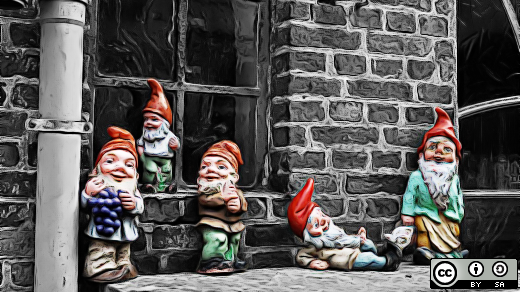
The decision to name GNOME 44 "Kuala Lumpur" reflects a tradition that stretches back several years. GNOME traditionally hosts two major conferences annually: GUADEC in the middle of the year and GNOME Asia toward its conclusion. As a gesture of gratitude to the local organizing teams who dedicate immense time and effort to hosting these events, GNOME releases are named after the city that hosted the most recent gathering.
This naming convention was first established with GNOME 3.18, which was designated "Gothenburg," and continues to honor the global footprint of the project’s contributors and local hosts.
Cultivating an Inclusive and Engaged Community
At its core, GNOME has always operated as a community-driven project defined by collaboration, inclusivity, and shared purpose. The team emphasizes that this participatory ethos is precisely what makes contributing to or using the desktop environment a rewarding experience. Interacting with developers, designers, and users from across the globe to solve common challenges provides an inspiring environment that continually energizes the contributor base.
A key element of maintaining this engagement involves lowering geographical barriers to participation. Last year’s flagship GUADEC conference took place in Guadalajara, Mexico, marking the first time the premier event was hosted outside of Europe. By moving the conference location, the foundation successfully improved accessibility for GNOME users and contributors throughout Latin America.
Beyond its own branded conferences, the GNOME community actively maintains a presence at a wide variety of broader open-source gatherings, including the Linux Application Summit, FOSDEM, and SCaLE. At these events, attendees are encouraged to visit the official GNOME booth to converse directly with developers, designers, and board members.
Getting Involved and Writing Your First App
For individuals inspired to transition from users to active contributors, the GNOME project offers multiple pathways into the ecosystem, ranging from documentation and translation to core software development.
Aspiring application developers can leverage modern tooling and comprehensive documentation to build their first programs with minimal friction. The official developer portal provides dedicated tutorials, including a streamlined guide designed to help newcomers quickly construct their first functional software.
Supported by modern technologies like Flatpak and the GNOME Builder integrated development environment, creating a native application has become remarkably straightforward. Developers can simply launch GNOME Builder, initialize a new project, and immediately begin working within a functional application framework.
For those whose interests lie outside of traditional coding, the community offers ample opportunities to contribute. Beginners often start by participating in discussions on the project’s Discourse instance or filing detailed bug reports. Non-technical contributions remain vital to the ecosystem, with dedicated teams coordinating efforts around user documentation, internationalization and translation, and conference planning.
Contributors with programming experience who are eager to dive into the codebase can browse through designated newcomer tickets on the project’s GitLab instance to find manageable tasks tailored to new participants. Additionally, as a non-profit foundation overseeing an open-source project, financial contributions through regular donations help sustain the infrastructure and power future initiatives for the desktop environment as a whole.