









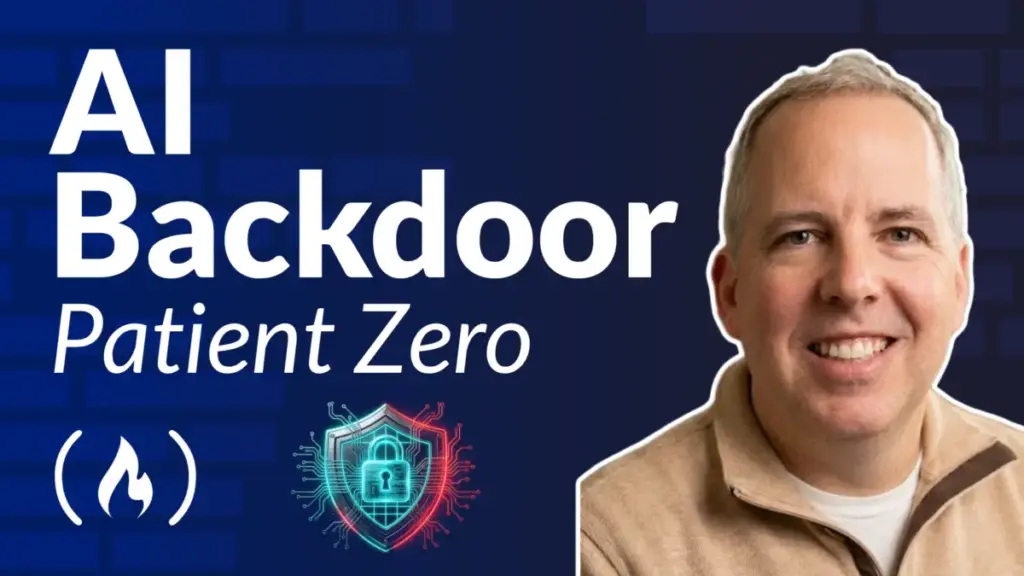
The rapid evolution of artificial intelligence has moved far beyond isolated chat interfaces and static text generation. Modern AI systems are increasingly designed to act as autonomous agents capable of interacting directly with digital environments, software tools, and communication platforms. A critical technological bridge enabling this shift is the Model Context Protocol, commonly known as MCP. While MCP successfully links artificial intelligence agents with external utilities—allowing them to execute tasks such as reading emails, managing communications, and manipulating local environments—this expansive capability introduces severe security vulnerabilities that have begun to concern cybersecurity professionals and developers alike.
To address these escalating risks, freeCodeCamp has announced the release of the Model Context Protocol Security Fundamentals Course, now available on its official YouTube channel. The comprehensive two-hour educational resource is designed to help developers, engineers, and technology enthusiasts understand the architecture of MCP, recognize the distinct security threats associated with its implementation, and adopt best practices for safe deployment.
The introduction of the Model Context Protocol represents a major paradigm shift in how artificial intelligence systems interact with software ecosystems. Traditionally, connecting an AI model to an external data source or application required custom application programming interface integrations, specialized middleware, and extensive manual configuration. MCP standardizes this communication layer, creating an open standard that allows AI models to query databases, interact with file systems, and execute third-party services seamlessly.
However, the openness and flexibility that make MCP powerful also render it uniquely vulnerable. Because the ecosystem relies heavily on open-source contributions—meaning anyone can develop, publish, and distribute an MCP server—integrating third-party components blindly can expose systems to devastating security breaches. Vulnerabilities in a single connected server can potentially grant malicious actors unauthorized access to sensitive user data, corporate networks, or automated workflows managed by the AI agent.
Recognizing the urgent need for standardized security education surrounding these emerging protocols, the newly released freeCodeCamp curriculum aims to demystify the technology and establish rigorous safety standards for developers working at the frontier of AI integration. The two-hour course breaks down complex architectural concepts into digestible segments, covering the foundational mechanics of how MCP operates, the specific vectors through which malicious actors might exploit these connections, and the practical defensive measures engineers must implement before deploying AI agents in production environments.
The release aligns with freeCodeCamp’s broader mission to provide accessible, high-quality technical education to a global audience. As an open-source educational platform, freeCodeCamp has historically focused on helping individuals break into the technology sector, boasting a community where more than 40,000 learners have transitioned into professional developer roles through its curriculum. By turning its attention to advanced AI security topics like MCP, the organization is acknowledging that the skills required of modern developers are shifting rapidly as artificial intelligence becomes deeply embedded in software engineering workflows.
The full two-hour course is currently available for streaming on the freeCodeCamp.org YouTube channel. Industry professionals, software developers, and technology enthusiasts interested in securing their AI integrations can access the video directly online to learn how to harness the capabilities of the Model Context Protocol without compromising system integrity or data security.