










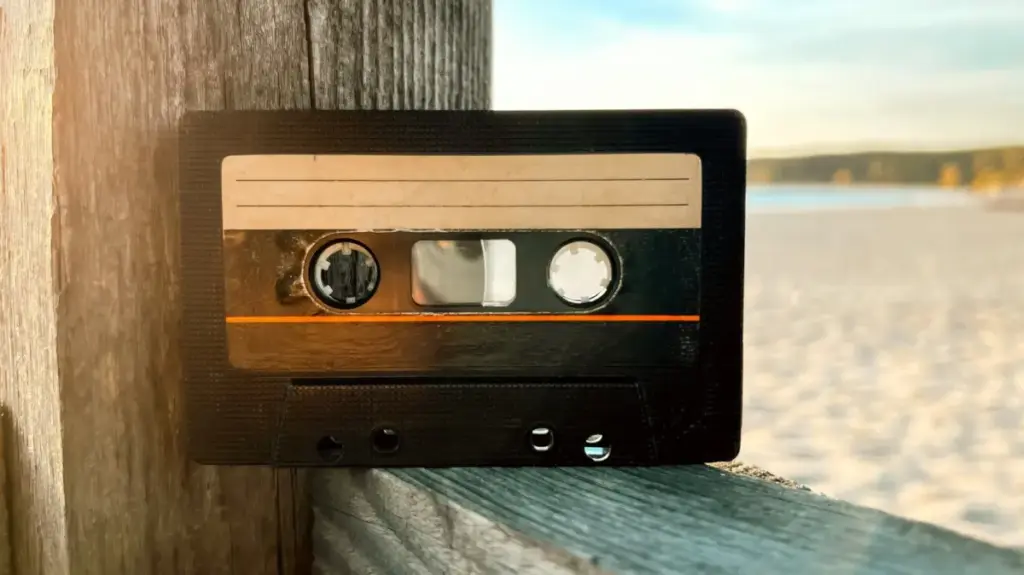
If you grew up during the 1980s or early 1990s, you likely remember the tactile satisfaction of sliding a cassette tape into a deck. Whether it was a store-bought album, a meticulously curated mixtape for a road trip, or a recording of a favorite radio show complete with the DJ’s voice fading in and out, these plastic rectangles were the heartbeat of portable music. However, decades after the compact disc began its ascent and long after streaming services like Spotify revolutionized how we consume audio, those shoeboxes filled with tapes sitting in the attic or the back of a closet are facing a quiet, inevitable crisis.
The question of how long these aging magnetic media formats can actually survive has become increasingly relevant. While many collectors hold onto their tapes with a sense of nostalgic devotion, the reality of physics suggests that these items are not as permanent as we might hope. While the popular consensus often suggests a lifespan of approximately 30 years, this figure is highly dependent on environmental variables. In truth, cassette tapes are fragile, and their internal components—specifically the thin strip of magnetic tape and the chemical binders that hold the audio information—are subject to gradual degradation even under the most favorable conditions.
The Science of Magnetic Decay
To understand why your tapes might be failing, one must look at their construction. A cassette tape consists of two internal reels that feed a thin, polyester-based strip coated with magnetic particles past a playback head. This magnetic coating is held onto the tape by a chemical binder. Over time, this binder can lose its lubrication, leading to a process where the magnetic material begins to flake away from the base, or in more severe cases, the tape itself can become brittle or sticky.

When a cassette is played, the tape slides directly across a magnetic head, which interprets the magnetic patterns on the tape and converts them into the electrical signals that your speakers translate into sound. If the magnetic coating has deteriorated, the audio will be marred by dropouts, hissing, or a muffled quality. If the internal lubrication fails, the tape may bind or snap, potentially damaging both the medium and the playback equipment.
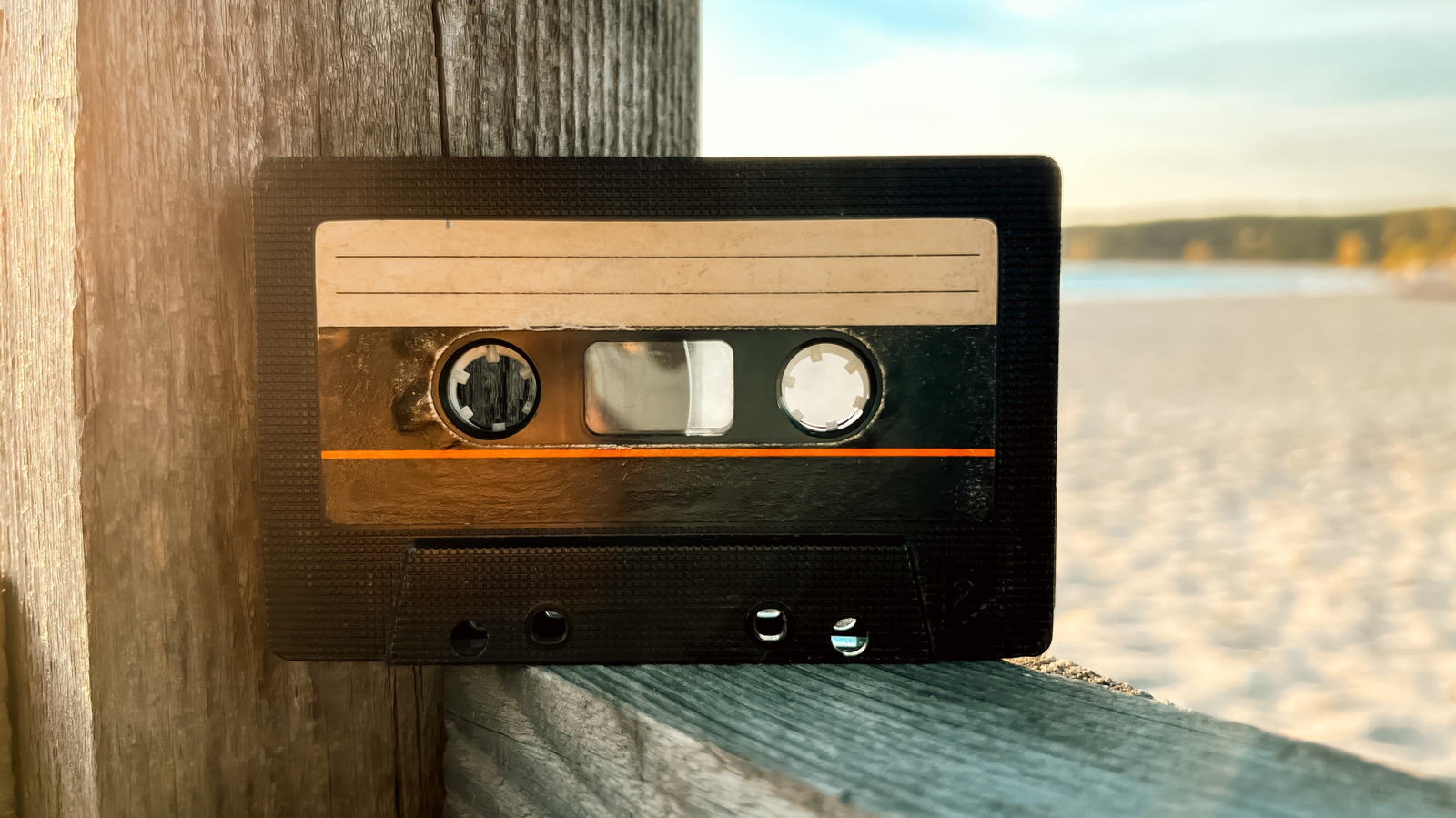
While I personally possess tapes that are well over three decades old and still perform reliably—a testament to the fact that they were likely stored in a stable, climate-controlled environment—this is the exception rather than the rule for many casual collectors. The primary deciding factor for the longevity of your collection is almost entirely predicated on how and where those tapes have been stored since they were last played.
The Critical Importance of Proper Storage and Maintenance
If you are committed to keeping your collection alive, understanding the environmental enemies of magnetic tape is essential. The most significant threats to the lifespan of a cassette are extreme heat, rapid temperature fluctuations, and humidity. Storing tapes in an attic, a basement, or a garage—places where the temperature can swing wildly from freezing cold to sweltering heat—is essentially a death sentence for the magnetic media.
The ideal storage environment for cassette tapes is surprisingly specific: a cool, dry place with a temperature maintained between 59 and 73 degrees Fahrenheit and a relative humidity level between 25 and 55 percent. Excessive humidity is particularly dangerous, as it can encourage mold growth and contribute to the "sticky" binder syndrome, where the tape adheres to itself or the internal mechanism of the cassette shell. Furthermore, tapes should always be kept away from direct sunlight, which can warp the plastic housing, and protected from environmental hazards such as dust, moisture, and, crucially, magnetic fields, which can permanently erase or distort the recorded data.
Beyond passive storage, active maintenance is required to keep a collection viable. Cassette tapes should be kept in their protective cases when not in use. Wiping down the exterior of the shells with a soft cloth to remove accumulated dust and ensuring that the playback heads of your cassette deck are cleaned regularly are vital habits for any collector. Interestingly, it is also recommended to play your tapes periodically. The binder coating can degrade more quickly if the tape remains wound tightly in one position for years without movement.
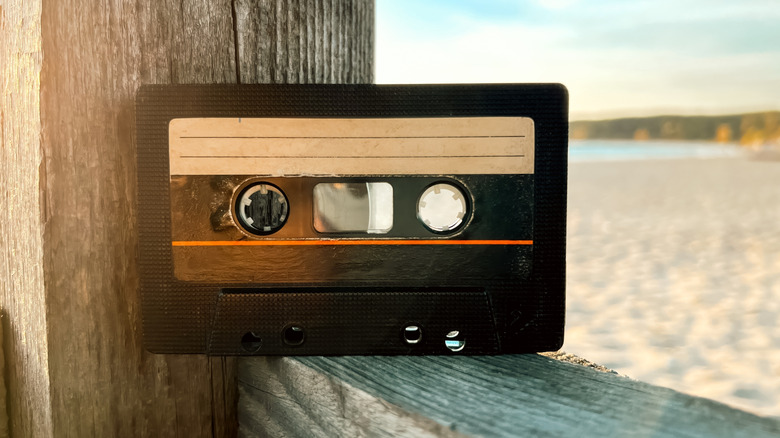
Furthermore, the old mantra from the Blockbuster era, "be kind, rewind," remains highly relevant. When you finish listening to a tape, you should ensure it is fully rewound to the beginning before storing it. This minimizes stress on the tape and ensures it is wound evenly, which prevents the edges of the tape from becoming crinkled or damaged over long periods of inactivity. If possible, avoid using a pencil to manually wind the tape, as this can introduce uneven tension; using the mechanical rewind button of a player is far safer for the long-term structural integrity of the film.
Preserving Nostalgia in a Digital Era
If your goal is to ensure that the music, mixtapes, and personal recordings captured on these cassettes survive for the next century, you may need to look beyond mere physical storage. Digitization has become the most effective way to safeguard these memories. Services are available that specialize in transferring analog tapes to high-quality digital files, or you can perform the task yourself by connecting a reliable cassette deck to a computer and using open-source audio software like Audacity to record and clean up the signal. By moving these audio files into a digital format, you preserve the content indefinitely, protecting it from the inevitable chemical breakdown of the physical tape.
However, for those who prefer the tactile, ritualistic experience of physical media, there is still a future for the cassette. Under ideal conditions, properly maintained tapes can last up to 100 years. As we have seen with the resurgence of vinyl records and the unexpected cultural comeback of the iPod among Gen Z, there is a growing appetite for retro technology. It is entirely possible that cassette players and the tapes themselves will see a renewed interest in the mainstream, potentially driving a market for new, high-quality hardware.
The biggest hurdle for the casual listener today is often finding a way to play their collection. Many of us have long since discarded our bulky 1980s boomboxes in favor of sleek, modern Bluetooth speakers. While the integration of traditional analog playback with modern connectivity is rare, it is not impossible to find. Enthusiasts can still source high-quality vintage players, or invest in new, affordable Walkman-style portable cassette players that allow you to continue enjoying your tapes on the go.
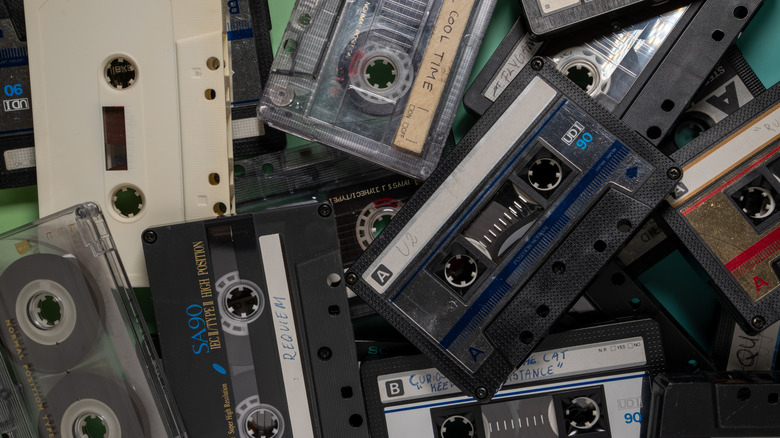
Ultimately, while the medium is inherently finite, your cassette collection does not need to vanish into obscurity. Whether you choose to digitize your library to ensure the longevity of your favorite playlists or commit to the rigorous climate control and maintenance required to keep the physical tapes spinning, the choice is yours. With the right care, these small, plastic symbols of a bygone era can continue to bridge the gap between our past and present, serving as a sonic time capsule for decades to come. Even as technology marches forward, the charm of the cassette—and the memories attached to every "hiss" and "pop" of the magnetic tape—remains a powerful connection to the soundtrack of our lives.